elegiac
adjective elegiac
ˌelɪˈdʒaɪək
relating to a poem or a song that expresses sadness, especially for someone who has died
The poet's elegiac verses moved the audience to tears.
elegiac
ˌelɪˈdʒaɪək
加载中…
ˌelɪˈdʒaɪək
relating to a poem or a song that expresses sadness, especially for someone who has died
The poet's elegiac verses moved the audience to tears.
ˌelɪˈdʒaɪək
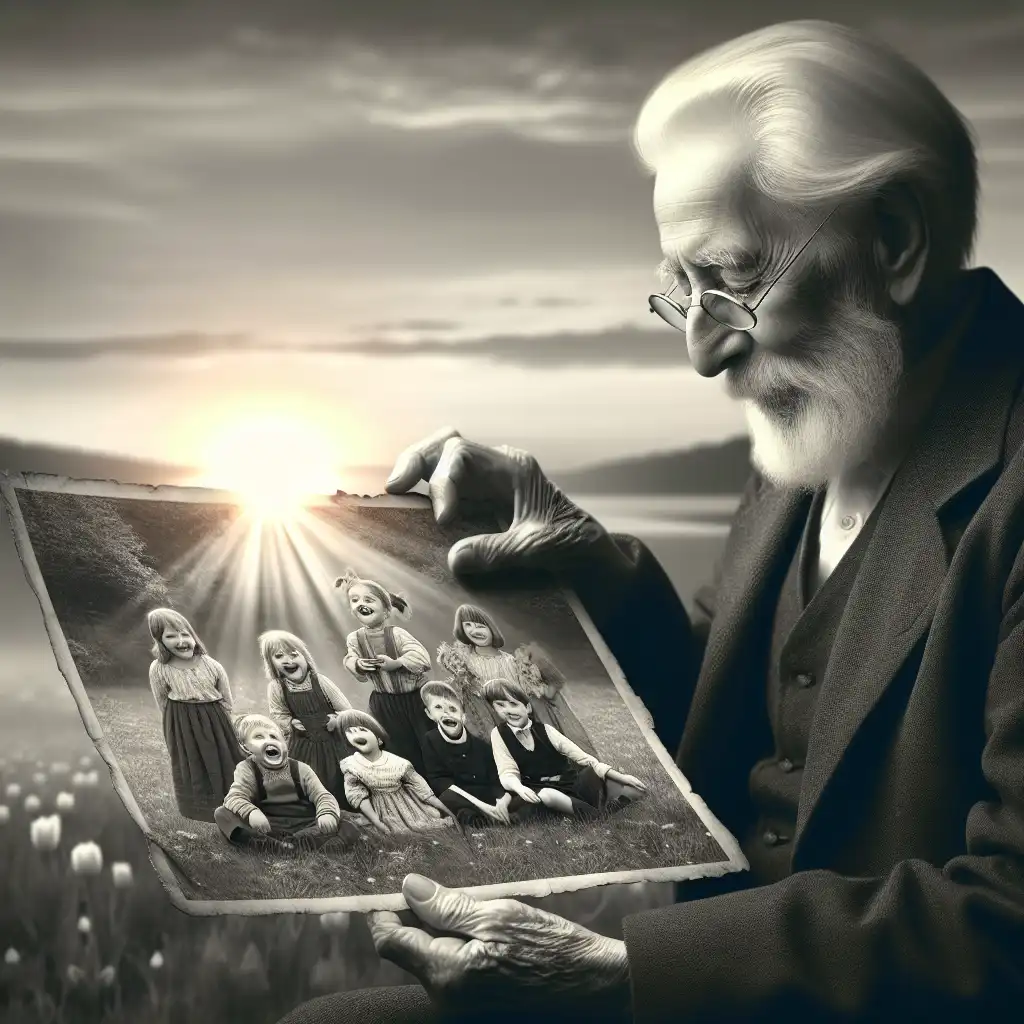
having a quality of sadness and remembering some events from the past
The movie has an elegiac tone to it, reflecting on the innocence and joy of childhood.
音频无法加载,请稍后再试。
The word 'elegiac' is used to describe something or someone that expresses sadness, loss, or mourning. It is often used in literature or poetry to convey a sense of melancholy, grief, or nostalgia. For example, a poem about a deceased loved one may be described as elegiac. It can also be used to describe a somber or mournful tone in music, art, or other forms of expression.
Doleful refers to something that is sad or mournful, often with a sense of despair.
打开单词: Doleful →Funereal describes something that is related to a funeral or has a similar solemn or serious feel.
So, while elegiac might be used to describe a sad song or poem, funereal might be used to describe the atmosphere or decor of a funeral.
打开单词: Funereal →Lament is a noun or a verb that refers to the act of expressing sorrow or grief.
For example, you might say that you are lamenting the loss of a friend or the state of the world today.
Elegiac describes a specific tone of sadness associated with remembering the past, while lament is a verb or a noun that refers to any expression of grief or sorrow.
打开单词: Lament →Melancholic refers to a deeper and more long-lasting feeling of sadness or depression, often without a specific cause or event.
Both words are applicable to different situations, but elegiac is more commonly used to describe a specific moment or event, while melancholic describes an ongoing mood or feeling.
打开单词: Melancholic →Elegiac and mournful are both words used to describe sadness, but elegiac is generally used to describe a type of sadness that is more reflective or contemplative, whereas mournful describes a type of sadness that is more intense and sorrowful.
Elegiac might be used to describe the feeling of sadness one might experience when remembering a loved one who has passed away, whereas mournful might be used to describe the feeling of sadness one might experience at a funeral or other tragic event.
Elegiac connotes more of gentle melancholy, while mournful connotes overt sorrow.
打开单词: Mournful →Plaintive also refers to a feeling of sadness, but it is focused more on expressing a sense of longing or regret.
So, in simple terms, elegiac describes a mournful tone or mood, while plaintive describes a sad or regretful tone of voice.
打开单词: Plaintive →Sorrowful simply means feeling, expressing or showing sadness or grief. It is more general than elegiac and can be applied to any situation where someone experiences a sense of loss or sadness.
Both words can refer to feelings of sadness, but elegiac has a more specific connotation of longing and nostalgia, while sorrowful is a more general expression of sadness or grief.
打开单词: Sorrowful →Because I'm a walker, natural history is my subject; I've always been obsessed with landscape, and I have an elegiac tone in most of my books.
Most people think that a widow is inhabiting some elegiac world of - it's like Mozart's 'Requiem Mass.' You know, it's very beautiful and elevated thoughts and some measure of dignity. I didn't have that experience at all. I had one pratfall after another.
Memory.' 'Race.' 'Murder.' That's what they say about me. I am an elegiac poet. I have some historical questions, and I'm grappling with ways to make sense of history; why it still haunts us in our most intimate relationships with each other, but also in our political decisions.
My books are elegiac in the sense that they're odes to a nation that even I sometimes think may not exist anymore except in my memory and my imagination.
As he enters his final term, with the elegiac music playing out there in the distance, Barack Obama will use the history that he has come to embody and, perhaps, even to fulfill, as part of a larger project that never will be completed but only finished, over and over again.