tonality
noun tonality
təʊˈnæləti
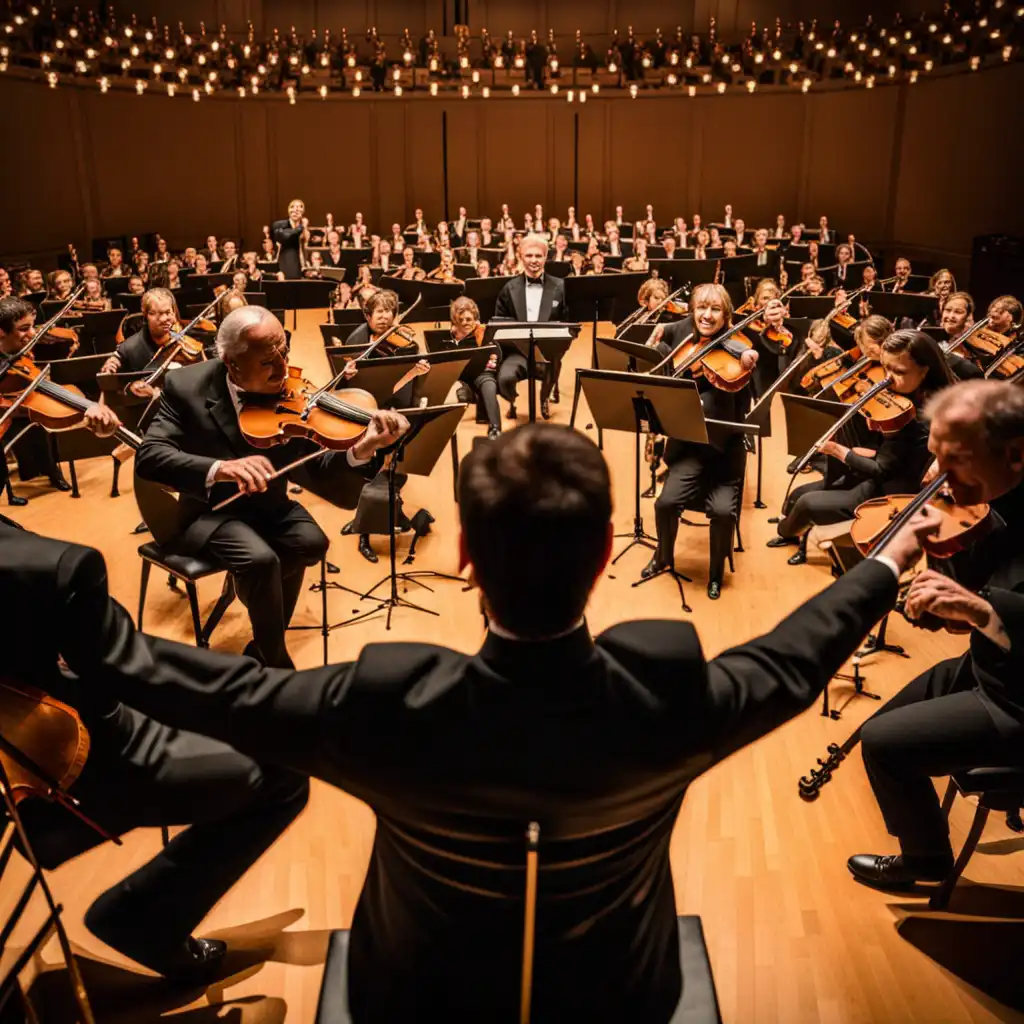
The character of a piece of music determined by the key in which it's written or played
The tonality of the symphony was major, making the piece sound happy and alive.
tonality
təʊˈnæləti
Đang tải…
təʊˈnæləti
The character of a piece of music determined by the key in which it's written or played
The tonality of the symphony was major, making the piece sound happy and alive.
təʊˈnæləti
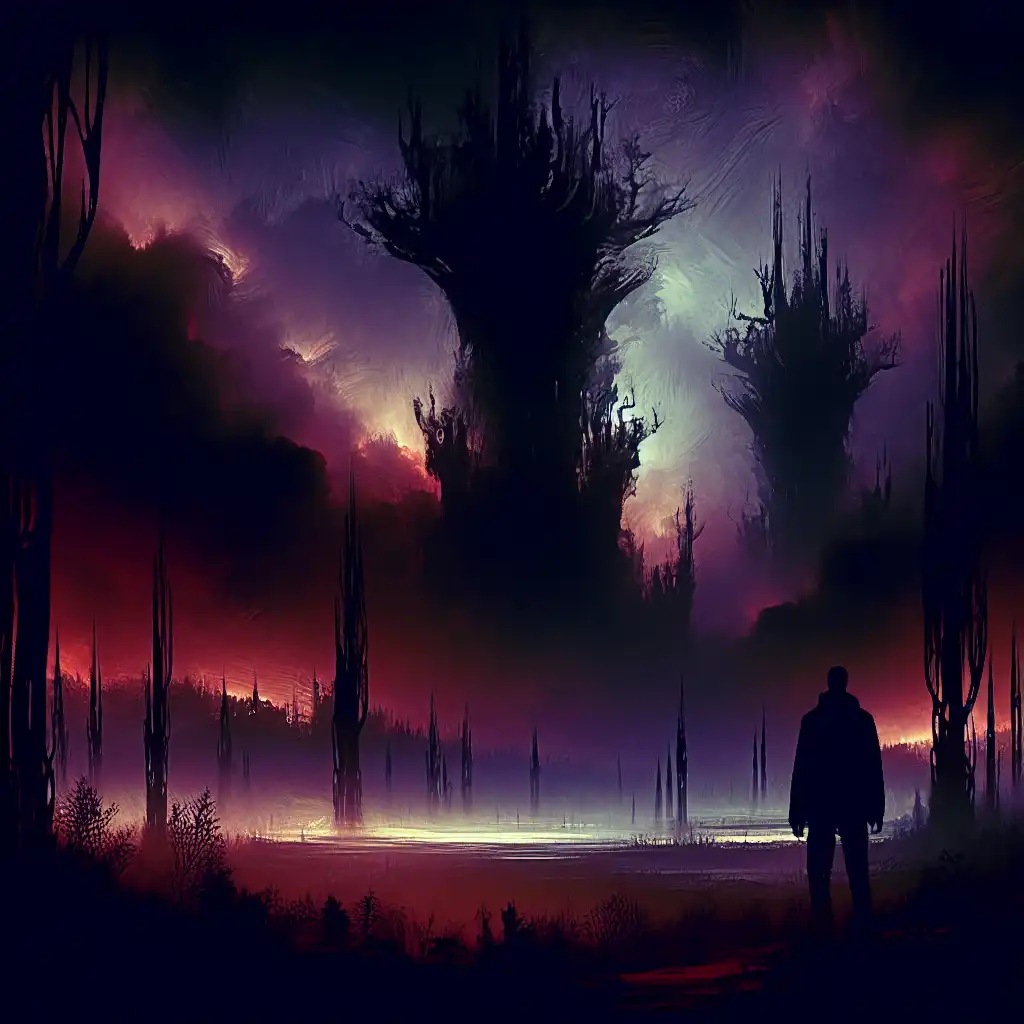
The general mood or emotion that a work of art, especially a piece of music or a film, creates
The tonality of the film could be described as dark and foreboding.
təʊˈnæləti
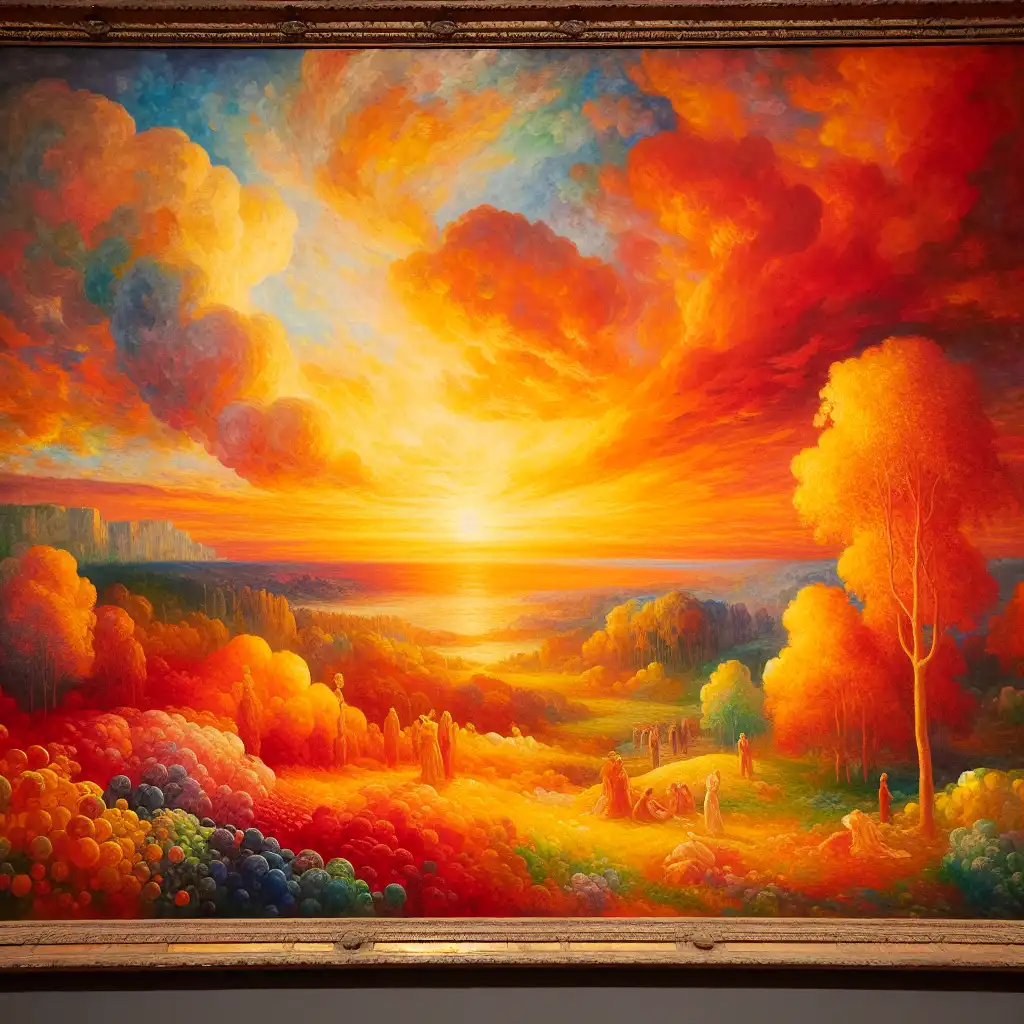
The quality of color in a painting, photograph, etc., and the relationships between the different colors
The artist used a warm tonality for the sunset in his painting.
Không tải được âm thanh. Vui lòng thử lại sau.
Tonality is a word used in music to describe the sound of a piece of music, specifically the key or scale that it is played in. It refers to the way the notes sound together and the feeling or emotion that the music creates. For example, a happy song might have a major tonality, while a sad song might have a minor tonality. In general, tonality is a term that describes the pitch and tone of music and how it makes you feel.
Harmony refers to the combination of chords (several different notes played together) that create a pleasing sound in music.
In simpler terms, harmony is about the way different chords sound together, while tonality is about which notes and scales are being used in a piece of music.
Mở từ: Harmony →Key refers to the set of notes that a musical composition is based on, and it determines the pitch of the music.
A musical composition in the key of C major uses the notes C, D, E, F, G, A, and B. The key can be changed during a song to create different moods and emotions.
Tonality is determined by the choice of key and the way the composer uses it in terms of harmony, melody, and rhythm.
Key refers to a specific set of notes, while tonality describes the overall emotional quality of a musical composition.
Mở từ: Key →In music theory, mode refers to a concept where the notes of a scale are ordered in relation to a specific pitch, known as the tonic.
There are seven modes and each mode has its own unique pattern of intervals that give it a distinct sound. The modes are commonly used in various genres of music, including jazz, rock, and world music.
In summary, while mode relates to the structure and pattern of intervals in a specific scale, tonality refers to the overall feeling and sense of stability created by the relationship between notes and the tonal center.
Mở từ: Mode →Pitch refers to the highness or lowness of a sound. Tonality refers to the overall sound quality or mood that is created by a specific arrangement of pitches.
For example, if two people were singing the same note, but one was singing it at a lower pitch than the other, they would be producing different pitches.
However, if someone played a melody on a piano or guitar, the tonality would refer to the specific combination of pitches that was being played and how they created a certain mood or feeling.
Pitch is more focused on individual notes, whereas tonality is more focused on the overall feeling or impression created by a grouping of notes.
Mở từ: Pitch →Scale refers to a collection of musical pitches arranged in ascending or descending order. It is applicable in music when we talk about melodies, solos, or improvisation.
In simpler terms, a scale is a ladder of notes, and tonality is the overall mood or feeling of a song based on the notes in the scale.
Mở từ: Scale →Monkey Cuisine %\PIPE% Secret...
Xem trên YouTube ↗There's the truth to every moment that you have to bring to every scene, but you have to understand the tonality of the film before you begin, which isn't something that's instinctual to me.
I realised how important it is to have your body movement, your diction, tonality, dialogue delivery and to be in rhythm because everything is musical.
We were really interested in music from all over the world. We realized that what we were doing was very close to contemporary classical music because of the lack of tonality in the guitar- the fact that I play guitar the way I play.
The tonality of the flute almost has a mystic element to me.
Manipulating shadows and tonality is like writing music or a poem.
The rhythm, the sounds, the tonality, the chord sequences, the individual effect of each instrument and each section of the band - I'm talking about a whole continent in my music.
Rap is the pulsation given by some, usually an electronic rhythm section, without any tonality, and you have someone reading high-school poetry.
The people inside the company, generally two to three levels down, they know best what's wrong and how to fix it. It's just that their voices aren't being heard. I listen for words, tonality, and language.
I want music to move me, and I don't think it can do that without at least a link to tonality. It's the tug between atonal and tonal which makes music poignant.
Penny Dreadful' is so realistic. The tonality is so earthy and so real that I actually believe it is in the realm of possibility for all these extra species to exist among us.