tyrant
noun tyrant
ˈtaɪrənt
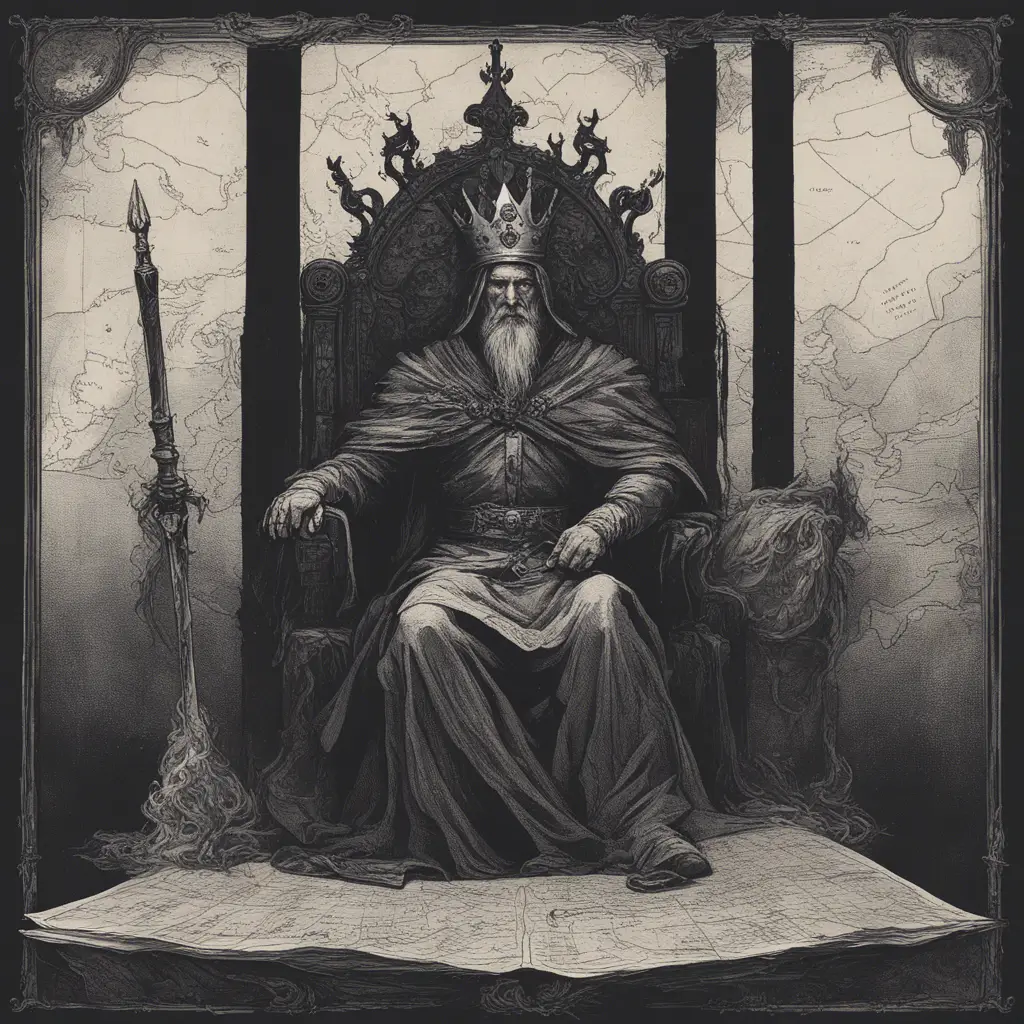
A cruel and oppressive ruler
He was known as a tyrant who ruled with an iron fist.
tyrant
ˈtaɪrənt
加载中…
ˈtaɪrənt
A cruel and oppressive ruler
He was known as a tyrant who ruled with an iron fist.
ˈtaɪrənt
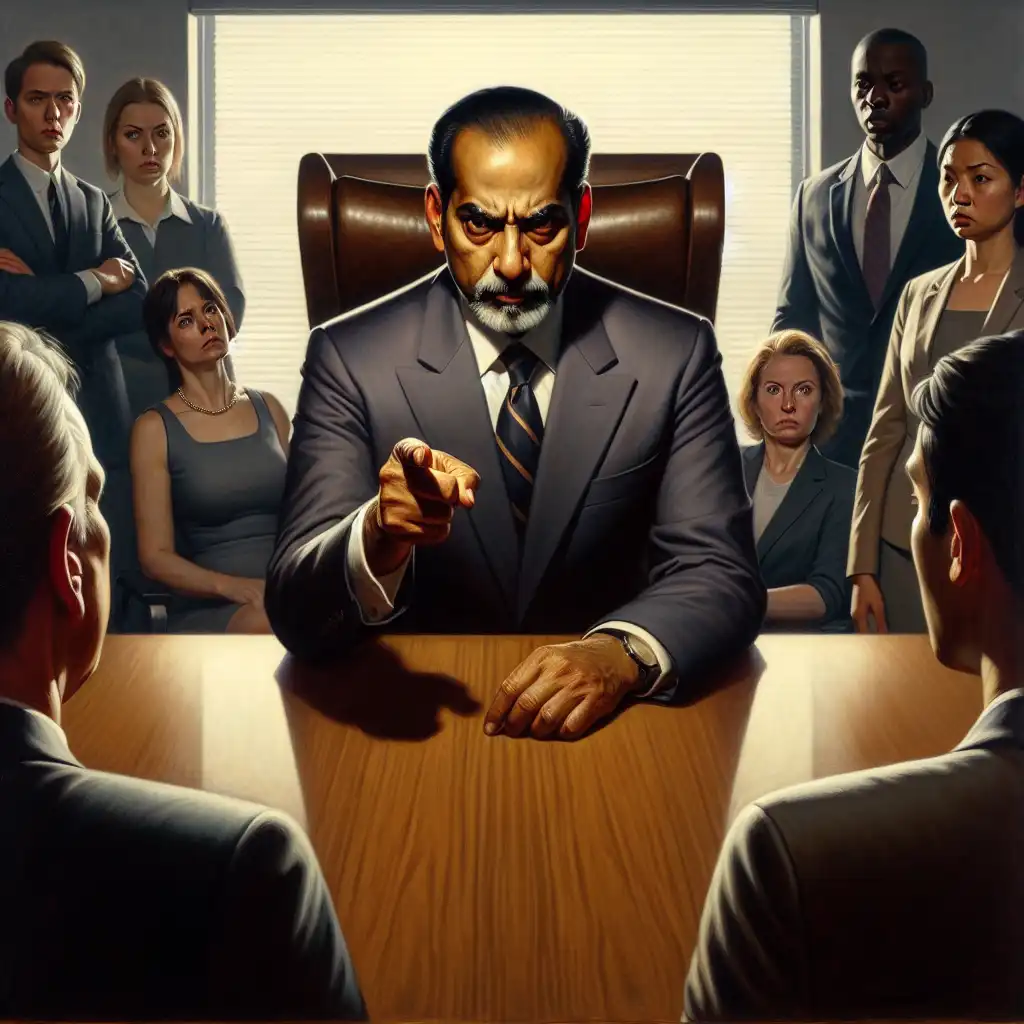
An individual who exercises power or control in a harsh or cruel manner
He was a real tyrant in the office, never allowing his employees any freedom.
ˈtaɪrənt
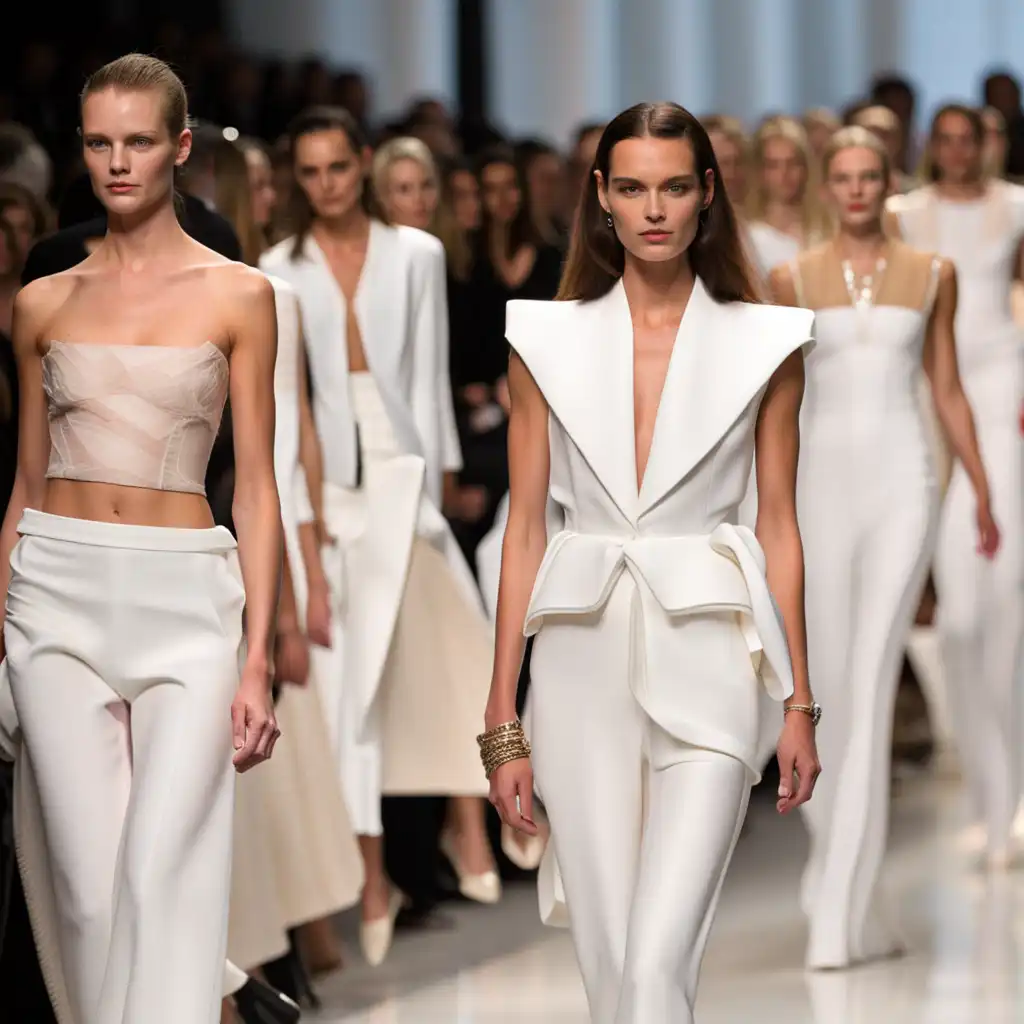
A person with complete control in a particular sphere
He's the tyrant of the fashion industry, everything he says goes.
音频无法加载,请稍后再试。
The word 'tyrant' is used to describe a leader who is cruel and oppressive towards their people. It can also refer to anyone who exercises a great deal of power and control over other people in a negative way. The word is often used in a negative context, to criticize someone for behaving in an unjust or authoritarian manner. For example, you might describe a boss who constantly bullies and micromanages their employees as a "tyrant".
Both authoritarian and tyrant refer to leaders who exercise absolute and oppressive control over a group of people.
Authoritarian refers to a system of government where the ruler or the ruling party has complete control over the country, without any opposition or checks and balances.
Authoritarian is a broader term that applies to a system of government, while tyrant applies to an individual who abuses power.
打开单词: Authoritarian →Both autocrat and tyrant refer to someone who has absolute power over a group of people.
An autocrat is a ruler who has complete control over a government, but may not necessarily use their power to oppress or harm their citizens.
An autocrat is someone who has absolute power, but may use it for good or for bad, while a tyrant is someone who uses their power to oppress and harm their citizens.
打开单词: Autocrat →A bully is someone who uses physical or emotional force to intimidate or control others, often targeting individuals or groups that they perceive as weaker or vulnerable.
Bullying is typically done repeatedly over a period of time and may involve verbal abuse, physical aggression, or exclusion from social groups.
A bully tends to be an individual who uses personal attacks to assert dominance over others, while a tyrant is often a leader who uses institutional power to oppress people.
打开单词: Bully →Both despot and tyrant refer to a ruler who has total power and authority, but there is a slight difference in their meaning.
A despot is a ruler who rules over a country with absolute power, but the people may not necessarily be oppressed or mistreated.
In other words, a despot may be a benevolent ruler who cares for his people, but the fact remains that he has absolute control over the country.
A despot is a ruler with absolute power, whereas a tyrant is a ruler who uses their power to oppress and mistreat their subjects.
打开单词: Despot →A dictator is a leader who holds complete control over a country or organization, often obtained through force or political means.
They exercise power without legal or constitutional constraints and do not have to answer to the citizens. Dictators often use propaganda and repression to maintain their power.
They often act cruelly and ruthlessly towards citizens, and their rule is marked by violence and oppression. While dictators can also be tyrannical, not all dictators are necessarily cruel or oppressive.
A dictator holds absolute power to govern without accountability, while a tyrant is a cruel and oppressive ruler who uses their power to harm their citizens.
打开单词: Dictator →The term oppressor refers to someone who uses their power or authority to oppress or mistreat someone else. They may exploit others or deny them equal rights and freedoms.
So, while both terms refer to people who abuse power, oppressor is a more general term that can be used in many contexts, while tyrant specifically refers to rulers who are excessively controlling and cruel.
打开单词: Oppressor →Totalitarianism is a political system where the government has complete control over all aspects of life, including the economy and individual beliefs and behaviors.
In short, totalitarianism is a system of government, while a tyrant is a person who rules in a certain way. Both concepts can be applied in different contexts, but totalitarianism is often associated with oppressive regimes or dictatorships, while a tyrant can be anyone who abuses their power, including rulers, bosses, or even bullies.
打开单词: Totalitarian →on streets and social media, protesters around the world are challenging the status quo. Protest can thrust issues onto the national or global agenda, it can force out tyrants, it can activate people who have long been on the sidelines of civic life.
在 YouTube 上观看 ↗The only tyrant I accept in this world is the still voice within.
is that a society in which people can be monitored at all times is a society that breeds conformity and obedience and submission, which is why every tyrant, the most overt to the most subtle, craves that system. Conversely even more importantly,
在 YouTube 上观看 ↗This and no other is the root from which a tyrant springs; when he first appears he is a protector.
social bonds or friendships but it's male starts to bully one of his wives they all gang up and retaliate and the tyrant doesn't always get his own way
在 YouTube 上观看 ↗A truer image of the world, I think, is obtained by picturing things as entering into the stream of time from an eternal world outside, than from a view which regards time as the devouring tyrant of all that is.
the closest we've come but uh being a tyrant is obviously obviously a problem because tyrants are tyrannical thank you that's the best fight I've ever made in my life and they're literally cruel and oppressive by definition um and like I said you know because of our
在 YouTube 上观看 ↗Tyrants have always some slight shade of virtue; they support the laws before destroying them.
Tyrannosaurus Rex the very name means tyrant Lizard King but was this tyrant merely a bumbling giant or a calculating
在 YouTube 上观看 ↗I'm going to show the world that I'm not a tyrant, much less a devil.
the phrase that sticks in many of our minds is things about inalienable rights. I mean that's Stage Five right? Life is great, oriented only by our values, no other guidance. In fact most of the document is written at Stage Two. "My life sucks because I live under a tyrant,
在 YouTube 上观看 ↗Of all the tyrants the world affords, our own affections are the fiercest lords.
so not happy he's a tyrant life or a trainee keeper is buried there speeding
在 YouTube 上观看 ↗My father was very intense, passionate and over-the-top. He was my hero and my tyrant.
He has horns tusks crossed eyes, braided hair. He obviously spends a lot of time on that hair. Justice now lies helpless at his feet, shackled. Her scales have been severed. Justice is the key antagonist to the Tyrant,
在 YouTube 上观看 ↗The political lives of tyrants play out human affairs with a special intensity: the death of a democratic leader long after his retirement is a private matter, but the death of a tyrant is always a political act that reflects the character of his power.
would call "tyranny without a tyrant." Yet accompanying the bleakness of Kafka's stories, there's a great deal of humor rooted in the nonsensical logic of the situations described. So on the one hand it's easy to recognize the Kafkaesque in today's world.
在 YouTube 上观看 ↗I'm a tyrant that you should trust, and you should let me run your life, because I do know what is best for you.
How did Adolf Hitler, a tyrant who orchestrated one of the largest genocides in human history, rise to power in a democratic country? The story begins at the end of World War I.
在 YouTube 上观看 ↗One weeps not save when one is afraid, and that is why kings are tyrants.