floury
adjective floury
ˈflaʊəri
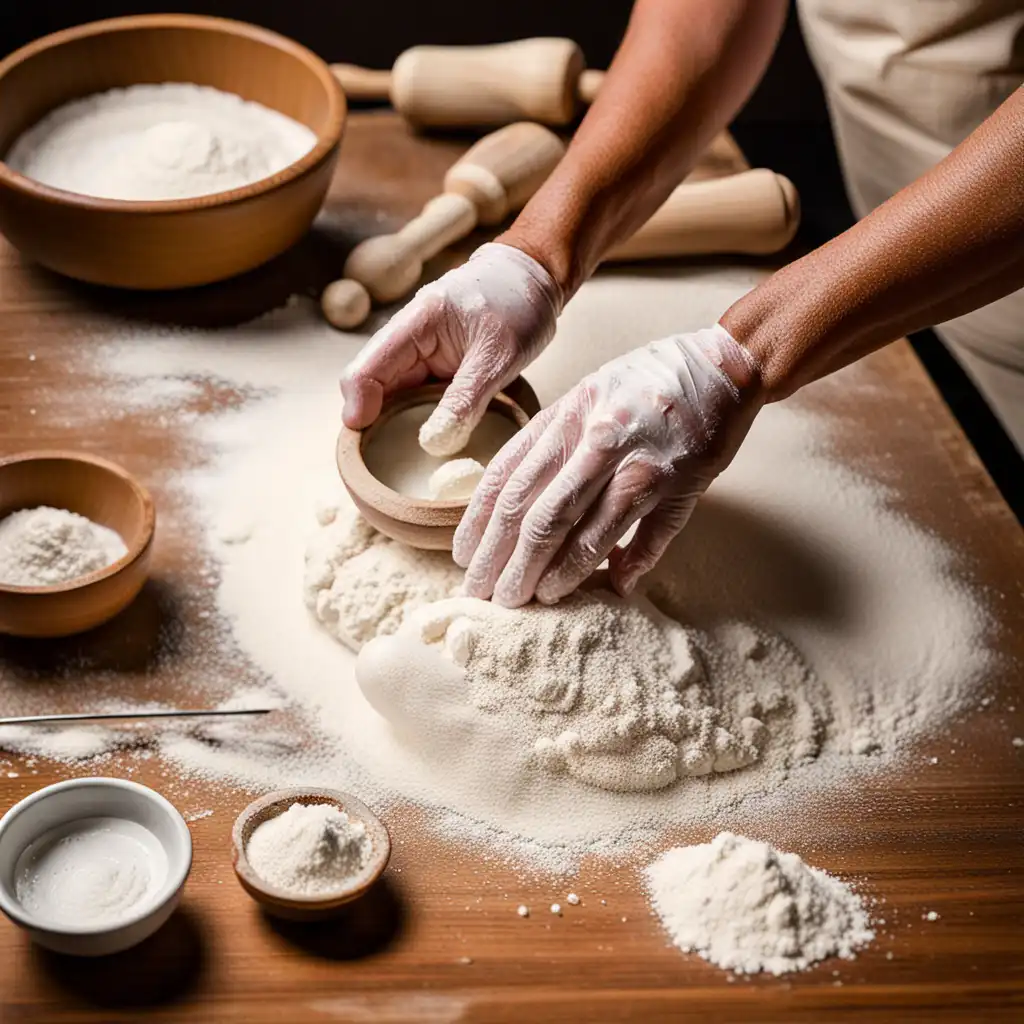
Resembling or covered with flour.
After the baking session, my hands were all floury.
floury
ˈflaʊəri
불러오는 중…
ˈflaʊəri
Resembling or covered with flour.
After the baking session, my hands were all floury.
ˈflaʊəri
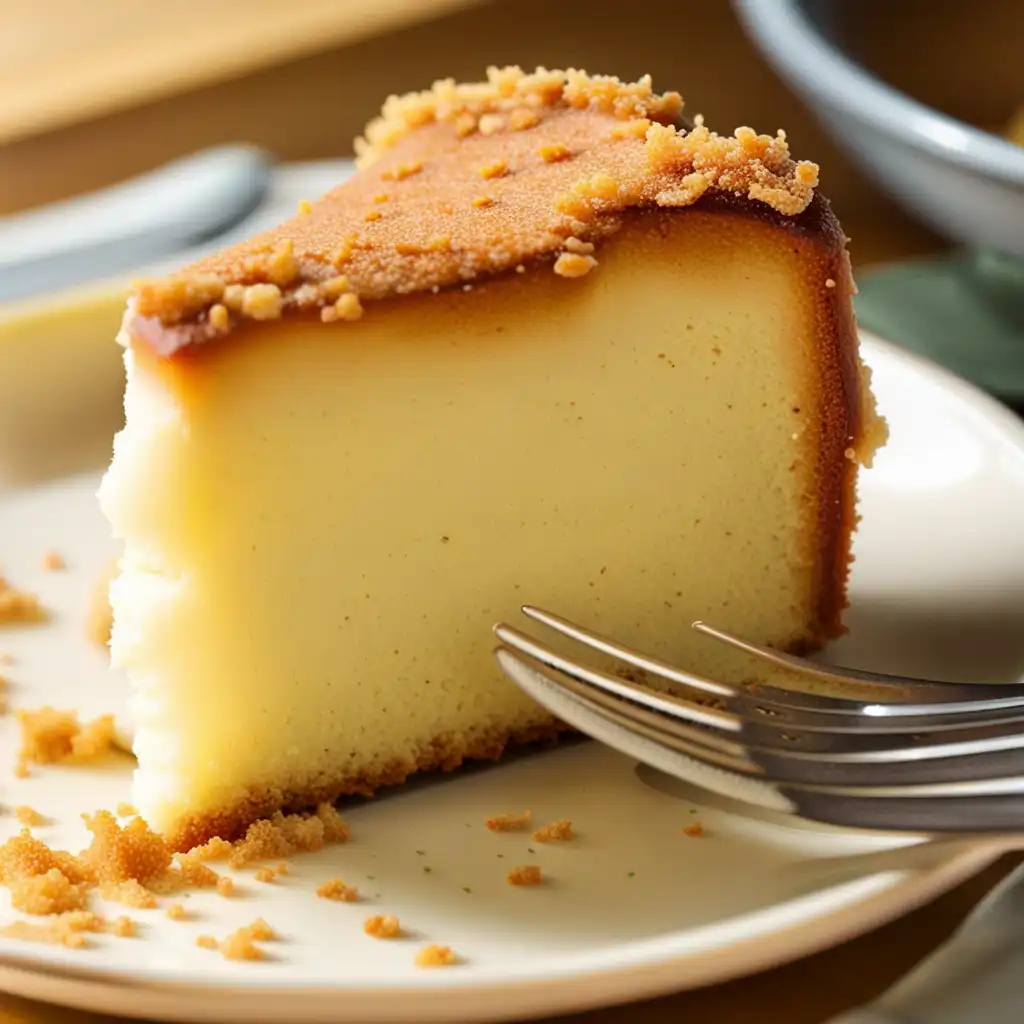
Having a taste or texture of uncooked flour.
The cake was undercooked and rather floury.
오디오를 불러오지 못했어요. 잠시 후 다시 시도해 주세요.
The word 'floury' is used to describe something that has a lot of flour on it or in it. For example, if you bake bread or cookies, the dough might feel floury if there is too much flour in it. You might also say that potatoes are floury if they have a lot of starch in them and a dry, fluffy texture when cooked. Overall, 'floury' is a word used to describe things that have a lot of flour or starch in them, often affecting their texture or appearance.
Chalky refers to something that has a dry and gritty texture similar to chalk.
So essentially, chalky refers to something that feels like chalk, while floury refers to something that feels like flour.
Both words can describe the texture of certain things, but chalky is typically used for things that are gritty and dry, while floury is used for things that are powdery and crumbly.
단어 열기: Chalky →Crumbly refers to something that falls apart easily into small pieces or crumbs, like dry cake or biscuits.
Both words describe different textures, with crumbly indicating a dry, easily breakable texture, and floury indicating a more moist, powdery texture.
단어 열기: Crumbly →Dry means lacking moisture or not containing any liquid. Floury means having a powdery texture, often with a high starch content.
Dry can describe anything from a desert to a towel that is no longer wet.
So, while dry refers to the absence of moisture, floury refers to the texture of something that is powdery and contains high levels of starch.
단어 열기: Dry →Dusty refers to something covered in a fine layer of dry dirt or powder. It is applicable to things like books, furniture, or floors that have not been cleaned for a while or are in a very dry and arid environment.
단어 열기: Dusty →Granular describes something that has a texture consisting of small, distinct particles, like sugar or sand.
Granular describes things like sugar, salt, or soil.
Floury describes something that is powdery and smooth, while granular describes something that is made up of small particles.
단어 열기: Granular →The words floury and mealy both describe a texture and taste.
Mealy, on the other hand, refers to a texture that is dry and gritty, like grains of sand.
Floury describes a texture that is powdery and dry, while mealy describes a texture that is dry and gritty. Both words are used to describe food textures, but floury is used more for vegetables and mealy is used more for fruits.
단어 열기: Mealy →Floury is typically used to describe something that has the texture of flour or is covered in flour. For example, the outside of a doughnut might be described as floury because it has a powdery texture from the flour dusted on top.
Powdery describes something that is made up of a fine powder, like talcum powder or baking powder. For example, sugar can be described as powdery because it is ground into a very fine powder.
Floury is more of a texture-based term, while powdery is more focused on the substance being made up of fine particles.
단어 열기: Powdery →Floury and starchy are both adjectives used to describe food, but they have slightly different meanings.
Starchy describes food that is high in carbohydrates, like potatoes or pasta. Starchy foods are often used as a source of energy in our diets.
So, while a potato could be both floury and starchy, they describe different qualities of the food.
Floury describes the texture, while starchy describes the nutritional content.
단어 열기: Starchy →Life lessons from a...
YouTube에서 보기 ↗Humble plants that hide...
YouTube에서 보기 ↗