frippery
noun frippery
ˈfrɪpəri
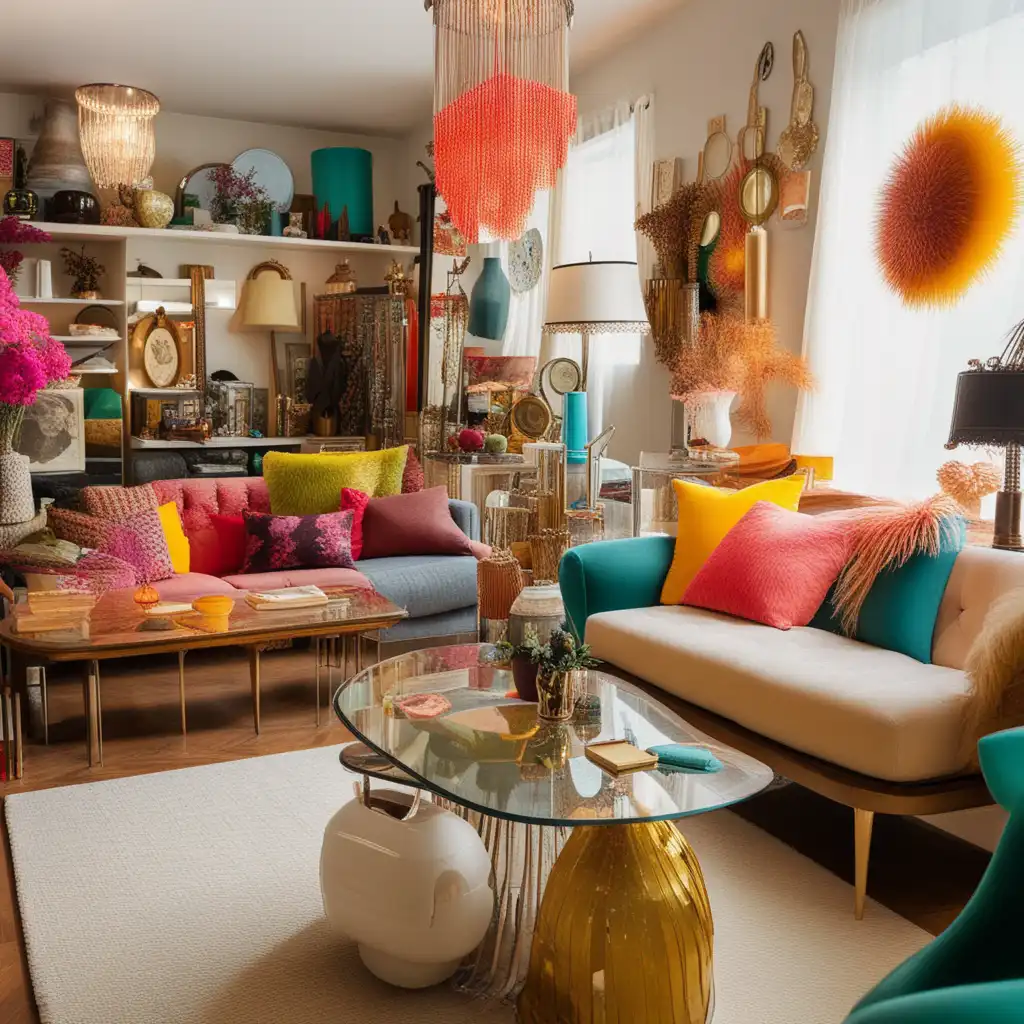
Something flashy or showy but with little real value
She filled her home with cheap fripperies that caught her eye in the department stores.
frippery
ˈfrɪpəri
Đang tải…
ˈfrɪpəri
Something flashy or showy but with little real value
She filled her home with cheap fripperies that caught her eye in the department stores.

ˈfrɪpəri
Excessive elegance or refinement considered as wasteful or frivolous
His open disdain for frippery could be seen in his simple, minimalist home design.

ˈfrɪpəri
A company or store selling cheap, flashy clothes
She loved to shop at a local frippery filled with a variety of vintage clothing.
Không tải được âm thanh. Vui lòng thử lại sau.
The word "frippery" is used to describe something that is ornamental or decorative but is considered to be of little value or importance. For example, a piece of jewelry that is flashy and showy but lacks any true worth or meaning might be considered a frippery. The word can also be used to describe clothing or other accessories that are overly ornate or flamboyant in their design. It is important to note that the word has a negative connotation and is often used to criticize items that are deemed superficial or unnecessary.
Both bauble and frippery refer to something that is decorative or ornamental, but they have slightly different connotations.
A bauble is typically a small, inexpensive trinket or ornament that is used to decorate something else, such as a Christmas tree.
A bauble is a small decorative item that is typically inexpensive and of little value, while a frippery is something that is excessive or unnecessary in its decorative qualities.
Mở từ: Bauble →Flummery refers to something that is meaningless or silly, often in a deceptive or confusing way.
Both words have a negative connotation and are used to describe things that are frivolous or trivial. The main difference between them is that flummery tends to refer to something that is intentionally deceptive or confusing, while frippery refers to something that is merely superficial or lacking in substance.
Mở từ: Flummery →Frivolity refers to something that is considered trivial or silly, often in a lighthearted or humorous way.
So frippery describes something that is excessive or unnecessary, while frivolity describes something that is considered unimportant or silly.
Both words can have negative connotations, but frippery is more focused on extravagance, while frivolity is more about lack of substance.
Mở từ: Frivolity →Both frippery and gewgaw refer to something that is decorative or ornamental, but there are some differences between the two words.
Gewgaw, on the other hand, implies something that is cheap or trivial, often with little or no practical value.
Frippery is applicable to something that is overly elaborate or showy, while gewgaw can apply to something that is cheap or trivial in nature.
Mở từ: Gewgaw →Both words frippery and gimcrack refer to a showy or decorative object that is of little value.
Gimcrack refers to any object that is cheaply made and looks flashy but lacks substance or quality.
For example, a piece of jewelry with too many fake diamonds and flashy details might be called a frippery. In contrast, a toy that is made of cheap plastic and looks flashy but breaks easily could be referred to as a gimcrack.
Mở từ: Gimcrack →Ornament refers to something decorative that adds beauty or interest to an object or space.
Frippery suggests something unnecessary and excessive, while ornament suggests something decorative and enhancing.
Mở từ: Ornament →Trifle generally refers to something that is insignificant, small or petty.
Frippery is more specifically associated with something superficial and ornamental, while trifle has a broader connotation of insignificance or pettiness.
Mở từ: Trifle →Frippery and trinket are both used to describe small, decorative items.
However, frippery generally refers to something that is considered extravagant or unnecessary, while trinket simply refers to a small ornament or keepsake.
For example, a fancy, expensive piece of jewelry might be called a frippery, while a small keychain with a cute design might be called a trinket.
Frippery has a negative connotation and implies wastefulness or superficiality, while trinket is a neutral term used to describe small, decorative objects.
Mở từ: Trinket →A little of what you call frippery is very necessary towards looking like the rest of the world.
Clothes are not frippery. Properly done, they can be an art form.