sepia
noun sepia
ˈsiːpiə
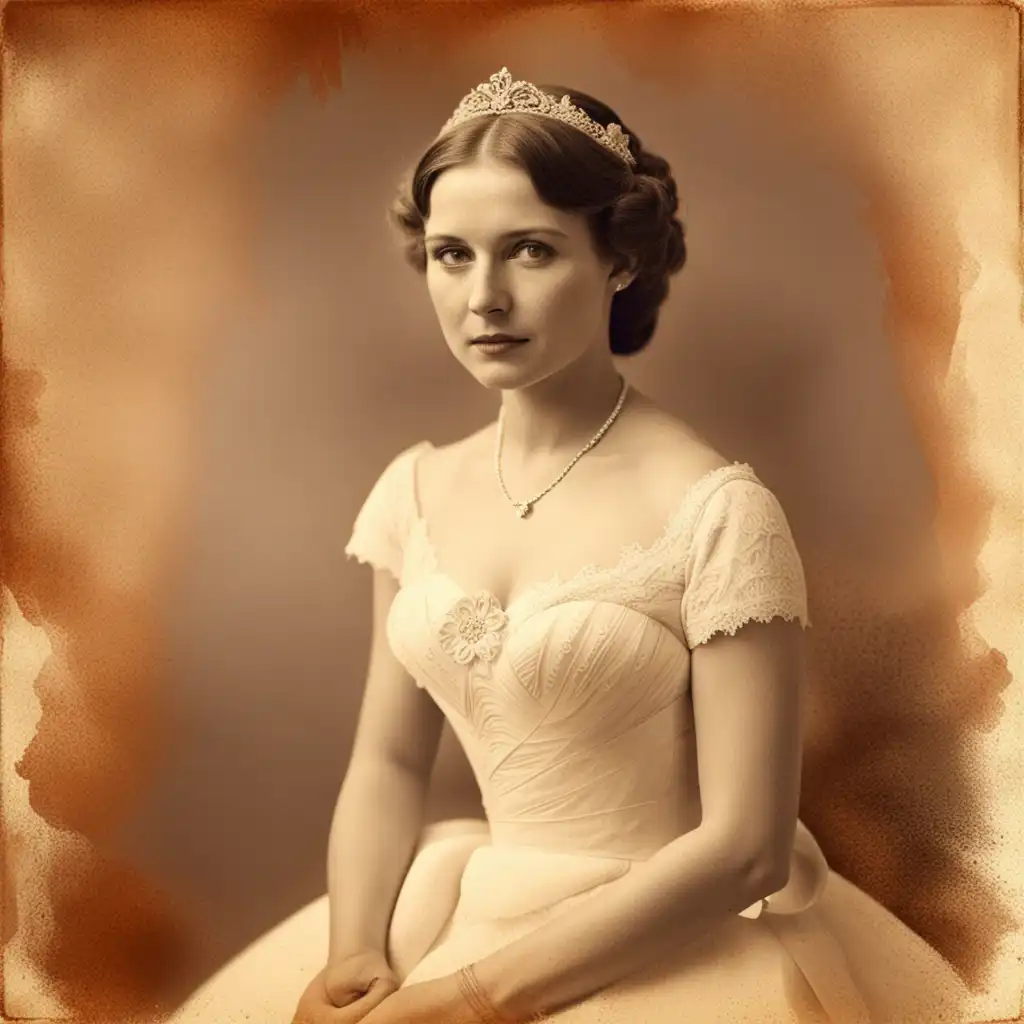
A reddish-brown color associated with monochrome photographs of the 19th and early 20th centuries.
Her wedding dress was displayed in sepia tones in the old photograph.
sepia
ˈsiːpiə
Loading…
ˈsiːpiə
A reddish-brown color associated with monochrome photographs of the 19th and early 20th centuries.
Her wedding dress was displayed in sepia tones in the old photograph.
ˈsiːpiə
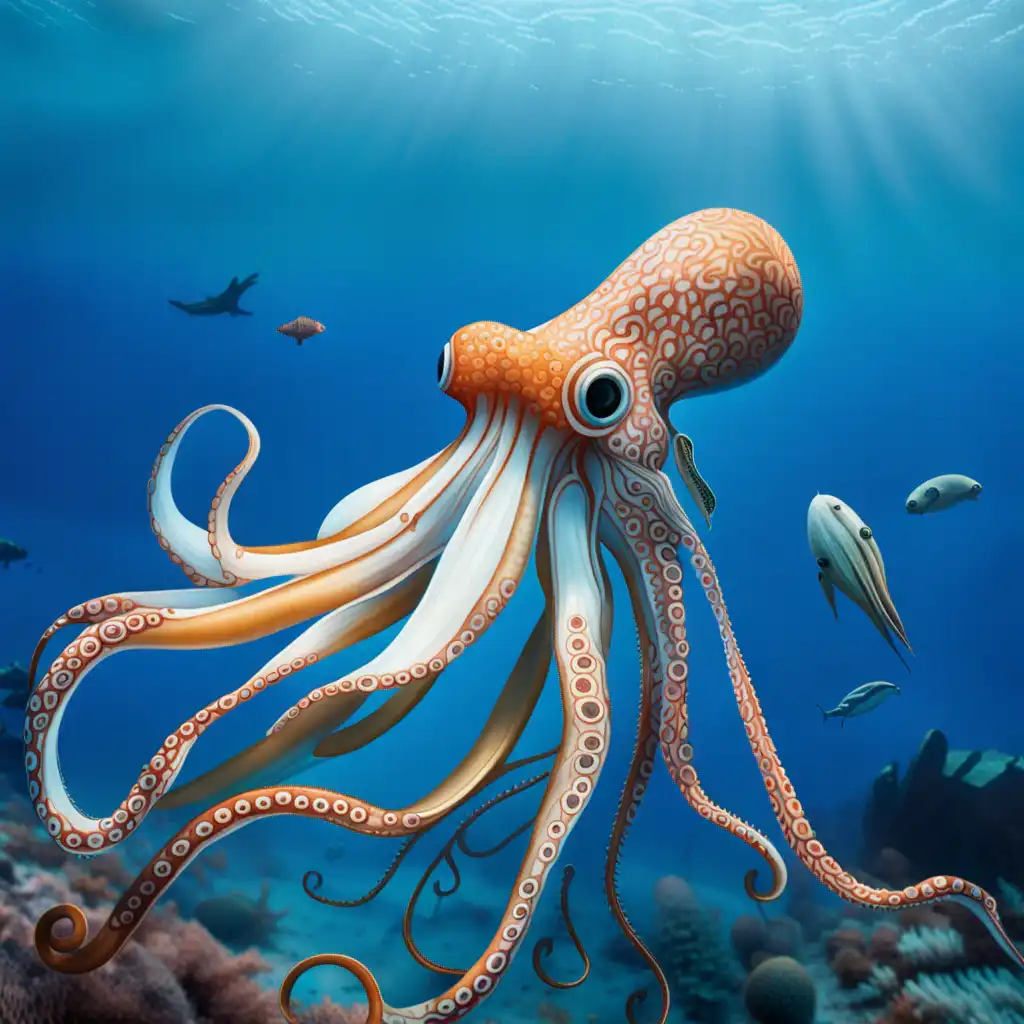
A type of squid found in many parts of the world ocean.
The sepia was seen easily due to its large size amongst the other marine life.
ˈsiːpiə
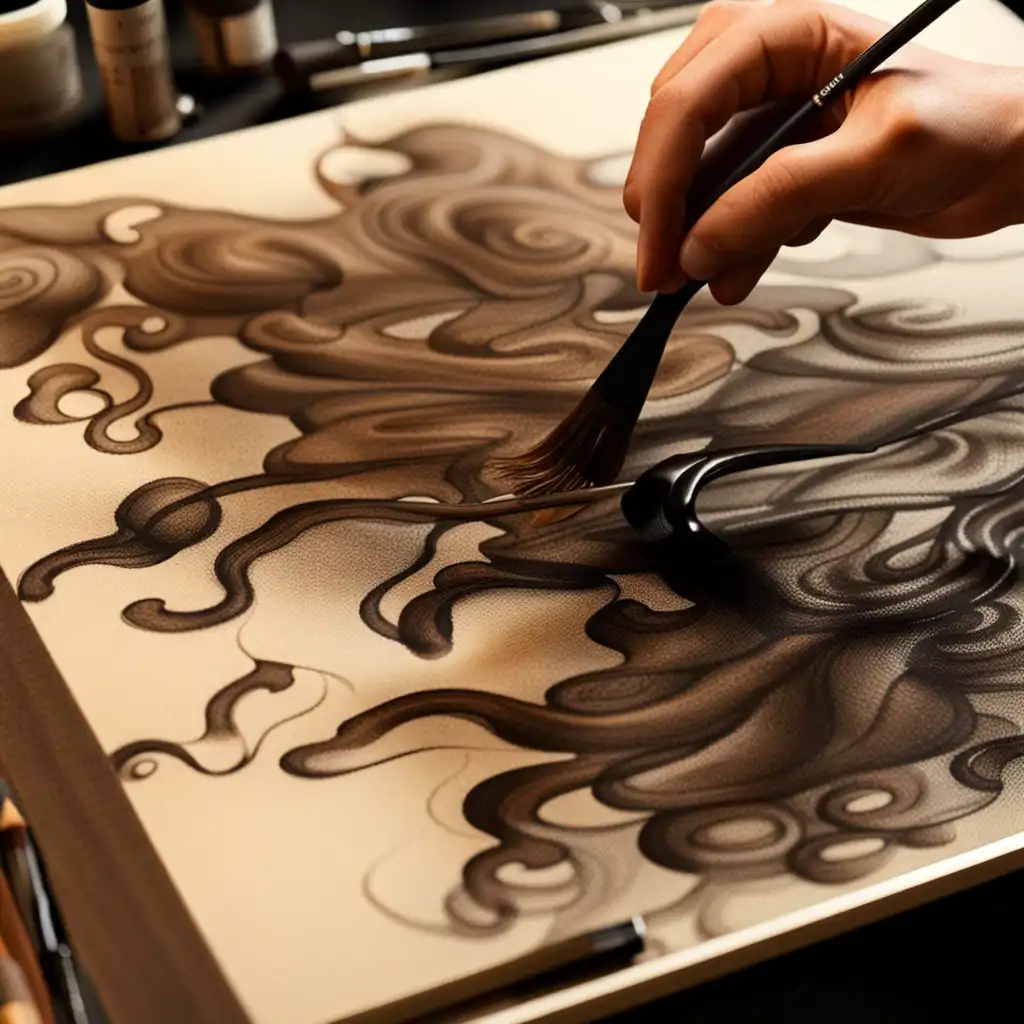
A dark liquid produced by cuttlefish and squids, used in art for drawing and in medicine.
The artist chose to use sepia for her sketch to give it a vintage look.
ˈsiːpiə
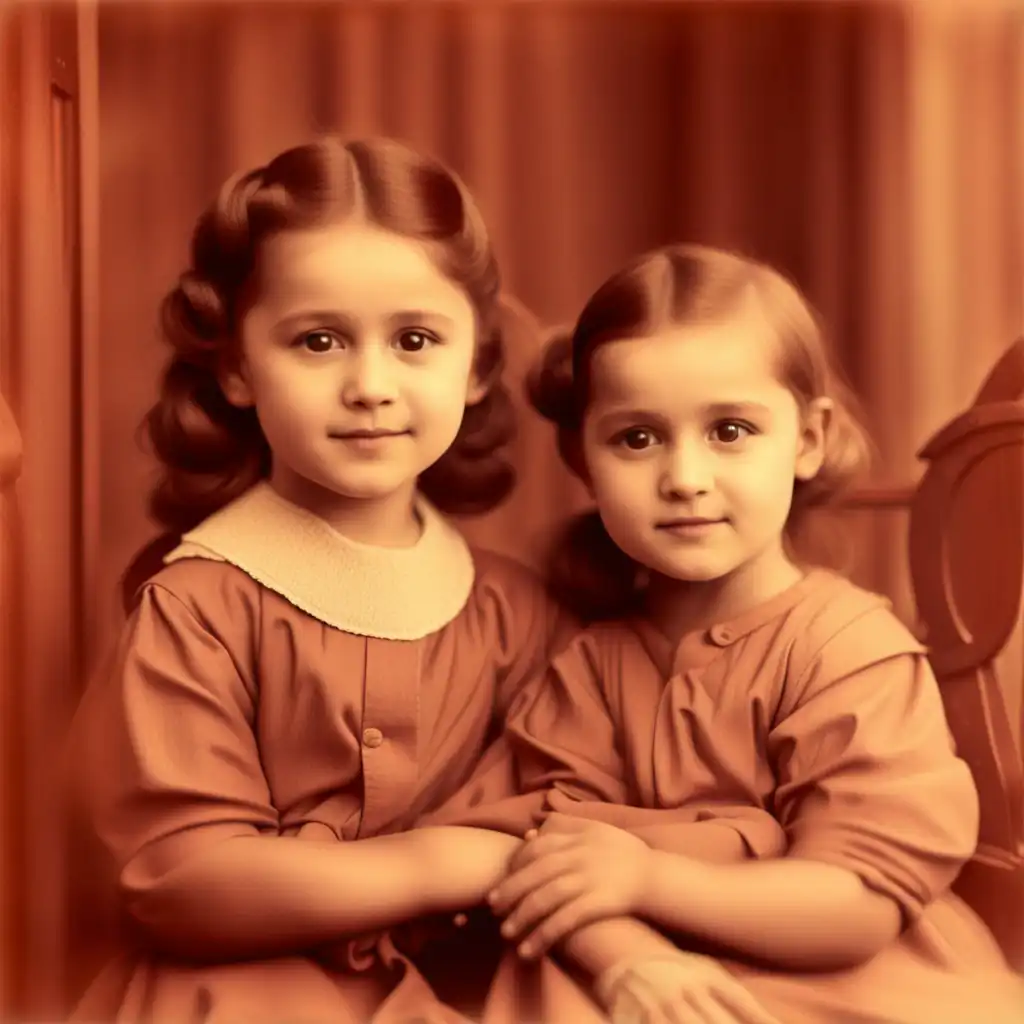
Having a reddish-brown color.
The sepia tone of the photograph gave it a nostalgic feel.
Audio could not be loaded. Please try again later.
Sepia is a color that is brownish-yellow and often looks like an old photograph. It is commonly used to describe the way historical or antique pictures look. If you want to describe a picture that has a yellowish-brown tone, you can use the word sepia.
Beige is a light brown color that is often used to describe a neutral, natural tone. It is commonly used in interior design, fashion, and makeup.
Beige is a light brown color that is more neutral and natural, while sepia is a reddish-brown color that is more nostalgic and vintage.
Beige is used in design and fashion, while sepia is used in photography to create a specific effect.
Open word: Beige →Brown is a general term used to describe a range of colors that are dark, earthy, and warm.
Brown can describe anything that falls under this color range, such as hair, clothes, or even furniture.
Sepia is a specific shade of brown, often described as a warm, reddish-brown tint. It is commonly used in photography to create an antique or vintage effect.
In summary, while brown is a general term for a range of warm and earthy colors, sepia specifically refers to a warm, reddish-brown tint commonly used in photography and named after the ink of certain cuttlefish.
Open word: Brown →Buff and sepia are both colors, but they are different shades. Buff is a light yellow or beige color, while sepia is a darker, reddish-brown color.
Buff is often used to describe the color of things like sand or some types of animals' fur. It's also commonly used to describe a type of leather that has been treated to remove any inconsistencies in color.
To sum up, buff is a light yellow or beige color used to describe things like sand or leather, while sepia is a darker, reddish-brown color used in photography and art for a vintage, nostalgic look.
Open word: Buff →Earthy describes colors and tones that are related to nature, such as browns, greens, and beiges. It often conveys a sense of warmth and naturalness.
For example, a room decorated with earthy tones might include wooden furniture, plants, and soft lighting.
Open word: Earthy →Fawn is a light brown color that is similar to the color of a young deer.
In simpler terms, fawn is a light brown color and sepia is a brownish-gray color used in photography.
Fawn is often used in fashion and decor, while sepia is used in photography to give an old-timey feel.
Open word: Fawn →Mute means quiet or silent.
It can describe a person who is not speaking or a sound that is turned off. For example, you might mute your phone when you're in a meeting so it doesn't make noise.
Mute refers to silence or quietness, while sepia refers to a brownish-gray color used to give photos a vintage look.
Open word: Mute →Sandy refers to a color or texture that is similar to sand.
It is often used to describe a yellowish or beige color that resembles the color of sand. Sandy is applicable when describing a beach or a desert.
Open word: Sandy →Sepia and tan are both colors, but they are different. Sepia is a brownish-gray color that looks like old photographs. Tan is a light brown color that is similar to the color of sand or leather.
Sepia is often used to create a vintage or nostalgic feel in photographs or artwork. Tan is more commonly used to describe skin tone or as a neutral color in fashion and interior design.
Sepia is a brownish-gray color associated with vintage and nostalgia, while tan is a light brown color commonly used to describe skin tone and as a neutral color in fashion and interior design.
Open word: Tan →Nina Jablonski breaks...
Watch on YouTube ↗Without poetry, stories would be told in sepia.
Breaking the illusion of...
Watch on YouTube ↗Choosing sepia is all to do with trying to make the image look romantic and idealistic. It's sort of a soft version of propaganda.
Safari Live - Day 174 %\PIPE%...
Watch on YouTube ↗For as long as I can remember, I have been passionately intrigued by 'Africa,' by the word itself, by its flora and fauna, its topographical diversity and grandeur; but above all else, by the sheer variety of the colors of its people, from tan and sepia to jet and ebony.
Some of those early photographs of me might as well be sepia. It's always thought that I disclaim television and am too theatre, but the truth is 'The Avengers' bores me now. I was grateful because it catapulted me into stage stardom. It was good. I'm not ashamed of it. But I only did it for two years.
India has a natural brownness to it, a natural yellowness, a sepia tone to it, with the dust in the air.
You can't shoot in sepia, so converting into black and white and then into brown makes everything feel less real.
Sepia in particular tends to make everything look a bit romantic and almost sentimental, hence the fact that it remains such a popular choice for wedding photographs.