
burnout
noun burnout
ˈbɜːrnaʊt
The state of having no energy or enthusiasm because of overworking or too much stress.
The doctor diagnosed her condition as burnout and suggested she take a vacation.
burnout
ˈbɜːrnaʊt
読み込み中…
ˈbɜːrnaʊt
The state of having no energy or enthusiasm because of overworking or too much stress.
The doctor diagnosed her condition as burnout and suggested she take a vacation.
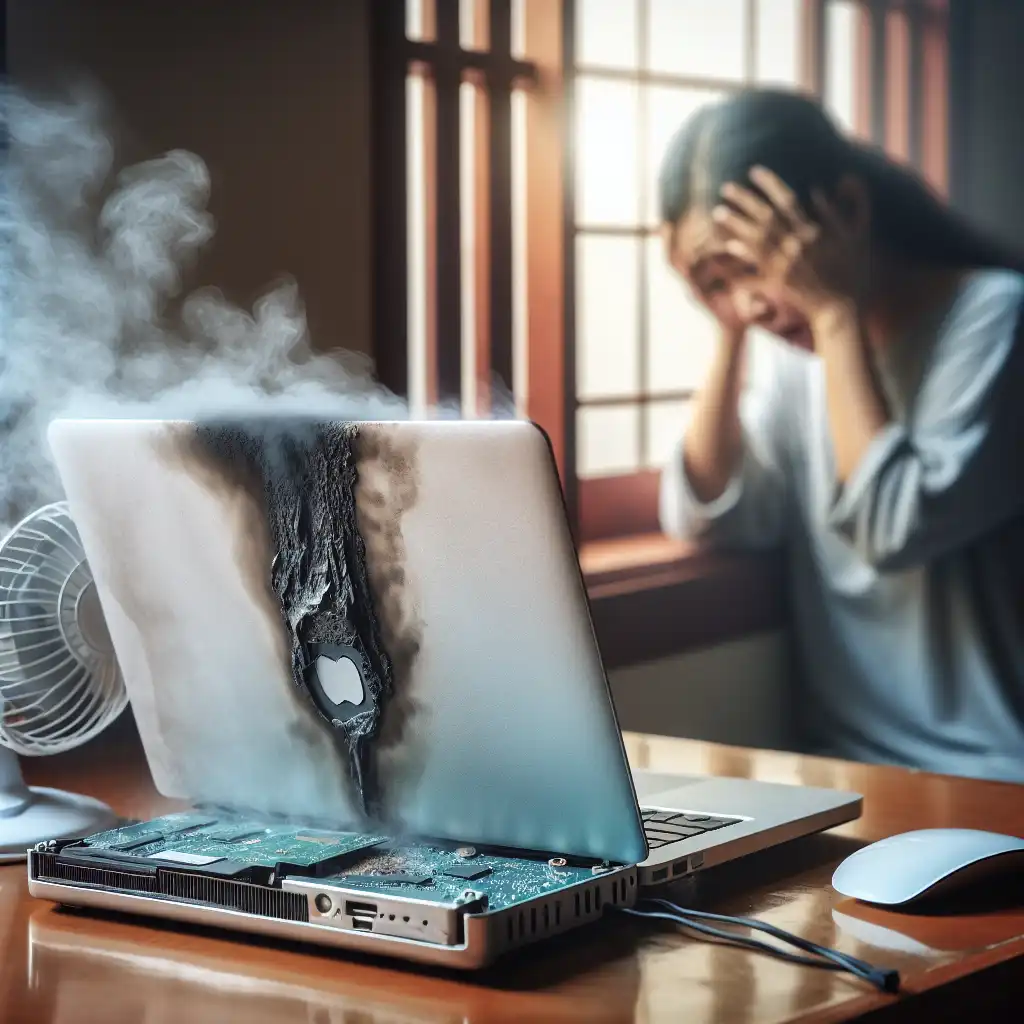
ˈbɜːrnaʊt
In technology, the failure of an electrical device or component due to overheating.
Laptop burnout is common if you use your device continuously without proper ventilation.
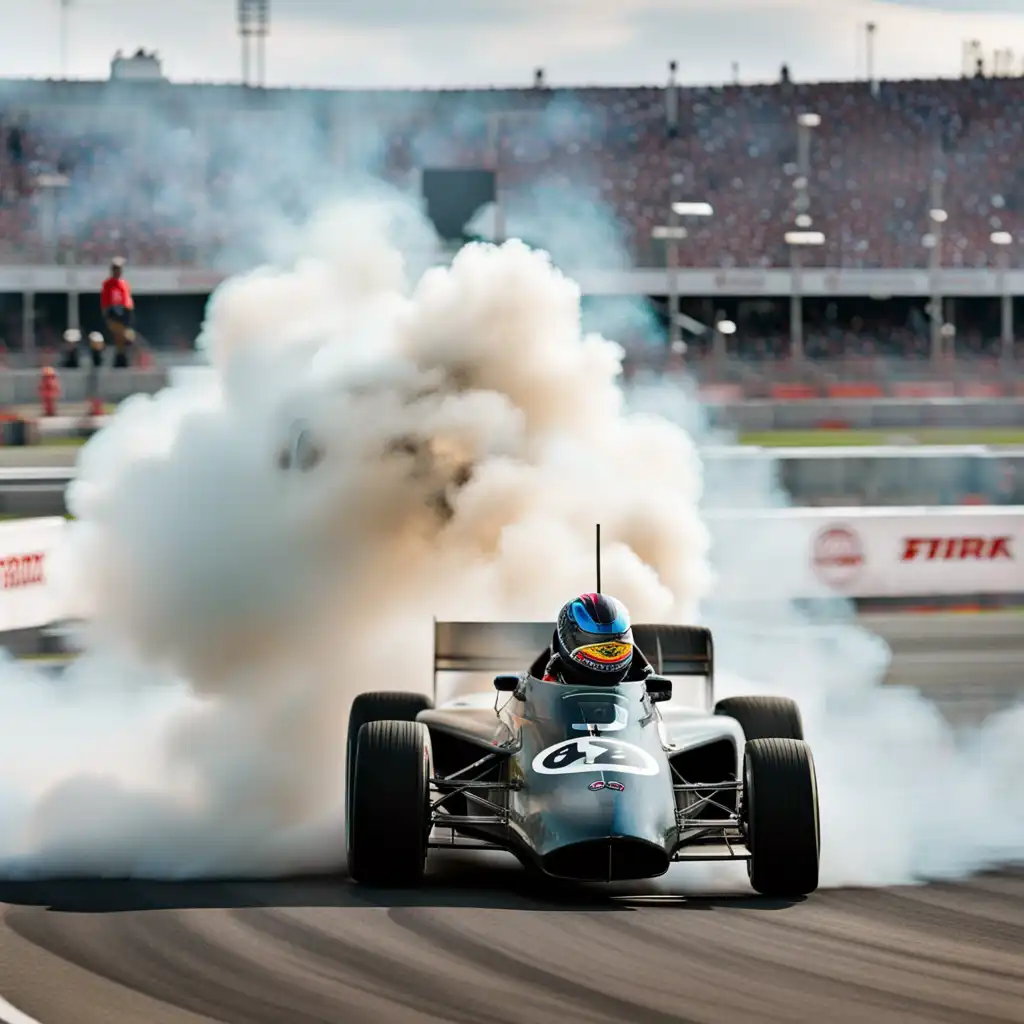
ˈbɜːrnaʊt
In motorsport, spinning the wheels of a vehicle while keeping it stationary to heat and clean the tires.
He did a burnout in his car before the race to warm up the tires.
音声を読み込めませんでした。しばらくしてからもう一度お試しください。
Burnout is a word used to describe a mental and physical exhaustion that comes from working too hard, for too long, or in a very stressful environment. It can happen to anyone who spends a lot of time doing something that requires a lot of energy, such as studying or working. Burnout can make people feel tired, unmotivated, and uninterested in things they used to enjoy. It's important to recognize the signs of burnout and take steps to prevent it, such as taking breaks, doing things that help you relax, and seeking support from others.
Burnout and deplete both refer to a state of exhaustion, but they are used in different contexts.
Deplete refers to the state of using up or exhausting resources, such as energy or nutrients. This is often used in the context of physical activity or illness.
For example, running a marathon can deplete your energy reserves, while a chronic illness may deplete certain nutrients from your body.
Burnout is more related to emotional and psychological factors, while depletion is more related to physical factors.
単語を開く: Deplete →Drain refers to something that slowly takes energy or resources away from us.
It can be physical, such as a blocked drain or a slow leak, or it can be mental, like constantly worrying. Drain is more general and applicable to anything that gradually depletes us of energy, for example, continuously scrolling through social media or having negative relationships.
単語を開く: Drain →Enervation refers to a state of physical or mental weakness caused by lack of energy, motivation, or vitality.
Burnout is caused by excessive stress and results in exhaustion and decreased productivity while enervation is caused by lack of energy or motivation and results in physical or mental weakness.
単語を開く: Enervation →Burnout and exhaustion are similar in that they both describe a feeling of being tired and worn out.
Exhaustion is a more general term used to describe physical and mental fatigue that can result from a variety of factors such as illness or lack of sleep.
Burnout is usually related to stress and work-related activities, while exhaustion can be related to numerous factors such as lack of sleep, illness, or excessive physical activity.
単語を開く: Exhaustion →Fatigue refers to a feeling of being tired, weak, or lacking energy.
It can result from physical or mental exertion, illness or medical treatment, lack of sleep, or other factors. Anyone can experience fatigue, and it can be temporary or chronic.
While burnout and fatigue can share some symptoms, such as lack of energy and difficulty concentrating, they are fundamentally different phenomena.
Burnout is a response to prolonged stress and overwhelm, whereas fatigue is a general feeling of physical and/or mental exhaustion.
単語を開く: Fatigue →Lassitude is a feeling of fatigue and lethargy. It refers to a state of physical or mental slowness or weakness.
Lassitude is often associated with illness or lack of engagement.
Burnout is a feeling of being overwhelmed and exhausted due to prolonged stress or overworking, while lassitude is a feeling of fatigue and lethargy that is often associated with illness or lack of engagement.
単語を開く: Lassitude →Burnout and tiredness are both related to fatigue, but they differ in their causes and severity.
Tiredness, also called fatigue, is a feeling of being physically or mentally exhausted after doing some activity. It is a normal response to physical or mental exertion and can be relieved through rest or sleep.
Tiredness is a common feeling after a long day, exercise, or mental work, while burnout is a chronic condition that develops over time from ongoing stress and can have serious long-term effects on a person's health and well-being.
Tiredness is a temporary feeling of exhaustion that can be relieved through rest, while burnout is a chronic condition caused by prolonged stress that requires more comprehensive interventions to overcome.
単語を開く: Tiredness →Weariness is a feeling of tiredness or fatigue that is caused by physical or mental effort, prolonged activity, or a lack of sleep.
Burnout is a more serious and long-lasting feeling of exhaustion resulting from prolonged stress or overwork, often associated with work-related stress, while weariness is a less severe feeling of tiredness or fatigue that can be relieved by rest or sleep and can be caused by a variety of factors, including physical or mental effort.
単語を開く: Weariness →Are you a giver or a...
YouTube で見る ↗That's the great irony of allowing passionate people to work from home. A manager's natural instinct is to worry that her workers aren't getting enough work done. But the real threat is that they will wind up working too hard. And because the manager isn't sitting across from her worker anymore, she can't look in the person's eyes and see burnout.
Praising slowness - Carl...
YouTube で見る ↗It's important that you don't lie to yourself. If you lie to yourself, you end up with burnout.
Mutant Bikes %\PIPE% Mad...
YouTube で見る ↗Women need to lead the way to change our culture of burnout - both for their sake and also for the sake of successful men who desperately need a new model of success. And the still-very-macho world of STEM is a great place to start.
3 rules for better...
YouTube で見る ↗We don't have enough people going into those fields and there is a high burnout rate in some health care professions, so it is very important that we get more people into the pipeline right now.
Emily Nagoski and Amelia...
YouTube で見る ↗The city - as the theater of experience, the refuge, the hiding place - has, in turn, been replaced by an abstraction, the fast lane. In the fast lane, the passive observer reduces everything - streets, people, rock lyrics, headlines - to landscape. Every night holds magical promises of renewal. But burnout is inevitable, like some law of physics.
Matthieu Ricard: How to...
YouTube で見る ↗Swimming is probably the ultimate of burnout sports. It's ironic because millions of people who swim as their regular exercise love the meditation aspect of it; you don't wind up with any orthopedic injuries. But when you swim at a world class level for hours and hours - the loneness of the long distance runner.
Yves Morieux: As work...
YouTube で見る ↗That's the thing: You don't understand burnout unless you've been burned out. And it's something you can't even explain. It's just doing something you have absolutely no passion for.
3 steps to stop remote...
YouTube で見る ↗Burnout is grist to the mill. I write every day, for most of the day, so it's just about turning into metaphor whatever's going on in my life, in the world, and in my head. Every nightmare, every moment of grief or joy or failure, is a moment I can convert into cash via words.
Carl Honore: In praise...
YouTube で見る ↗Ministry burnout is a real problem because it's never-ending.
The real reason you...
YouTube で見る ↗I just love what I do. I'm not worried about any burnout.