unvarying
adjective unvarying
ʌnˈveriɪŋ,ʌnˈværiɪŋ
Not changing or varying, staying the same all the time.
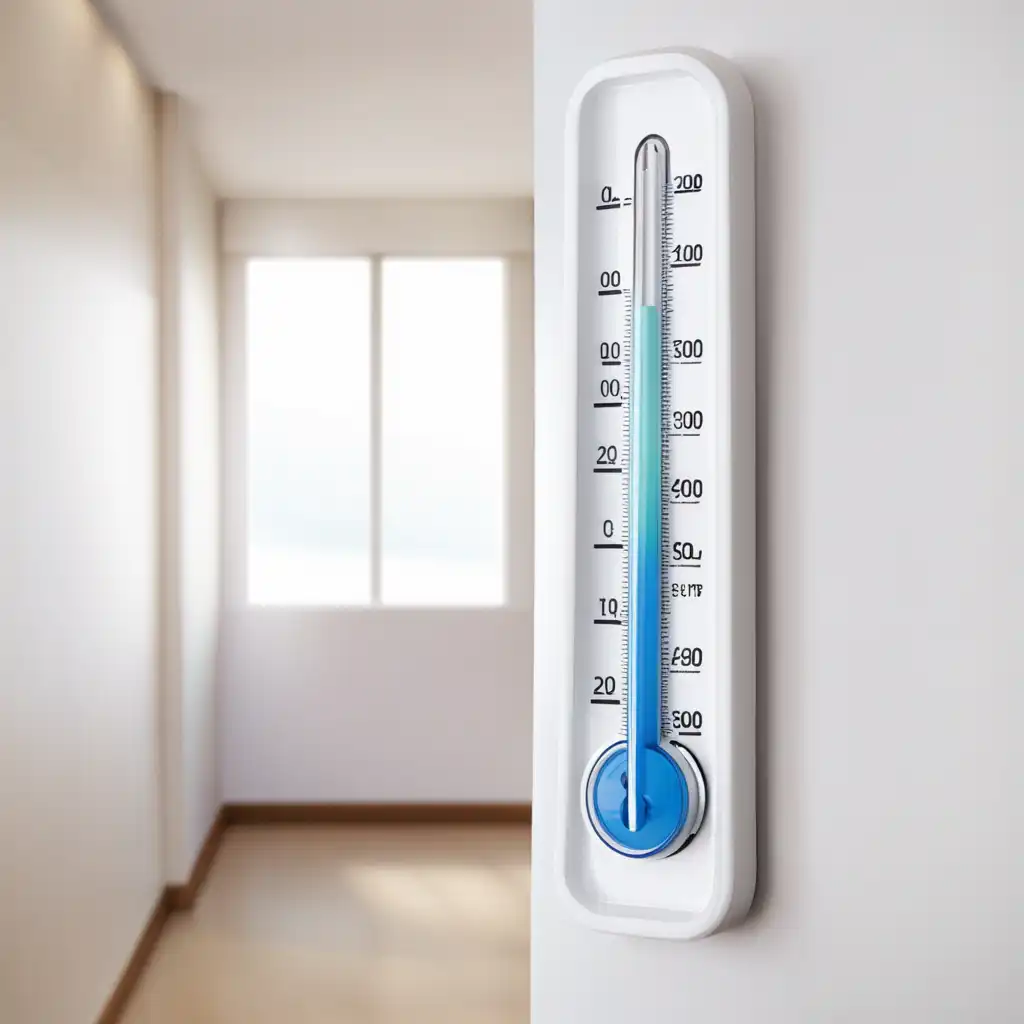
The room was kept at an unvarying temperature.
unvarying
ʌnˈveriɪŋ,ʌnˈværiɪŋ
Chargement…
ʌnˈveriɪŋ,ʌnˈværiɪŋ
Not changing or varying, staying the same all the time.
The room was kept at an unvarying temperature.

ʌnˈveriɪŋ,ʌnˈværiɪŋ
Lacking variety, repetitively similar.
Her daily routine was unvarying.
Impossible de charger l’audio. Réessayez plus tard.
The word 'unvarying' means something that always stays the same and doesn't change. You can use this word when you want to describe something that remains consistent in a particular situation. For example, if you go for a walk every day at the same time and take the same route, you can say that your routine is unvarying. Similarly, if someone's behavior or attitude towards you never changes, you can say that their behavior is unvarying. In short, the word 'unvarying' is used to talk about things that remain constant or unchanged over a period of time.
Consistent means the same behavior or quality over time, without noticeable changes or variation.
Both words refer to something that remains constant, but consistent suggests stability over time while unvarying simply means that something does not vary or change.
Consistent is more suitable when describing behavior or actions while unvarying is better used to describe physical characteristics or properties.
Ouvrir le mot: Consistent →Constant means something that doesn't change or remains the same over time. For example, the speed of light is constant because it never changes.
Unvarying means something that doesn't vary, or change, at all. It is more precise and extreme than constant. For example, a mathematical constant like pi is unvarying because its value doesn't change at all.
Both words can be used in similar contexts, but constant is more commonly used to describe things that change slowly or remain the same over time, while unvarying describes things that never change.
Ouvrir le mot: Constant →Fix means to make something right or to repair it. It is applicable when something is broken, damaged, or not working correctly.
To summarize, fix pertains to making a change or improvement while unvarying pertains to something remaining the same without any changes.
Ouvrir le mot: Fix →Invariable means that something never changes, whereas the word unvarying means that something always stays the same.
Invariable is more commonly used to describe patterns or rules, that cannot be altered or changed, while unvarying describes things that remain the same, without any fluctuations.
Invariable means that you cannot change something, while unvarying means that something does not change on its own.
Ouvrir le mot: Invariable →Monotonous means something that is boring because it stays the same or does not change. For example, a monotonous job would be one where you do the same thing every day without any variation.
So, while both words describe something that doesn't change, monotonous describes something that is tiresome because of repetition, whereas unvarying simply describes something that remains the same.
Ouvrir le mot: Monotonous →Persistent means continuing to exist, endure or last without fading away or stopping. It could refer to a person who keeps trying or a problem that keeps recurring.
Persistent refers to something that doesn't stop or goes on for a long time, while unvarying refers to something that stays the same and doesn't change.
Ouvrir le mot: Persistent →Static refers to something that does not change or move.
It can describe an object or situation that remains the same over time. For example, a static image on a screen does not change its position or appearance.
Unvarying also refers to something that does not change, but it has a slightly different connotation. Unvarying usually implies that something remains constant in its quality or character, whereas static simply refers to something that does not move or change.
Static refers to lack of movement or change, while unvarying refers to lack of variation or alteration in quality or character.
Ouvrir le mot: Static →Steady means consistent, predictable or reliable, while the word unvarying means lacking change or variation.
Steady can be used to refer to something that is always the same and is dependable, such as a job that provides a steady income.
Steady means stable and consistent, while unvarying means unchanging and fixed.
Ouvrir le mot: Steady →Both unchanging and unvarying refer to something that stays the same.
However, unchanging implies that something stays the same without ever changing, while unvarying suggests that something stays the same within a limited range or with minor fluctuations.
For example, a constant temperature could be described as unchanging, as it never deviates from a specific value. A person's mood could be described as unvarying if they consistently exhibit a particular mood or emotional state, but it may still fluctuate slightly within that emotional range.
Unchanging suggests complete consistency, while unvarying suggests a certain degree of regularity or consistency within a specific range.
Ouvrir le mot: Unchanging →Uniform refers to something that is consistent in appearance or behavior. For example, a police officer's uniform always looks the same, and all police officers are expected to behave in the same way when on duty.
Uniform applies to things that have a consistent appearance or behavior, while unvarying applies to things that are constant and do not change.
Ouvrir le mot: Uniform →When ideas have sex %\PIPE%...
Voir sur YouTube ↗Nobody knows what either sleep or waking consciousness is, even though these two have long been seen as the two sides of being: part of life's unvarying diurnal rhythm.
A girl does not treat a possible lover with unvarying simplicity and directness. In all its phases, love is complex; friendship is not.
It's too much to expect in an academic setting that we should all agree, but it is not too much to expect discipline and unvarying civility.
The nature of catastrophe is, after all, reasonably unvarying in the way it ruins, destroys, wounds and devastates. But if something can be learned from the event - not least something as profound as the theory of plate tectonics - then it somehow puts the ruination into a much more positive light.