homologous
adjective homologous
həʊˈmɑːləɡəs
Similar in position, structure, function, or characteristics.
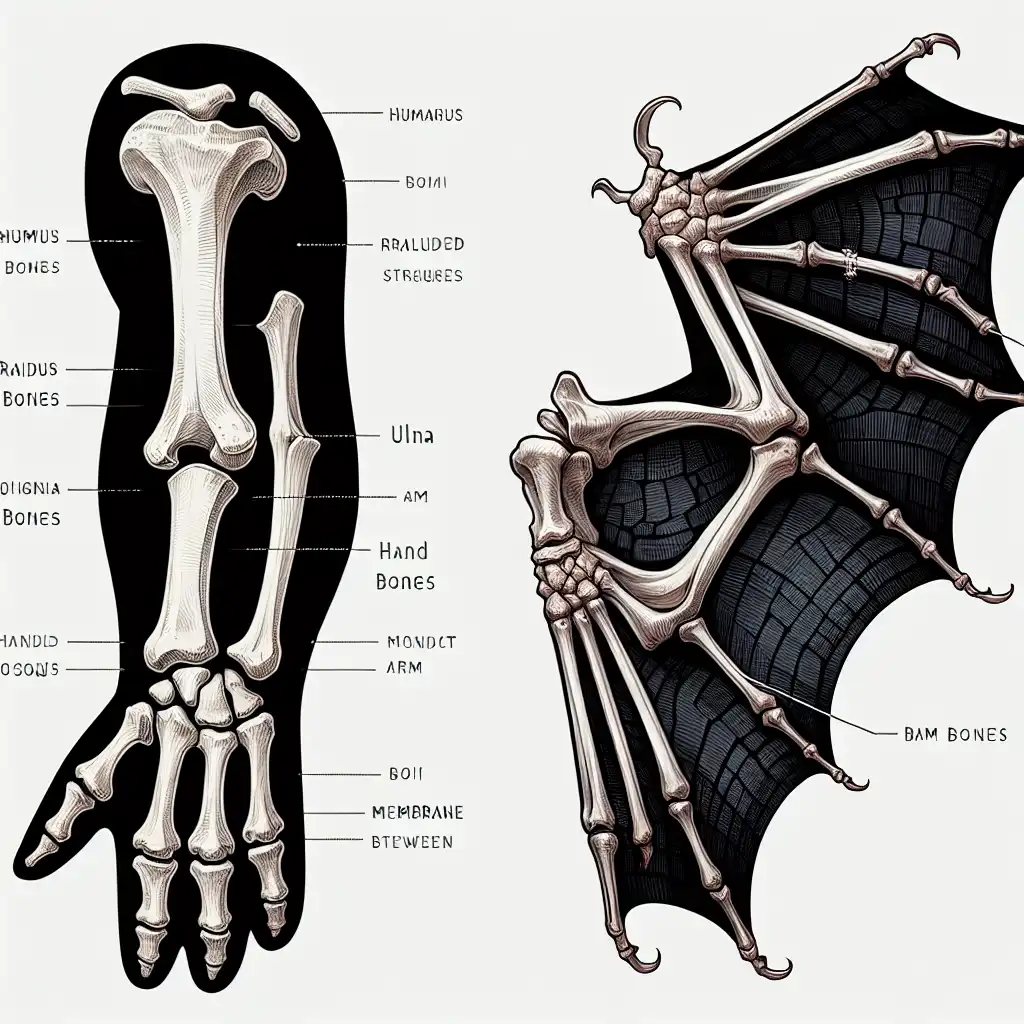
The wings of a bat and the arms of a human are homologous, meaning they have a similar structure.
homologous
həʊˈmɑːləɡəs
불러오는 중…
həʊˈmɑːləɡəs
Similar in position, structure, function, or characteristics.
The wings of a bat and the arms of a human are homologous, meaning they have a similar structure.
həʊˈmɑːləɡəs
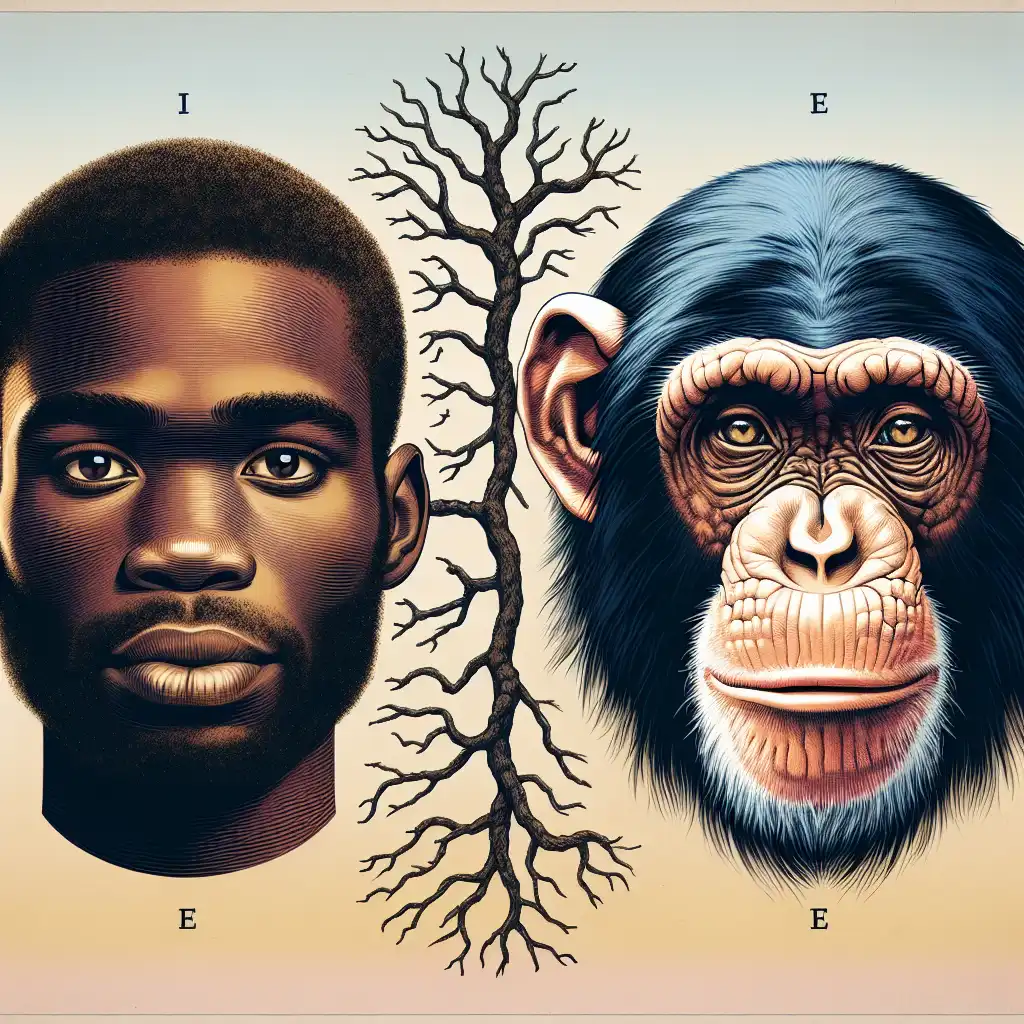
Derived from the same origin or source.
Human and chimpanzee DNA are homologous since they originate from the same evolutionary ancestor.
həʊˈmɑːləɡəs
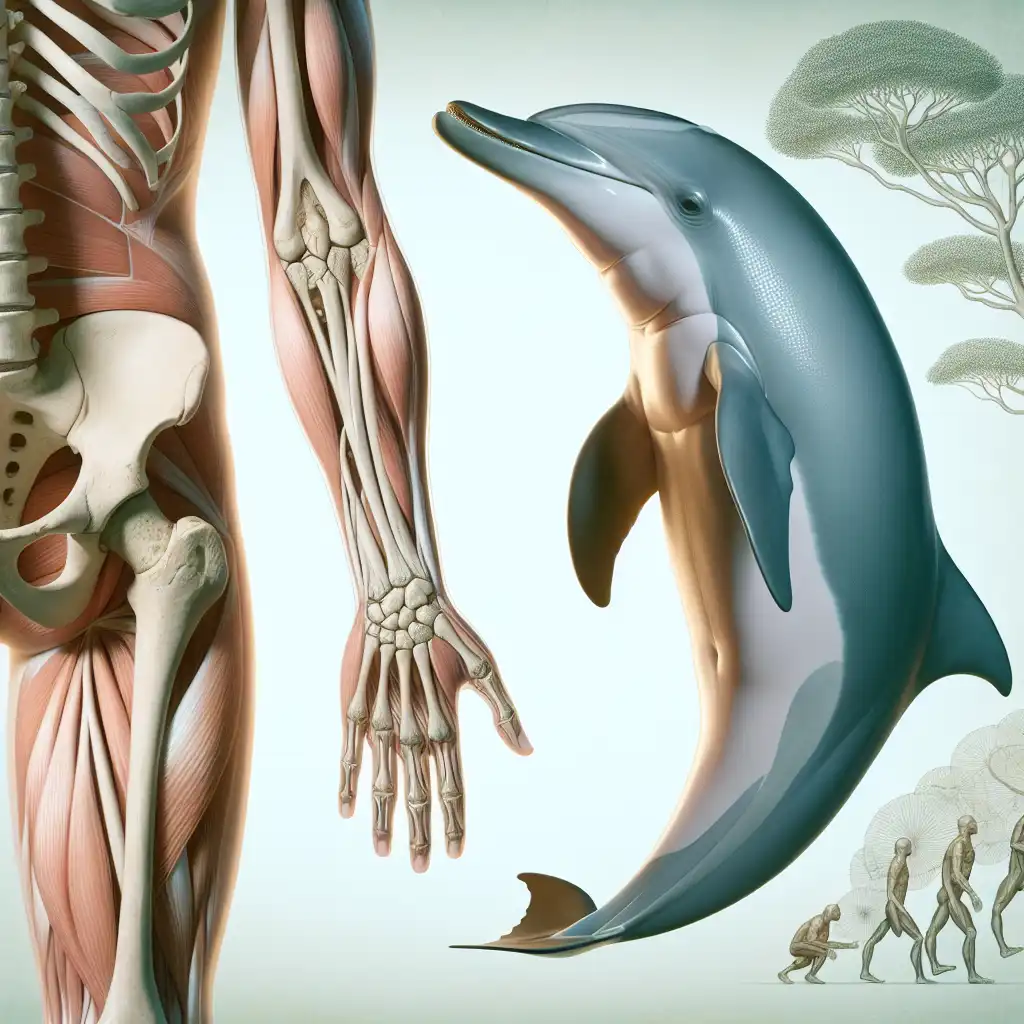
Describing things that have a similar position or structure because they are from the same ancestor.
The flippers of dolphins and the arms of humans are homologous - they have the same basic structure because they were inherited from a common ancestor.
오디오를 불러오지 못했어요. 잠시 후 다시 시도해 주세요.
The word "homologous" is used when things have similarities or are related in some way, usually in terms of structure or function. For example, if you compare the arms of a human, a dog, and a bird, they all have a similar bone structure, which means they are homologous. In biology, this term is often used to describe the similarity between different species' body parts or DNA sequences.
Akin and homologous both mean similar or alike, but they have different applications in science.
Akin usually describes things that are similar in form or nature, but may not necessarily share a common ancestry or evolutionary history.
For example, a bat's wings and a bird's wings are akin because they both allow flight.
So, while both words describe similarity, akin is more general and doesn't necessarily imply evolution, while homologous specifically refers to structures that share an evolutionary origin.
단어 열기: Akin →Compare means to examine the similarities and differences between two or more things. This can be applicable when trying to understand the characteristics of different things and how they relate to each other.
For example, one might compare the sizes of two different apples, or compare the behavior of two different bird species.
단어 열기: Compare →Consistent means that something always stays the same, doesn't contradict itself, and has a regular pattern. It's usually used to refer to behavior, actions, or opinions that follow a particular philosophy or a set of rules.
Consistent refers to things that are always the same or behave in a predictable way, while homologous refers to similarities between different organisms that indicate a common ancestry.
Consistent is applicable in human behavior, social sciences, and policy-making, while homologous is applicable in biology, zoology, and genetics.
단어 열기: Consistent →Correspond means that two things have similarities or similarities in function or meaning. For example, the wings of a bird and the wings of an airplane correspond because they both help with flight.
Correspond describes things that have similar functions or meanings, while homologous describes things that have a common origin and structural similarities.
단어 열기: Correspond →Equivalent means having the same value, amount, function, or meaning as something else. For example, in math, two fractions are equivalent if they have the same value, such as 1/2 and 2/4.
In chemistry, two substances are equivalent if they have the same chemical reaction or produce the same results.
Equivalent describes things that have the same value or function, while homologous describes things that have similar structures but may not have the same function.
단어 열기: Equivalent →Homologous refers to two things that have a similar structure or origin, but they may not be exactly the same. Identical, on the other hand, indicates that two things are exactly the same in structure or function.
However, the bones of one person may be larger or smaller than the bones of the other person. In this case, the bones are homologous but not identical.
Homologous refers to things with similar origins or structures, while identical means things that are exactly the same.
Homologous is typically used in biology to show the evolutionary relationship between organisms, while identical is used more generally to describe things that are the same in every way.
단어 열기: Identical →Relate means to connect or associate something with another thing, such as how a story can relate to a person's personal experiences.
Homologous describes similarities in structure or origin, while relate is used to connect or associate things in a broader sense.
단어 열기: Relate →Homologous refers to organs or structures that are similar in position, embryonic origin, and function between different organisms.
Similar refers to things that share some characteristics or qualities but may not necessarily have a common ancestry or evolutionary origin.
For example, the wings of birds and insects are similar in that they both enable flight, but they are not homologous because they have different embryonic origins and evolved independently.
Homologous refers to structures that have a shared ancestry and similar refers to structures that have similar functions or appearances but may not have a shared ancestry.
단어 열기: Similar →What happens when your...
YouTube에서 보기 ↗What you need to know...
YouTube에서 보기 ↗