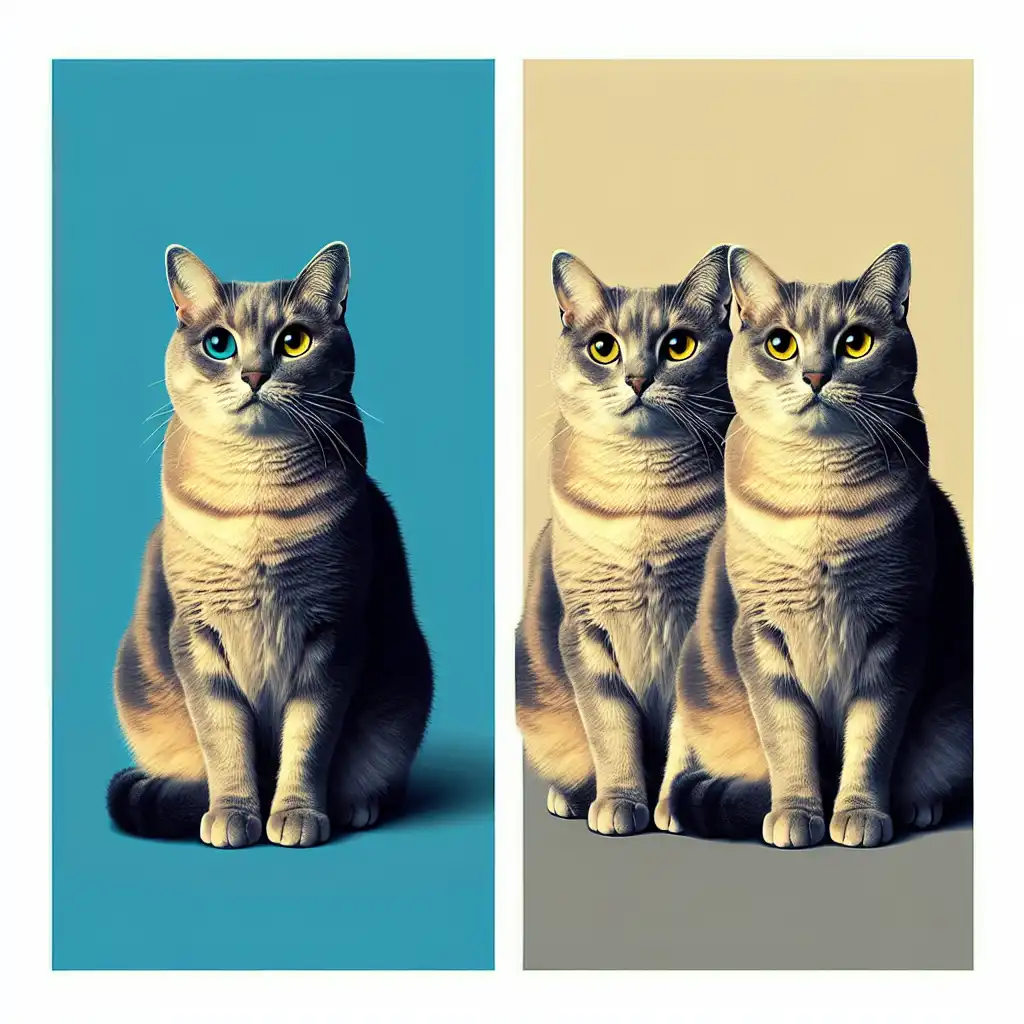
pluralize
verb pluralize
ˈplʊrəlaɪz
To make a word or term express more than one, usually adding 's' or 'es' at the end
In English, we pluralize 'cat' by adding an 's' to make 'cats'.
pluralize
ˈplʊrəlaɪz
Chargement…
ˈplʊrəlaɪz
To make a word or term express more than one, usually adding 's' or 'es' at the end
In English, we pluralize 'cat' by adding an 's' to make 'cats'.

ˈplʊrəlaɪz
To add more variety or diversity
The company is aiming to pluralize its central management team to bring in more perspectives.
Impossible de charger l’audio. Réessayez plus tard.
Pluralizing means to make a word, usually a noun, that refers to more than one person, animal, or thing. For example, the singular form of the word 'cat' means just one cat, but to describe more than one cat, you would use the plural form, which is 'cats'. You may need to use pluralizing when you want to talk about or refer to more than one thing. For instance, instead of saying "I have one car," you can say "I have two cars." In order to make the word 'car' refer to more than one, you add an 's' at the end, which makes it plural.In short, pluralizing means adding an 's' or 'es' at the end of a word to make it refer to more than one. It is a simple and necessary part of English language that helps differentiate between singular and plural noun forms.