
component
noun component
kəmˈpəʊnənt
A part of something bigger
The keyboard is just one component of a computer.
component
kəmˈpəʊnənt
Loading…
kəmˈpəʊnənt
A part of something bigger
The keyboard is just one component of a computer.
kəmˈpəʊnənt
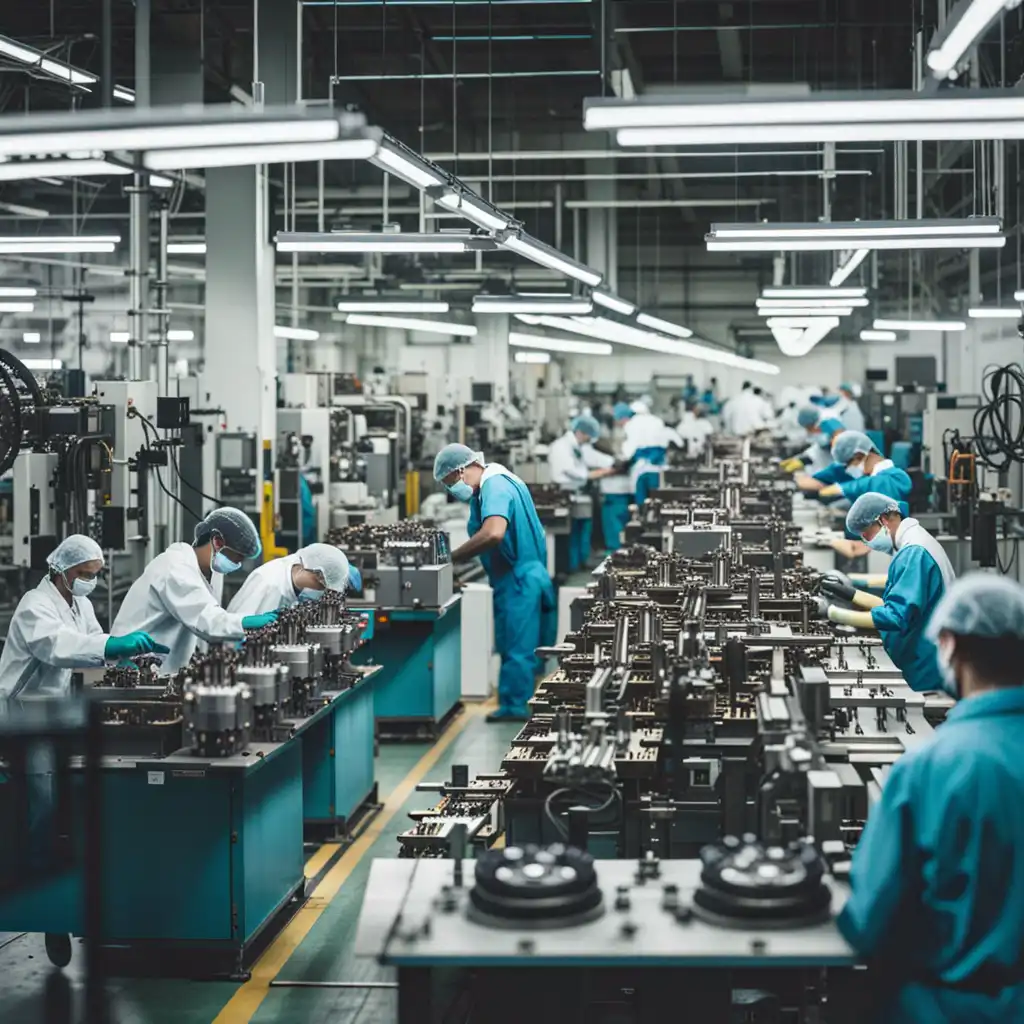
A piece of equipment or machinery that is part of a larger system
The factory produces electrical components for cars.

kəmˈpəʊnənt
Something that contributes to the effect or result
Exercise is an essential component of a healthy lifestyle.
kəmˈpəʊnənt
One of a set of independent variables in terms of which others may be expressed
In a vector, every component specifies the direction of the force.
kəmˈpəʊnənt
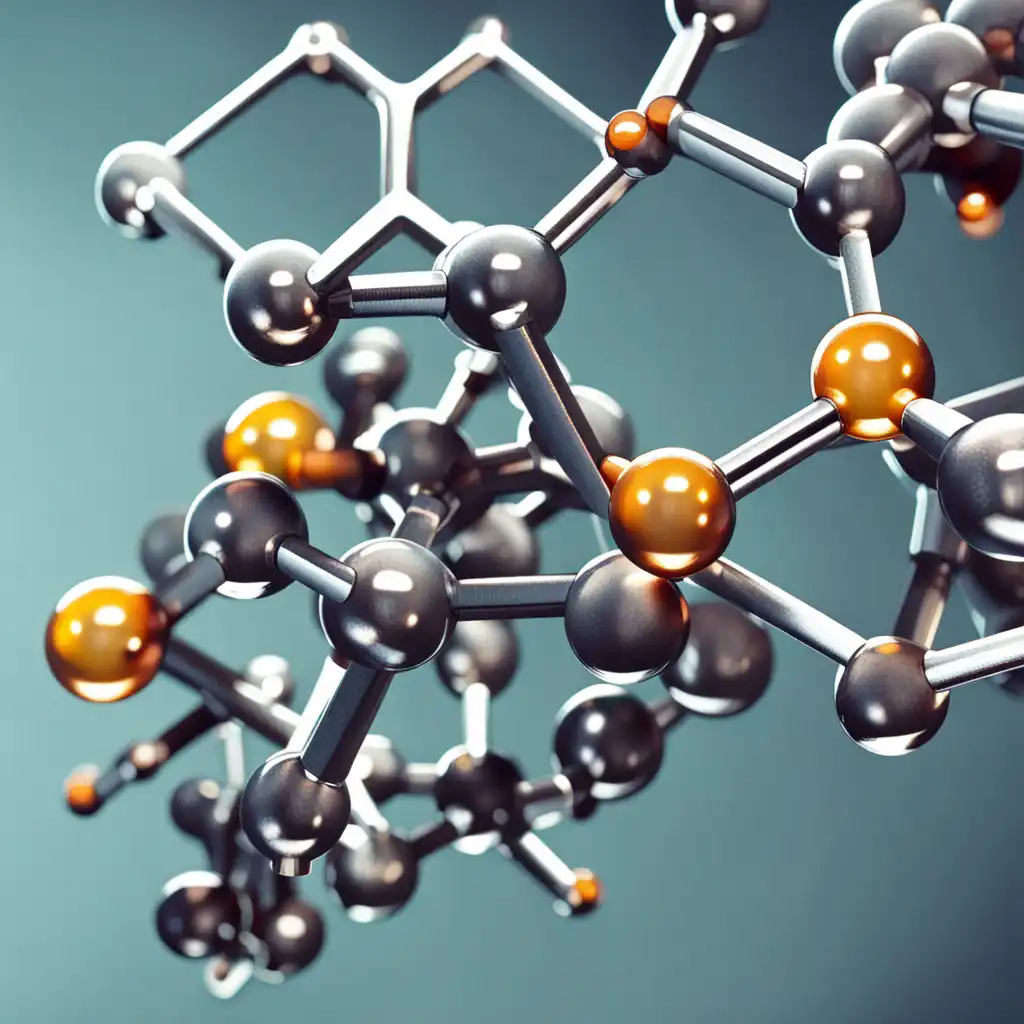
A distinct atom, molecule, or group of atoms that undergoes a chemical reaction
Ethanol is a component of alcoholic beverages.
Audio could not be loaded. Please try again later.
The word 'component' is used to describe a part or element of something larger. For example, if you have a computer, the keyboard, mouse, and screen are all components of the computer. In engineering, people use the word 'component' to talk about small parts that are used to build machines or products. So, if you are talking about something that is made up of many different parts or pieces, you can use the word 'component' to describe each individual part.
Constituent refers to an essential part or element that is necessary for the existence or operation of a larger entity.
It can also refer to a person who is represented by an elected official. For example, water is a constituent of living organisms, and voters are constituents of a political representative.
Component refers to a part of something, while constituent refers to a part that is necessary for that thing to function or exist.
Open word: Constituent →An element refers to a fundamental and indivisible part of something. For instance, the periodic table lists all the elements that make up the universe, such as oxygen and carbon.
In summary, while both words refer to parts of something, component implies a replaceable part of a machine or system, while element is an inherent and essential building block.
Open word: Element →In general, both component and factor refer to something that contributes to a larger whole.
- Factor is a broader term that can refer to physical or intangible elements that contribute to a particular outcome.
For example, factors that contribute to economic growth might include government policies, natural resources, and education levels.
Factor is used more broadly across different fields and subject areas.
Overall, both words are useful for discussing how different parts or elements come together to create a larger whole, but component tends to focus more on tangible parts while factor can be used more broadly.
Open word: Factor →Ingredient refers to a substance that is used to make something, typically a food or a product. For example, the ingredients of a chocolate cake might include flour, sugar, eggs, butter, and cocoa powder.
These ingredients are combined to make a delicious cake.
So, in summary, components are parts of a whole, while ingredients are substances used to make something. Both words are applicable in different situations - components are used when referring to machines or structures, while ingredients are used when referring to food or products.
Open word: Ingredient →Both component and module refer to parts of a larger system, but there are some subtle differences in their meanings.
A module is a functionally independent part of a system that cannot be replaced without affecting the overall functionality of the system.
For example, the disk drive in a computer is a module because without it, the computer cannot function properly.
In general, components are more interchangeable and can be mixed and matched, while modules are more specific and integral to the overall system.
Open word: Module →Both component and part are used to describe pieces that make up a whole.
However, component is a more technical term that is often used in reference to machines, electronics or mechanical equipment, whereas part is a more general term that can be used in many contexts.
For example, a computer might have various components such as a motherboard, a processor, and a hard drive. Each of these pieces is an essential part of the overall machine.
Part can be used in a wider variety of situations, such as when referring to a part of a story or part of a project.
For example, if someone is building a model airplane, they might need to buy individual parts such as the wings, fuselage or propeller.
In summary, both terms refer to portions of a larger entity, but component is more specific and is often used in technical or mechanical contexts, while part has a broader usage and can be applied to various situations.
Open word: Part →The words component and piece both refer to a part of something bigger.
Piece can refer to any part, whether it is important or not. For example, a puzzle has many pieces, and while each piece is necessary to complete the puzzle, some pieces may be more important than others.
Component is used more specifically to refer to an important or essential part of something, while piece is a more general term that can be used to refer to any part.
Open word: Piece →A section is a segment or part of something larger that has been divided up for organizational or structural purposes. For example, a book may have different sections, such as an introduction, chapters and conclusion.
The term component is more commonly used in technical or engineering contexts, while section is more commonly used in literary, academic or organizational contexts.
Open word: Section →A unit refers to a complete and self-contained entity that can perform a specific function independently. It usually consists of several components working together to achieve a specific purpose.
For example, a laptop computer is a unit that includes components such as the screen, keyboard, battery, and motherboard.
A component is a part of a larger system while a unit is a complete entity that can function independently. Components are applicable in larger systems where they work together to achieve a specific purpose while units are applicable where a complete and self-contained entity is required.
Open word: Unit →Or imagine that instead of seeking constructive feedback about your performance, you instead told everyone who tried to help you that they were wrong. So what causes narcissism? Twin studies show a strong genetic component, although we don't know which genes are involved.
Watch on YouTube ↗Governments will always play a huge part in solving big problems. They set public policy and are uniquely able to provide the resources to make sure solutions reach everyone who needs them. They also fund basic research, which is a crucial component of the innovation that improves life for everyone.
this could become a feasible reality. Or how about a factory production line where component parts can be moved around seamlessly on a bed of sound so there's no manipulation no hands and no tools? A real-life sonic screwdriver could be closer than you think.
Watch on YouTube ↗The components of anxiety, stress, fear, and anger do not exist independently of you in the world. They simply do not exist in the physical world, even though we talk about them as if they do.
Go back to your city. Find those people. "You need some help? I'll help you out." Find those people. They're there. Bring them together with law enforcement the private sector and the city, with the one aim of reducing violence, but make sure that that community component is strong.
Watch on YouTube ↗Oil is a very important component of economic growth.
These structures help govern sensations, weight regulation energy and instinctual behaviors, such as eating drinking and having sex. The brain's four main components,
Watch on YouTube ↗I do think there is an important artistic component in what we do. As a technology company I've tried to really stress that.
systems which essentially means starting from nonliving components and that may sound strange at first but if you think about things that have already been done in the artificial intelligence community or even with robotics essentially what these people are doing our building lifelike technologies but they began
Watch on YouTube ↗You look at the world around you, and you take it apart into all its components. Then you take some of those components, throw them away, and plug in different ones, start it up and see what happens.
a thick flexible layer made of fats and proteins, that surrounds and protects the inner components. It's semipermeable, meaning that it lets some thing pass in and out but blocks others. The cell membrane is covered with tiny projections. They all have functions, like helping cells adhere to their neighbors
Watch on YouTube ↗I'm really interested in trying to tell stories about women that don't involve romantic components. That's so much a part of the way we feel about female characters and their needs that it feels like it's built in - but I'd like to find a way that it's not. There are so many more stories than that.
The forest can stay resilient and recover from change. But that's not true in every case. In some environments taking away just one important component can undermine the entire system. Take coral reefs for instance.
Watch on YouTube ↗A vocal producer is very important, and it's a very important component of an overall successful and good-sounding record.
so how can they turn out so different even in traits that have a significant genetic component? For instance why might one twin get heart disease at 55, while her sister runs marathons in perfect health? Nature versus nurture has a lot to do with it,
Watch on YouTube ↗I have a responsibility to diversity onstage, but one of the things I've heard about our production of 'Boys' is that it's a bunch of white guys. Well, race is a component of this play. You can't just drop people in willy-nilly and say, 'Well, we're going for diversity.
First of all it's tempting to think of a cell membrane like the tight skin of a balloon, but it's actually something much more complex. In reality it's constantly in flux, shifting components back and forth to help the cell take in food, remove waste,
Watch on YouTube ↗Components are important in the evolution of cars, and there is increasing need for electronics.
Other critical components included platforms and trusses to support radiators that direct all the heat generated by the station's electronics into space and solar panels that are efficient enough to power 55 homes.
Watch on YouTube ↗At the quarterback position I would say mental is just as important as physical. Then there's that emotional component too.