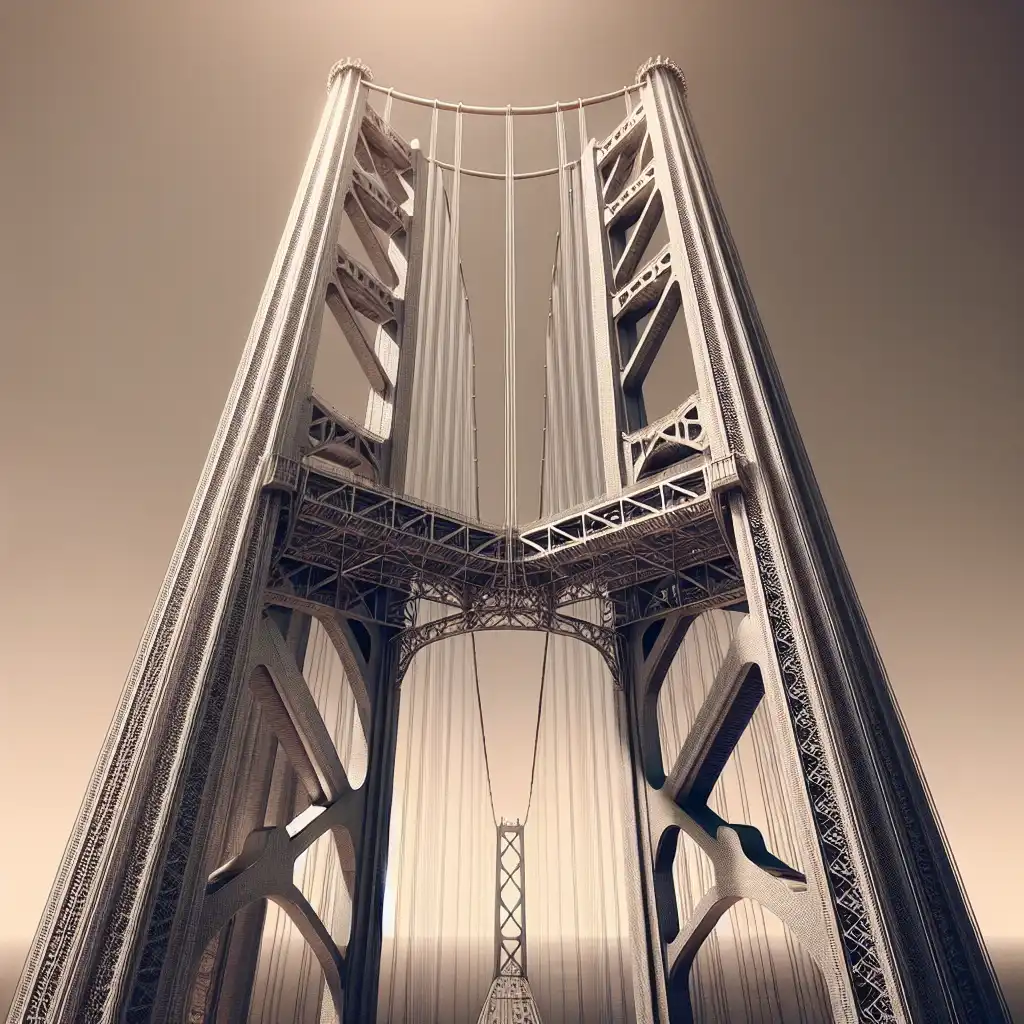
pylon
noun pylon
ˈpaɪlɑːn
A tall structure that is used to support or connect things like power cables or bridges.
The new bridge is held up by several large pylons.
pylon
ˈpaɪlɑːn
불러오는 중…
ˈpaɪlɑːn
A tall structure that is used to support or connect things like power cables or bridges.
The new bridge is held up by several large pylons.

ˈpaɪlɑːn
A part of an aircraft or spacecraft that holds engines, equipment, or weapons.
The aircraft's engines were mounted on pylons under the wings.
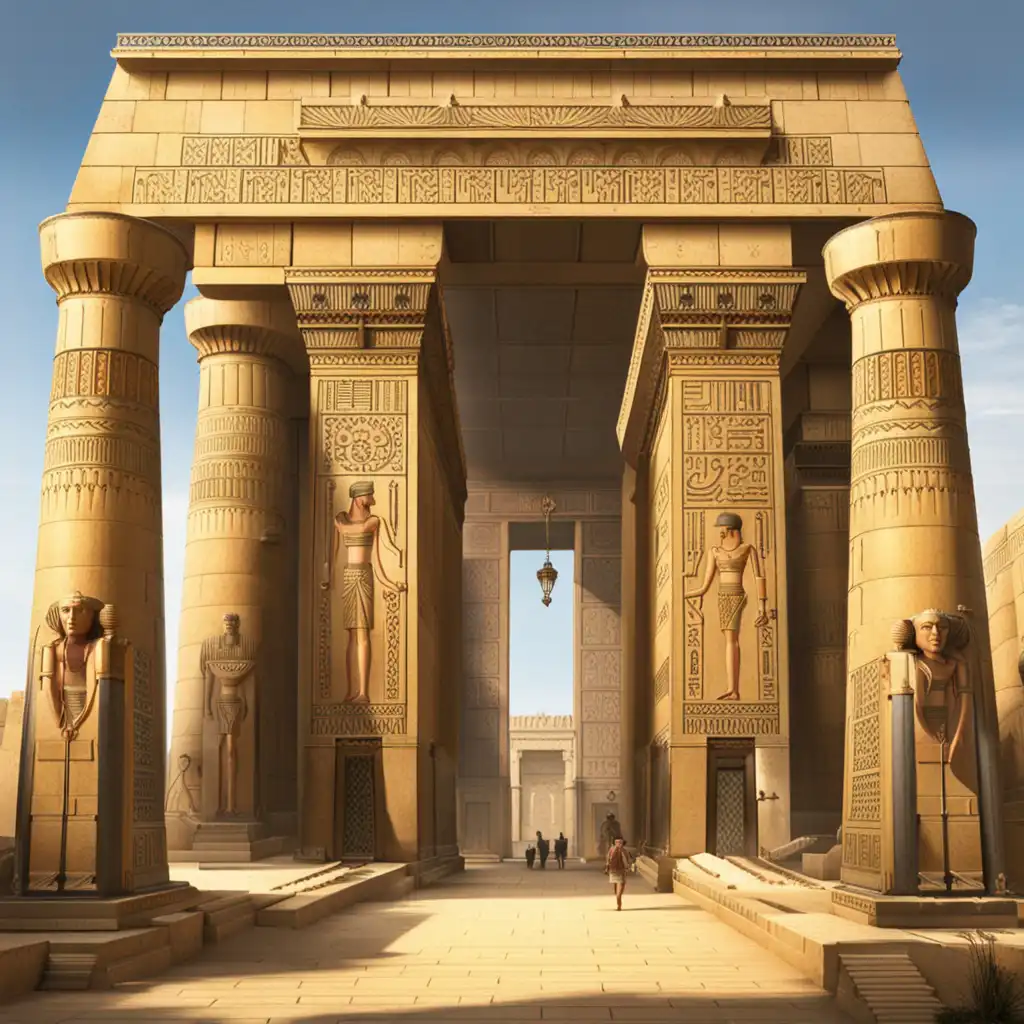
ˈpaɪlɑːn
A gateway or entrance marker, especially in ancient Egyptian architecture.
The temple in Luxor, Egypt, is a magnificent example of an Egyptian pylon.

ˈpaɪlɑːn
An upright marker or post used in automobile or air races.
During the race, the pilots had to navigate around several pylons.
오디오를 불러오지 못했어요. 잠시 후 다시 시도해 주세요.
A pylon is a tall structure that is generally used to hold up power lines or other cables. You might see pylons along the side of a highway or in a field, and they are often made of metal or concrete. The word "pylon" is also sometimes used to refer to a marker or boundary, such as in sports like soccer or football, where the pylons mark the sidelines of the playing field.
A beam is a horizontal structure used to support weight or transmit a load across a space.
A beam is commonly used in construction to create floors, roofs, and bridges.
A beam is a horizontal structure used to support weight or transmit a load, while a pylon is a vertical structure used to support overhead cables.
단어 열기: Beam →A column is a vertical structural element that is used to support a load.
Columns can be decorative or functional, and can be found in various shapes and sizes.
In summary, columns are used in buildings and structures as vertical support elements, while pylons are used to support transmission lines or electrical cables.
단어 열기: Column →A mast is a tall pole or structure that is built to support and provide stability for structures such as sails or antennas.
Masts are typically found on sailing ships, sailboats, and tall buildings that require support for antennae or other equipment.
A mast is used to support sails or antennae on ships or tall buildings, while a pylon is used to support heavy loads such as power lines or bridges.
단어 열기: Mast →A pillar is a vertical structure or column that supports weight, like the pillars holding up a roof or a bridge. They can also be used for decorative purposes, like the pillars in a building's entrance.
A pillar is a vertical support structure, while a pylon is a tall structure used to support cables or wires. Pillars are usually used in construction or architecture, while pylons are used in infrastructure or engineering.
단어 열기: Pillar →A pole is a long, slender piece of wood or metal that is used to support something, such as a fence or a flag. It is also commonly used to refer to the wooden or metal structures that carry power and communication lines.
They are much larger, stronger, and more durable than poles, and are specifically designed to carry heavy loads.
In general, poles are used to support smaller, lighter loads such as signs or lights, while pylons are used for heavier loads such as power transmission lines.
Pylons are also typically used in more remote areas where there are fewer obstacles, while poles are used in urban or suburban settings where space is limited.
단어 열기: Pole →A post is a vertical structure usually made of wood or concrete, commonly used to support a fence or a building. A pylon is a tall and slender metal tower used to support high tension electric cables and transmit electrical energy over long distances.
A post is used for support as a part of building structures or boundary fences whereas a pylon is used to support large power transmission lines.
단어 열기: Post →A stanchion is a smaller, more versatile post used to hold up things like fences, ropes or signs.
Pylons are typically much larger and more heavy-duty than stanchions, and are often made of concrete or steel to withstand heavy loads and harsh weather conditions.
Stanchions are generally smaller and more lightweight than pylons, and are often made of materials like wood or plastic.
They're often used at events or in public spaces to control crowds, direct traffic or provide guidance. For example, stanchions might be used to hold up a rope line at a museum or to indicate the start and finish of a race.
In summary, while both pylons and stanchions are used to hold things up, they have different sizes and applications: pylons for larger-scale infrastructure and stanchions for crowd control or signaling in public spaces.
단어 열기: Stanchion →A tower is a broader term that can refer to a wide variety of tall, freestanding structures. These can be used for a range of purposes, from supporting antennas or telecommunications equipment to providing observation platforms or serving as landmarks.
So, while both pylons and towers are tall structures, they serve different purposes. Pylons are used specifically for supporting power lines, while towers can serve a variety of different functions.
단어 열기: Tower →Nature Dates: Jack...
YouTube에서 보기 ↗Worldwide, enormous areas of peatland are still being lost to agricultural development, drainage schemes, overgrazing, and exploitation-based infrastructure development projects such as roads, electricity pylons, telephone masts and gas pipelines.
The 5 Musketeers Eat...
YouTube에서 보기 ↗I'm a little biased, but the 9 looks good on top of the scoring pylon.
Vultures: The...
YouTube에서 보기 ↗I live on a farm in Dorset. The nearest neighbour is a quarter of a mile away. It's really quiet, with an amazing view - can't see a pylon, can't see a road. Blockbuster's an event in our house, when the little blue envelope comes in.
Krista Donaldson: The...
YouTube에서 보기 ↗