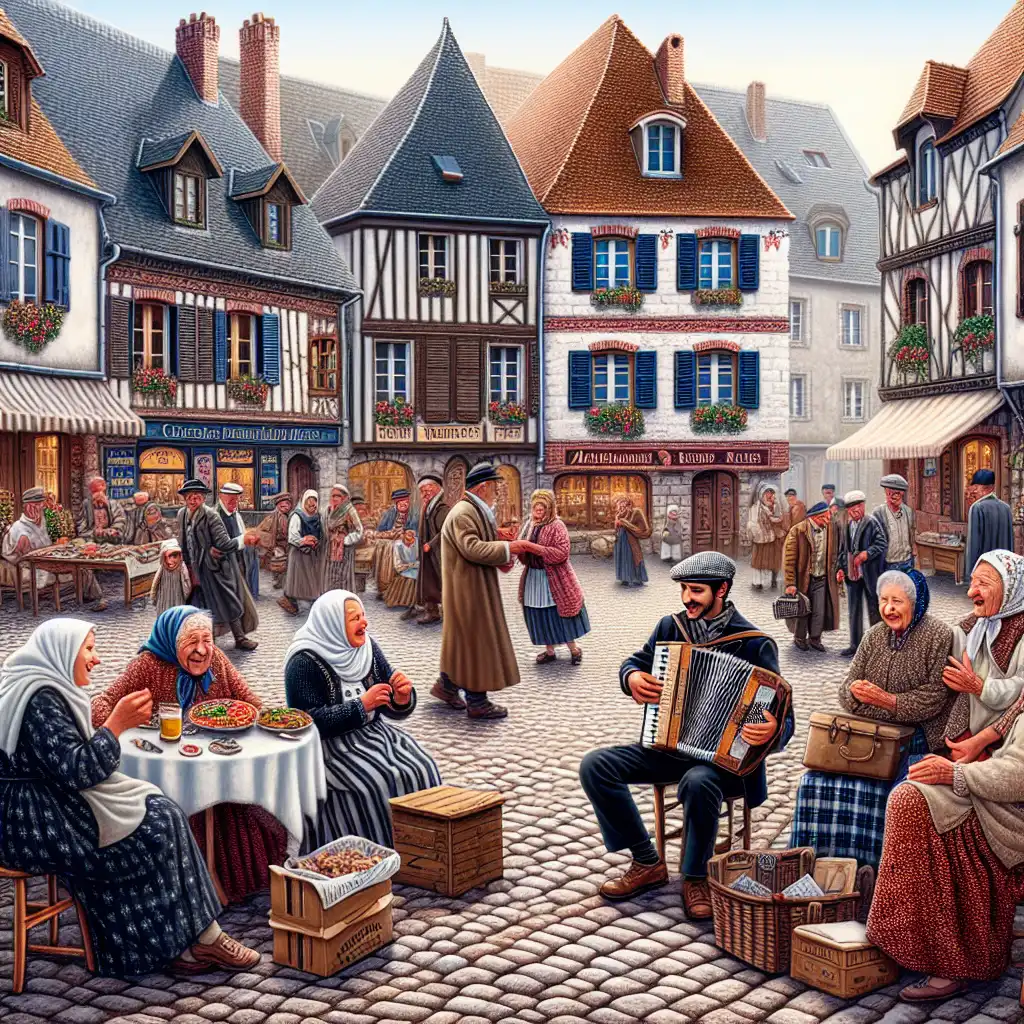
The word provincialism is used to describe someone who has opinions or beliefs that are limited only to their own region or area. It means that they are not open to learning about or understanding other cultures or perspectives outside of their own. For example, a person who lives in a small town and only knows about the local customs and way of life, and isn't interested in learning about the world outside of their town, could be considered provincial. It is important to avoid provincialism by being open-minded and willing to learn about different cultures and ways of life.
Insularity and provincialism are both words used to describe a narrow or closed-minded way of thinking.
Insularity refers specifically to the idea of being isolated or cut off from the rest of the world. This could be due to physical distance, cultural differences, or even a lack of interest in learning about other ways of life.
Insularity is often associated with small communities or islands that are far away from larger cities or other countries.
Insularity refers to physical isolation, while provincialism refers to cultural isolation. Both words describe a narrow or closed-minded way of thinking, but in slightly different contexts.
However, parochialism usually refers to a narrow-mindedness that stems from a person's limited experiences or exposure to the world, while provincialism often refers to a narrow-mindedness that stems from a person's loyalty or attachment to their particular region or community.
Parochialism is limited thinking resulting from a lack of exposure to other cultures, while provincialism is limited thinking resulting from a strong loyalty to one's own local culture.
Xenophobia is a fear or hatred of foreign people or cultures. It involves being excessively afraid or hostile towards people who are perceived as different or foreign.
I think provincialism is an endemic characteristic with mankind, I think everybody everywhere is provincial, but it is particularly striking with Texans, and we tend to be very Texcentric.
Eudora Welty's 'A Curtain of Green' had an enormous effect on me. But my early attempts to graft stories from the Deep South onto North of England provincialism were not successful. All were rejected.