airless
adjective airless
ˈerləs
Đang tải…

ˈerləs
Lacking freshness, vitality, or originality
The meeting was airless and boring.

ˈerləs
Relating to a type of pneumatic tyre that cannot go flat because it does not contain any air
They decided to switch to airless tyres for the off-road trip.
Không tải được âm thanh. Vui lòng thử lại sau.
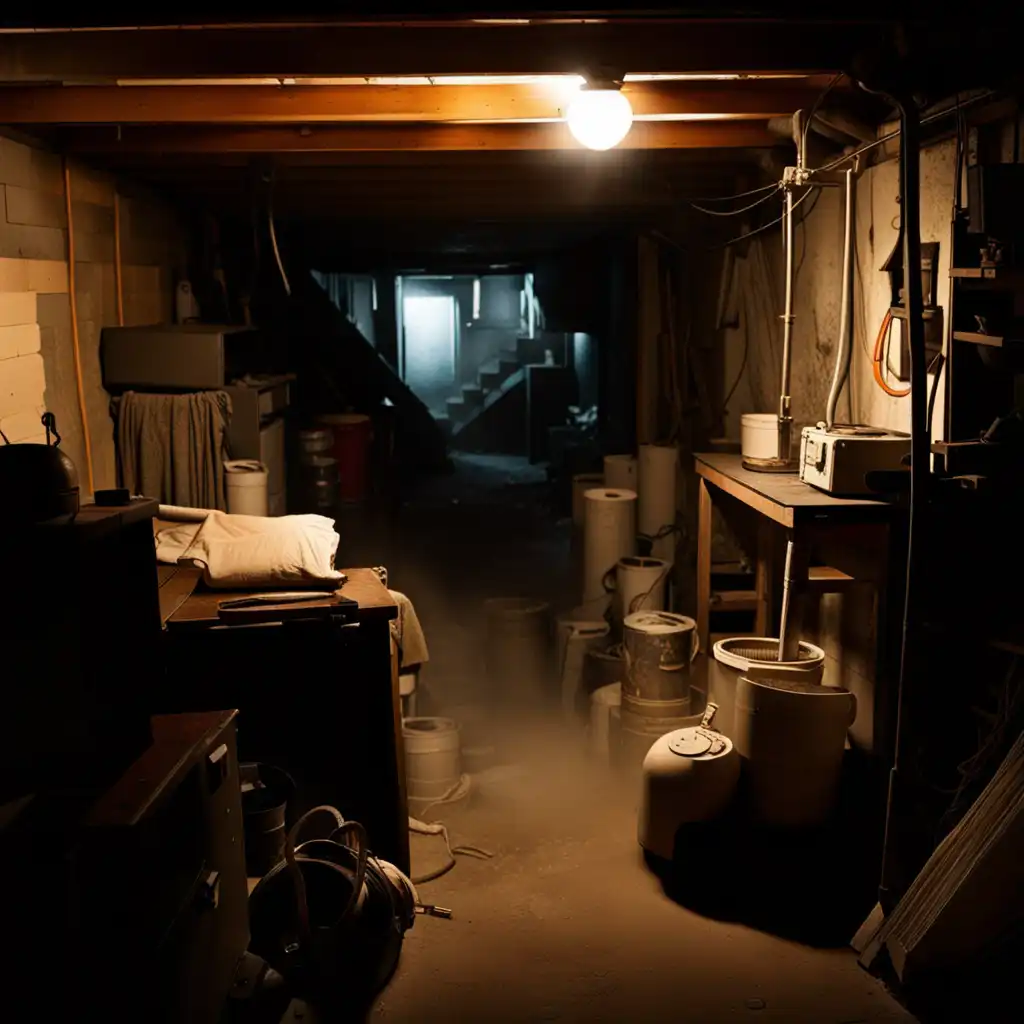
The word 'airless' is used to describe a space or environment that lacks air or ventilation. For example, a room that has been closed for a long time without any windows open can feel hot, stuffy and airless. This word can also be used to describe a tire or balloon that has lost its air and is no longer inflated. When describing something that is airless, it can be helpful to also explain why it is important for things to have air or ventilation, such as for breathing or to prevent overheating.
Airless means lacking or without air, while the word hot means having a high temperature.
Hot is applicable in situations where there is a high temperature, such as on a hot summer day or when cooking food on a stove.
Airless describes the absence of air, while hot describes a high temperature.
Mở từ: Hot →Humid describes a place or a situation where there is a lot of moisture in the air.
Airless refers to a lack of air while humid refers to an excess of moisture in the air.
Mở từ: Humid →Muggy refers to a situation where the air is hot and humid, making it feel damp and uncomfortable.
Airless refers to a lack of fresh air, while muggy refers to a high level of humidity making the air feel damp and sticky.
Mở từ: Muggy →Airless means there is no air or ventilation, while oppressive means something is causing discomfort or strain.
Oppressive is applicable when talking about something that is causing discomfort or strain, especially when it comes to the weather or politics.
For example, oppressive heat or an oppressive government can both cause stress and discomfort.
Mở từ: Oppressive →Airless means without air, and stagnant means not moving.
Stagnant would apply to a liquid or gas that is not moving, such as a stagnant pond or a stagnant air in a room with poor ventilation.
It can also be used metaphorically to describe something that is not progressing or changing, such as a stagnant career or a stagnant relationship.
Mở từ: Stagnant →Stifle refers to the act of suffocating or suppressing something.
For example, someone may stifle their laughter in a solemn situation.
Airless describes a lack of air, while stifle describes the act of suppressing or suffocating something.
Mở từ: Stifle →Stuffy means that the air in the room feels stagnant or stale, like it hasn't been refreshed or circulated. It could feel uncomfortable or muggy.
Airless means there is no air, while stuffy means the air feels stale or unrefreshed.
Mở từ: Stuffy →Suffocate means to be unable to breathe, usually due to a lack of air or the presence of harmful gases.
Airless refers to a lack of air or freshness, while suffocate is the act of being unable to breathe.
Mở từ: Suffocate →Leyla Acaroglu: Paper...
Xem trên YouTube ↗Working is bad enough in the winter, but in the summer it can become completely intolerable. Stuck in airless offices, every fibre of our being seems to cry out for freedom. We're reminded of being stuck in double maths while the birds sing outside.
Even by the diverse standards of Saturn's satellites, Enceladus was an outlier. Its icy surface was as white and bright as fresh snow, and whereas the other airless moons were heavily pocked with craters, Enceladus was mantled in places with extensive plains of smooth, uncratered terrain, a clear sign of past internally driven geologic activity.
The House Rules Committee is perhaps the free world's outstanding bureaucratic abomination - a tiny, airless closet deep in the labyrinth of the Capitol where some of the very meanest people on earth spend their days cleaning democracy like a fish.