seagoing
adjective seagoing
ˈsiːɡəʊɪŋ
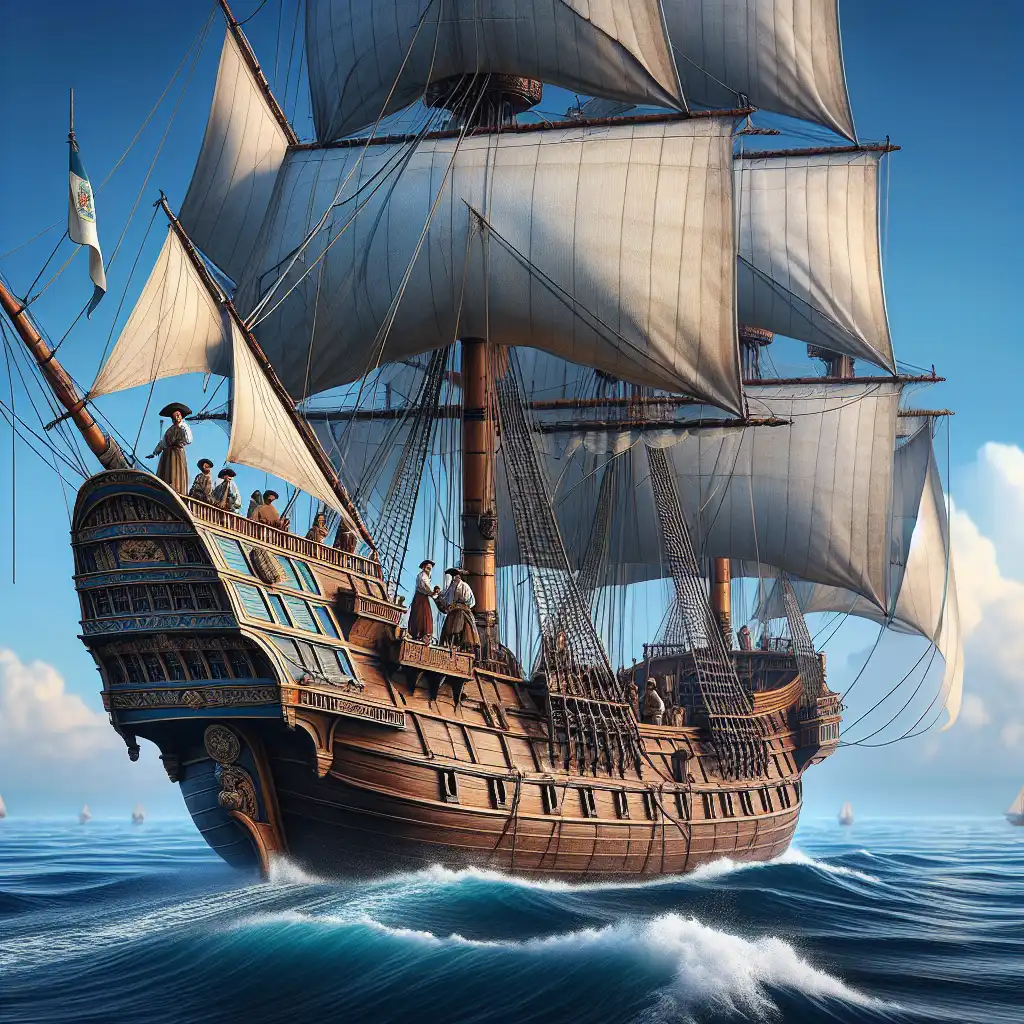
Suitable or designed for travel or activity at sea.
The company operates several seagoing vessels.
seagoing
ˈsiːɡəʊɪŋ
読み込み中…
ˈsiːɡəʊɪŋ
Suitable or designed for travel or activity at sea.
The company operates several seagoing vessels.

ˈsiːɡəʊɪŋ
Experienced, skilled, or fond of sea life or travel.
He’s always been a seagoing man.
音声を読み込めませんでした。しばらくしてからもう一度お試しください。
Seagoing is used to describe things that are designed to operate or travel on the sea, like ships or boats. It can also refer to people who work or travel on the sea, like sailors or fishermen. So, for example, you might say "This seagoing vessel can withstand huge waves and storms," or "My uncle had a long and rewarding career as a seagoing merchant marine."
Aquatic refers to anything related to water, no matter the type.
It can include freshwater, brackish water, and seawater. For example, fish and plants that live in a lake or river are aquatic.
In simpler terms, aquatic is a more general term that can refer to anything associated with water, while seagoing is a more specific term that only applies to things that operate on the sea.
単語を開く: Aquatic →Marine generally refers to things related to the sea or ocean, such as marine life, marine science, or marine transportation.
Marine is a broader term that encompasses everything related to the sea, while seagoing is more specific and refers to things or vessels that can actually travel on the sea.
In terms of usage, marine is more commonly used in general conversation or in academic contexts, while seagoing is more commonly used in the context of transportation or boating.
単語を開く: Marine →Maritime refers to things related to the sea or ocean, such as marine life, ports, and trade routes.
It can also refer to legal and political issues related to the sea, such as maritime law or the maritime industry.
Maritime is more broad and can encompass a wide range of topics related to the sea, while seagoing specifically refers to things that are used for travel or transportation on the sea.
単語を開く: Maritime →Nautical refers to anything related to ships, sailors, or navigation at sea.
It describes things like nautical charts, nautical flags, or nautical instruments.
Nautical refers to the culture and practice of sailing, while seagoing refers to the physical capabilities of a vessel to travel on the sea.
単語を開く: Nautical →Salt refers to a white crystalline compound that is commonly used for flavoring and preserving food.
Salt is applicable in the context of food and minerals, while seagoing is applicable in the context of transportation and travel on the sea.
単語を開く: Salt →Seafaring refers to the act of working or traveling on a sea vessel or ship, while the word seagoing refers to a vessel or ship that is capable of traveling on the sea.
For example, a sailor who works on a ship is engaging in seafaring, while a container ship that is designed to travel on the sea is considered seagoing.
Seafaring refers to the activity while seagoing refers to the object.
単語を開く: Seafaring →made up of adults more than 30 tons of seagoing force killer whales have been known to attack these leviathans but they do so very rarely it's the next wave they're waiting for coming up the
YouTube で見る ↗Right whales - so named because they were 'the right whale to kill' - grazed the waters off Nantucket as if they were seagoing cattle, straining the nutrient-rich surface of the ocean through the bushy plates of baleen in their perpetually grinning mouths.