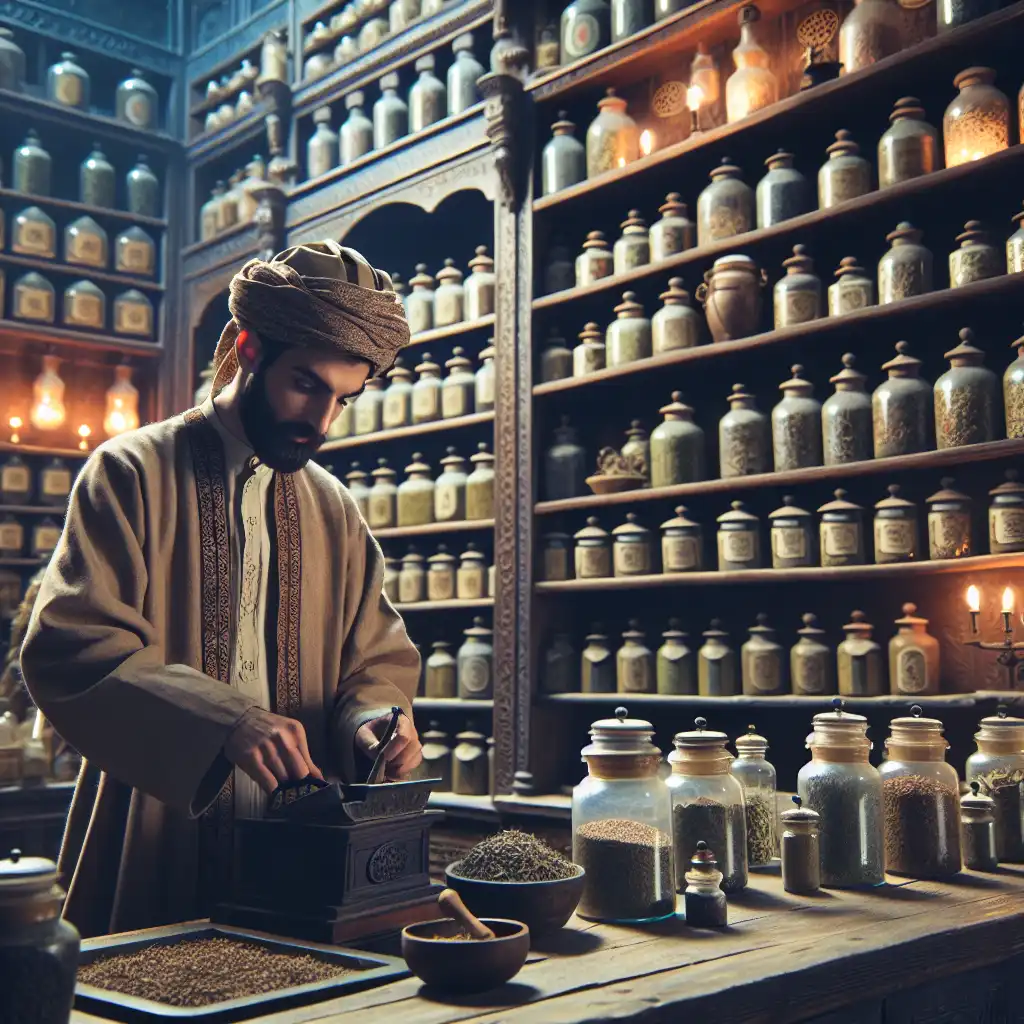
apothecary
noun apothecary
əˈpɑːθəkeri
A person who prepares and sells medicines and drugs
The town's apothecary can help with your medical needs.
apothecary
əˈpɑːθəkeri
Đang tải…
əˈpɑːθəkeri
A person who prepares and sells medicines and drugs
The town's apothecary can help with your medical needs.

əˈpɑːθəkeri
A pharmacy or drugstore
Please pick up the prescription from the apothecary.
Không tải được âm thanh. Vui lòng thử lại sau.
Apothecary is an old-fashioned word that was used to describe someone who sold medicines and drugs in the past. Today, we mostly use the word pharmacist to describe someone who fills prescriptions and sells over-the-counter medications. However, apothecary is still used in some old books, movies, and historical contexts. It can also refer to a shop that sells herbs, powders, and potions.
A botanist is a scientist who studies plants and their properties. They may identify and classify different types of plants or study the chemicals and compounds found within them.
Botanists often work in a lab or in the field, collecting samples and conducting experiments to better understand plant function and behavior.
An apothecary is someone who uses plants and other ingredients to make medicine, while a botanist is someone who studies plants to better understand their properties and how they work.
Mở từ: Botanist →Apothecary and chemist are both words used to refer to people who work with medicines and drugs, but they have different historical meanings and connotations.
Chemist is a more modern term that is used today to refer to people who work in the chemical industry, as well as pharmacists who work in modern drugstores.
Chemists are more likely to work with synthetic or laboratory-made drugs, and they might be involved in scientific research or the development of new drugs.
So, while both apothecaries and chemists work with medicines and drugs, the term apothecary is more associated with traditional, natural remedies and the term chemist is more associated with modern, scientific medicine.
Mở từ: Chemist →Apothecary and dispenser are both related to the field of pharmacy, but they have different meanings.
A dispenser is a general term for someone who dispenses medication, whether it's from a pharmacy, hospital, or other health care setting.
Apothecary refers specifically to a type of pharmacy that prepares custom-made medication, while dispenser is a more general term for someone who dispenses medication in any health care setting.
Mở từ: Dispenser →Both apothecary and druggist were historically used to describe people who prepared and sold medicines.
In contrast, the term druggist typically refers to someone who prepared and dispensed medications that were chemically synthesized in a laboratory.
Today, both terms are rarely used in everyday language. In modern times, a pharmacist is the person who fulfills the roles of both apothecary and druggist, preparing and dispensing medications as well as providing guidance on their use.
Mở từ: Druggist →An herbalist is someone who specializes in the study and use of plants for medicinal purposes. They use herbs and plants to create remedies that can help with a variety of health issues.
So, while both deal with natural remedies and herbs, the main difference is that an apothecary focuses on the preparation and dispensing of medications, while an herbalist specializes in the use of plants for medicinal purposes.
An apothecary may sell some herbs, but an herbalist is more likely to have extensive knowledge of the properties and uses of a wide variety of plants.
Mở từ: Herbalist →A pharmacist is a healthcare professional who specializes in the preparation and dispensing of drugs or medications. They also provide advice on medication use, side effects, and interactions with other medicines.
So, while both terms refer to people involved in the preparation and dispensing of medicine, apothecary is an old-fashioned term, while pharmacist is the modern term still in use today.
Mở từ: Pharmacist →How we conquered the...
Xem trên YouTube ↗This is alchemy, and this is the office of Vulcan; he is the apothecary and chemist of the medicine.
Africa’s rhyming history...
Xem trên YouTube ↗Eighteenth-century doctors prescribed sugar pills for nearly everything: heart problems, headache, consumption, labor pains, insanity, old age, and blindness. Hence, the French expression 'like an apothecary without sugar' meant someone in an utterly hopeless situation.