ploughman
noun ploughman
ˈplaʊmən
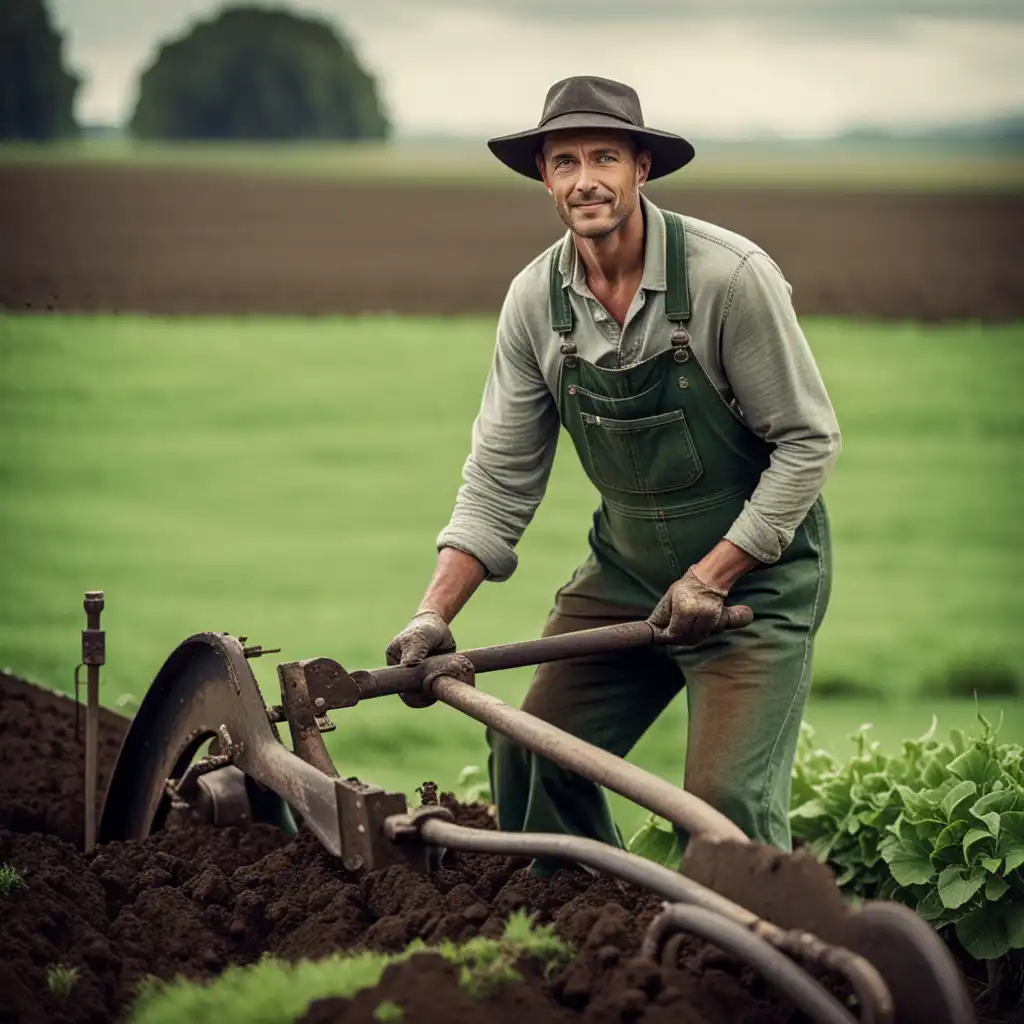
A man who ploughs the land or manages the plough.
The ploughman has been working the fields since morning.
ploughman
ˈplaʊmən
読み込み中…
ˈplaʊmən
A man who ploughs the land or manages the plough.
The ploughman has been working the fields since morning.
ˈplaʊmən
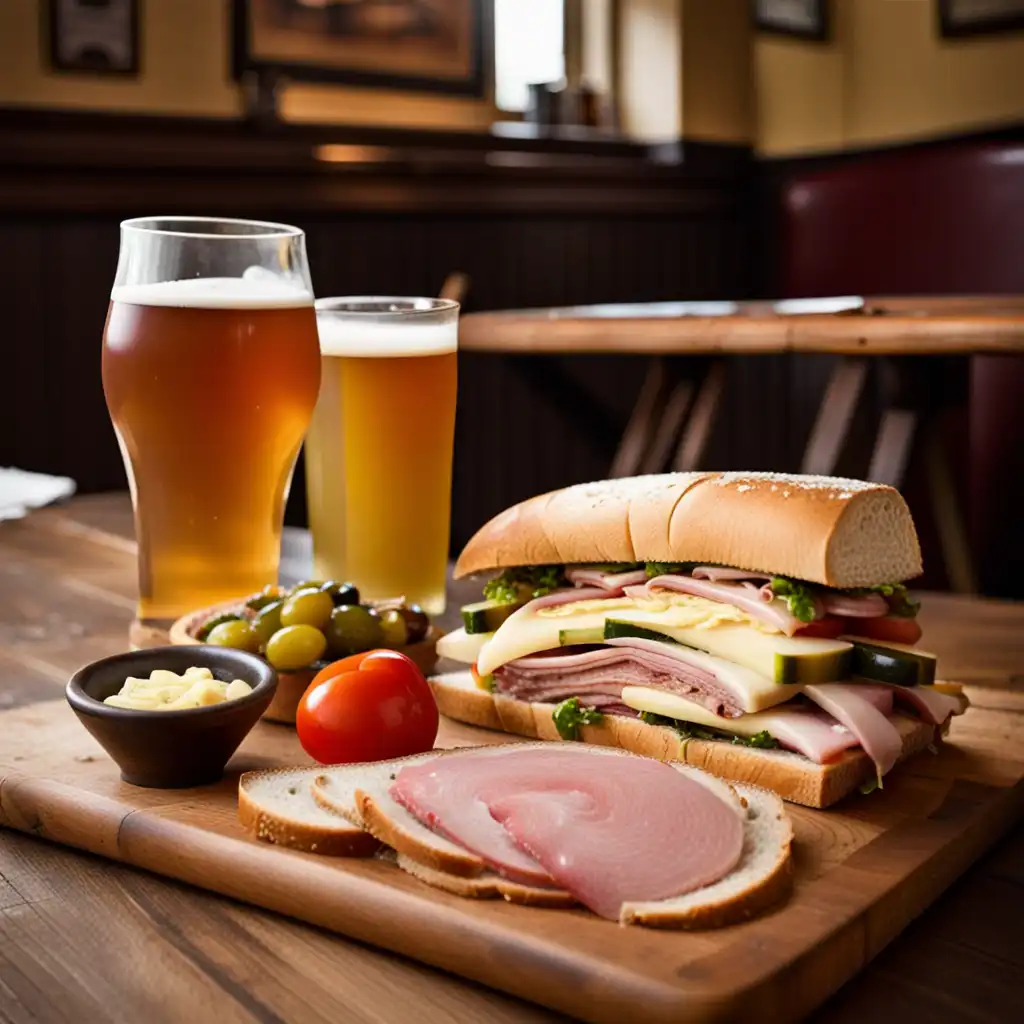
A sandwich made using ingredients like cheese, pickle, and cold meat, named after the type of meal a ploughman might have had.
I ordered a ploughman’s lunch at the pub.
音声を読み込めませんでした。しばらくしてからもう一度お試しください。
A ploughman is someone who drives a plough, which is a tool used for breaking up soil to prepare it for planting crops. In the past, ploughmen were typically farmers who would use horses or oxen to pull the plough through their fields. Today, the word ploughman is used more generally to refer to someone who works in agriculture or farming. In some regions, a "ploughman's lunch" is a traditional meal consisting of bread, cheese, and pickles.(Note: This may vary depending on the regional differences and usage of the term)
Countryman refers to someone who lives in the countryside or a rural area, regardless of their profession. It is a general term that can be used for farmers, villagers or anyone who lives in a rural area.
Countryman is a more general term that refers to anyone living in a rural area, while ploughman is a specific term that refers to someone involved in agricultural work.
単語を開く: Countryman →A farmer is a person who owns or manages a farm and is responsible for its overall operation.
While all ploughmen are farmers, not all farmers are ploughmen.
A farmer can perform a variety of tasks on a farm, such as planting, harvesting, and managing livestock.
If someone is responsible for managing a farm overall, they would be called a farmer. If someone is specifically responsible for using a plough to prepare the fields, they would be called a ploughman.
単語を開く: Farmer →Peasant refers to a person who works on land and has a low social status.
It is a more specific term and would not apply to peasants who do not necessarily engage in plowing activities.
Both terms can be applicable in different contexts, but peasant is a more general and broad term while ploughman is more specific to agricultural activities involving plowing.
単語を開く: Peasant →Ranch refers to a large farm that is usually used for raising livestock.
A ploughman works on a farm and plows fields, while a ranch is a type of farm used for raising livestock.
単語を開く: Ranch →Rustic is a broader term that can refer to anyone or anything that is simple, rural, or unsophisticated.
Ploughman is applicable in contexts related to farming and agriculture, while rustic can be used in a variety of settings to describe a certain aesthetic or way of life associated with rural areas.
For example, a restaurant might advertise a rustic menu featuring locally-sourced ingredients, or a clothing brand might use a rustic marketing campaign to appeal to customers who appreciate a simpler, more down-to-earth style.
単語を開く: Rustic →A yeoman is a farmer or landowner who owns a small estate. Unlike a ploughman, a yeoman is typically someone who owns and manages his own land.
Yeomen were respected members of rural society and were often involved in local government and other activities. This term is generally associated with the English countryside.
A ploughman is a manual laborer who works with a plough, while a yeoman is a landowner or farmer who manages his own land.
単語を開く: Yeoman →Theories cannot claim to be indestructible. They are only the plough which the ploughman uses to draw his furrow and which he has every right to discard for another one, of improved design, after the harvest.
The seaman tells stories of winds, the ploughman of bulls; the soldier details his wounds, the shepherd his sheep.