fiendish
adjective fiendish
ˈfiːndɪʃ
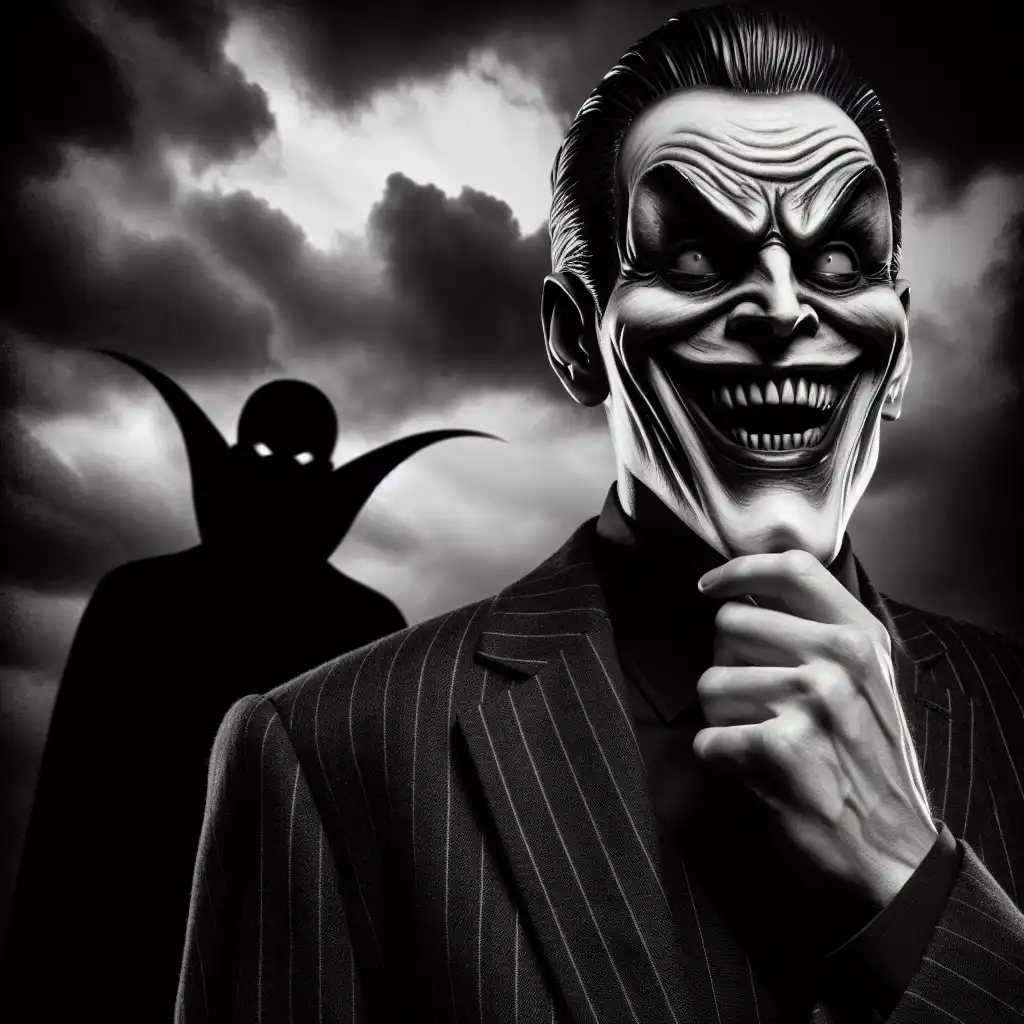
Extremely cruel or wicked.
He took pleasure in his fiendish acts of cruelty.
fiendish
ˈfiːndɪʃ
Cargando…
ˈfiːndɪʃ
Extremely cruel or wicked.
He took pleasure in his fiendish acts of cruelty.
ˈfiːndɪʃ
Exceedingly difficult or frustrating.
This fiendish puzzle is making me lose my mind.
No se pudo cargar el audio. Inténtalo de nuevo más tarde.
The word 'fiendish' is used to describe something that is extremely wicked, cruel, or evil. It can also be used to describe something that is very difficult or complicated to understand or solve. For example, you might use the word 'fiendish' to describe a difficult puzzle or a complicated math problem. You might also use it to describe the actions of a villain or an evil character in a story. Overall, the word 'fiendish' is used to describe things that are really bad or really hard to deal with.
Both demonic and fiendish can describe evil or demonic qualities, but demonic more strongly implies an association with demons or supernatural forces, while fiendish typically suggests a wickedness that is cruel or malicious.
For example, one might describe a person with an evil or malevolent nature as demonic, but a particularly cruel act or tactic might be described as "fiendish."
Overall, both words can be used in similar contexts, but demonic has a stronger supernatural connotation, while fiendish emphasizes cruelty or viciousness.
Abrir palabra: Demonic →Both diabolical and fiendish mean wicked or evil, but diabolical is typically associated with schemes or plans that are devilishly cunning or evil, while fiendish is often used to describe cruel or sadistic actions that cause suffering or harm to others.
For example, a diabolical plan might be a complex plot to deceive or manipulate others for personal gain or power, while a fiendish act might involve intentionally causing pain or torment to someone else.
Abrir palabra: Diabolical →Evil generally means morally wrong or wicked, while fiendish refers to something cruel or devilish. Evil acts are typically done with an intention to cause harm or suffering, while fiendish acts are often described as being carried out with a level of enthusiasm or delight.
Evil might be used to describe a person who is intentionally causing harm to others, while fiendish might be used to describe a particularly sadistic or gruesome act.
Essentially, evil is a broad term for immoral behavior, while fiendish is a more specific term used to describe particularly cruel or malicious behavior.
Abrir palabra: Evil →Malevolent means having or showing a wish to do harm to others.
Fiendish is more focused on describing actions that are evil or cruel while malevolent describes someone who has an inclination towards harm or ill-will.
Abrir palabra: Malevolent →Satanic is specifically tied to the devil or Satan - a religious figure who is seen as evil, often through association with temptation, sin, and wrongdoing.
Fiendish describes wickedness or cruelty in a general sense, while satanic is specifically used to describe something related to the devil or supernatural evil.
Abrir palabra: Satanic →Sinister refers more specifically to something that is ominous or threatening.
It can also refer to something that is associated with evil or the supernatural. For example, a sinister-looking old mansion might give you the feeling that something bad is about to happen.
Fiendish is more focused on the action or behavior of a person or thing, while sinister is more focused on the feeling or atmosphere that something creates.
Abrir palabra: Sinister →Villainous refers specifically to someone who is an evil person, often the antagonist in a story. It's used to describe a person who is wicked, malicious, and has bad intentions.
While both words are related to evil and wrongdoing, fiendish is more broadly applicable to actions and attitudes while villainous tends to specifically describe people.
Abrir palabra: Villainous →Wicked typically refers to something that is morally wrong, bad or sinful.
So, while both words have a negative connotation, fiendish is stronger and more associated with evil and cruel actions, while wicked is more general and can refer to anything morally wrong.
Abrir palabra: Wicked →What really happened...
Ver en YouTube ↗Optimists don't mind if you eavesdrop on them. They welcome it, in fact, because it helps them spread their fiendish gospel.
Bite of the Tasmanian...
Ver en YouTube ↗Highly educated bores are by far the worst; they know so much, in such fiendish detail, to be boring about.
Democracy just isn't working any more; without sanity at its heart, it is becoming a most unique and fiendish tyranny.
Cancer is the ugliest, scariest, most dreaded word in the English language. My credentials for saying so? Head-to-head, firsthand close encounters with different versions of the fiendish devil.
Guy Rivers, a conventional piece as regards the love affair which makes a part of the plot, is a tale of deadly strife between the laws of Georgia and a fiendish bandit.
The A.M.T. is much reviled by tax experts across the political spectrum for its unintended consequences and fiendish complexity.
The Cold War was over, presidential sex scandals superseded foreign concerns, and the American public was more interested in reading about fiendish serial killers, dependable mystery series protagonists, and any book thought to be in the vein of Bridget Jones and her abbreviation-happy diary.