poorness
noun poorness
ˈpʊrnəs,ˈpɔːrnəs
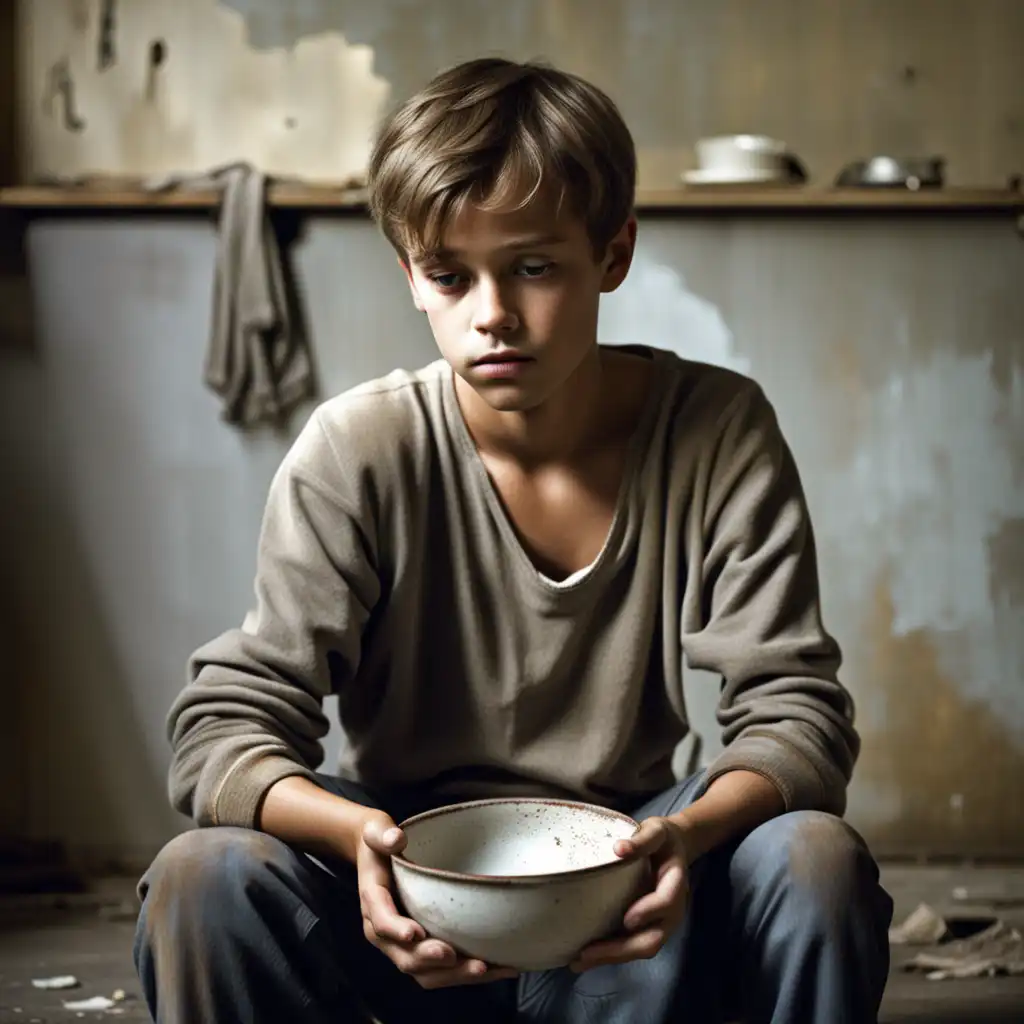
The state of having little or no money, goods, or other means of support
The poorness of his family forced him to drop out of school and start working at a young age.
poorness
ˈpʊrnəs,ˈpɔːrnəs
Chargement…
ˈpʊrnəs,ˈpɔːrnəs
The state of having little or no money, goods, or other means of support
The poorness of his family forced him to drop out of school and start working at a young age.

ˈpʊrnəs,ˈpɔːrnəs
Lack of quality or worth
The poorness of his performance led to his removal from the team.
ˈpʊrnəs,ˈpɔːrnəs
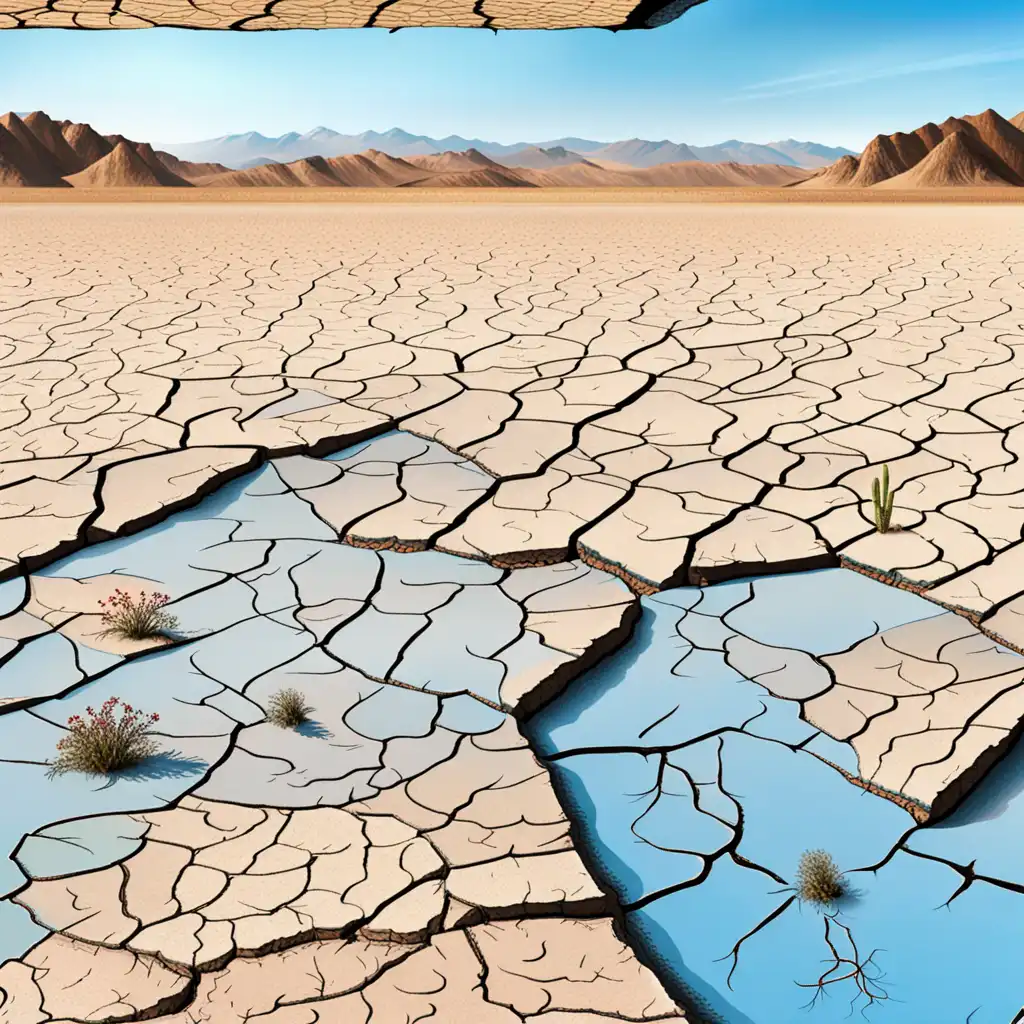
The condition of the soil that is barren or has low productivity
The poorness of the land made it unsuitable for growing crops.
Impossible de charger l’audio. Réessayez plus tard.
Poorness refers to the state of being poor or not having enough money or resources to live comfortably. It can be used in circumstances where one is discussing a lack of material possessions or difficulties making ends meet. For example, "The village suffered from poorness and lacked access to clean water and medical care," or "The family struggled with poorness and could barely afford to put food on the table." It's important to note that "poorness" is not a commonly used word in everyday conversation and may sound formal or outdated. Instead, the word "poverty" is more commonly used in modern language.
Deprivation refers to the absence or lack of something that is considered necessary for life or comfort. For example, the deprivation of food, water, sleep or social interaction can negatively impact a person's health and wellbeing.
Deprivation refers to a lack of something specific, while poorness refers to a broader lack of resources for basic needs.
Deprivation can happen to anyone at any time while poorness usually refers to a long-term condition.
Ouvrir le mot: Deprivation →Destitute means being extremely poor and lacking basic necessities like food, shelter, and clothing.
Destitute implies a more severe state of poverty that refers to a lack of basic necessities, while poorness is a more general term for having limited financial resources.
Ouvrir le mot: Destitute →Both words refer to a lack of money or resources, but penury means extreme poverty or destitution, while poorness just means a state of being poor.
Penury is a more severe state of poverty while poorness is a more general and less severe condition of being poor.
Ouvrir le mot: Penury →Scarcity refers to a situation where there is a limited supply of a particular resource, such as water, land, or natural resources.
Scarcity can be caused by a variety of factors, including natural limitations, technological constraints, or economic factors.
Poorness is a lack of financial resources, while scarcity is a lack of any resource due to limited availability.
Ouvrir le mot: Scarcity →Sufficiency refers to having enough of something to meet one's needs or desired standard of living. It implies a state of satisfaction, contentment, and balanced living.
Sufficiency is applicable in situations where individuals or groups have the necessary resources to meet their needs and live a balanced life, such as in cases of financial stability or sustainability.
Poorness implies a negative state of lack or deprivation, while sufficiency implies a positive state of having enough and living a balanced life.
Ouvrir le mot: Sufficiency →Want refers to a lack of something that is desired or needed.
Poorness describes a more long-term and systemic condition of economic disadvantage, while want is more of an immediate and specific lack of something necessary or desired.
Ouvrir le mot: Want →We were poor, but we didn't know it. There were no government bureaus in those days presuming to determine where poorness begins and ends, but I don't remember ever being hungry.