extant
adjective extant
ekˈstænt
Still existing or in use, not destroyed or lost
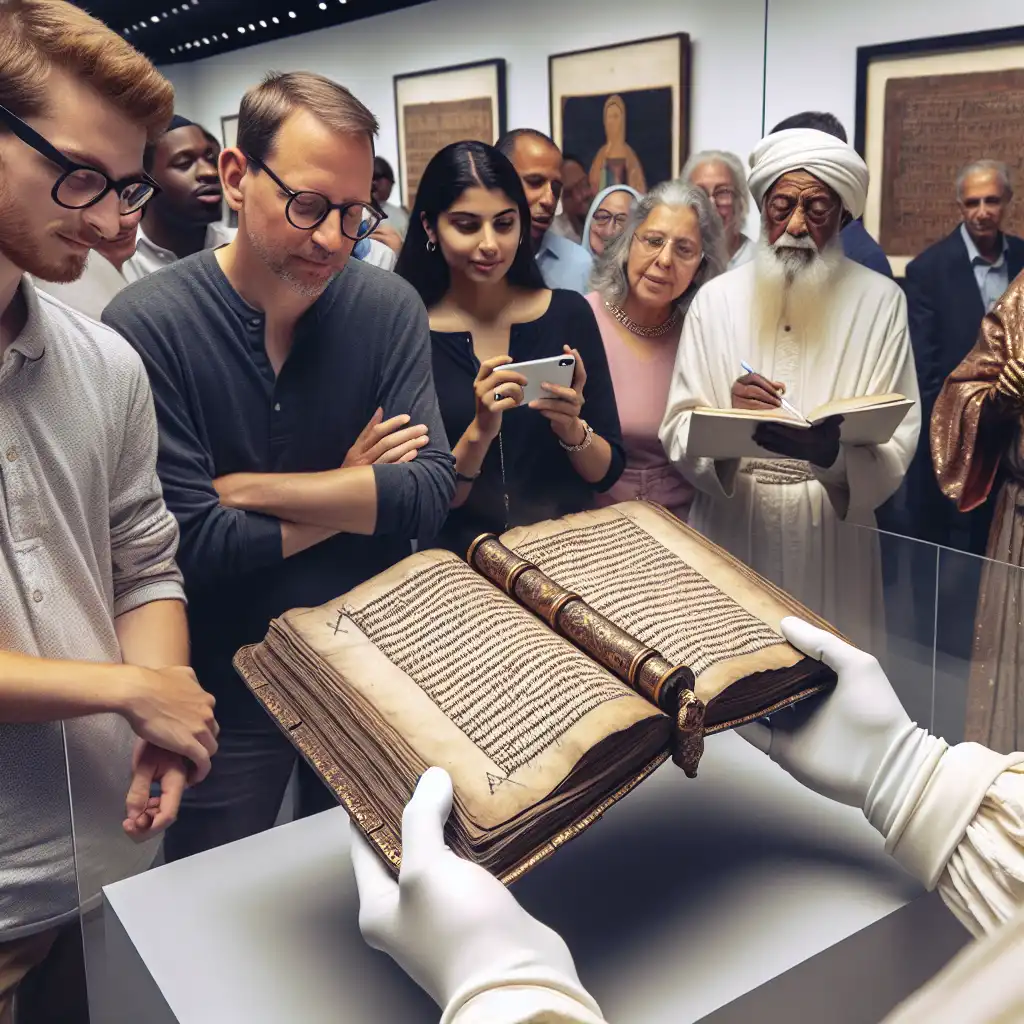
The oldest extant manuscript of the novel is kept in the museum.
extant
ekˈstænt
Loading…
ekˈstænt
Still existing or in use, not destroyed or lost
The oldest extant manuscript of the novel is kept in the museum.

ekˈstænt
In legal language, still in effect or valid
The extant regulations are being reviewed for revision.
Audio could not be loaded. Please try again later.
The word 'extant' is used to describe something that still exists, even though it is very old or rare. For example, when talking about ancient texts or documents, we might say that there are only a few extant copies still in existence. This word can also be used to describe animals or plants that are still alive today, but were around during prehistoric times. In everyday conversation, it is not a word that is commonly used, but it is useful to know when reading or discussing topics related to history, archaeology, or biology.
Active refers to something that is currently happening or in use. For example, an active volcano means a volcano that is currently erupting.
Active refers to something that is currently happening, while extant refers to something that is still present or surviving from the past.
Open word: Active →Contemporary refers to something that is happening or existing at the same time as the present. For example, if a person is a contemporary artist, it means they are currently creating art.
Contemporary applies to things happening in the present moment, while extant applies to things that have existed in the past and continue to exist in the present.
Open word: Contemporary →Current means something that exists or is happening now. For example, the current president of the United States is Joe Biden.
We use current to talk about things that are present or ongoing in the present moment.
Current is used to refer to something present or ongoing in the present moment, while extant is used to refer to something still existing, regardless of when it was created.
Open word: Current →Exist means to be alive, present, or in existence. It's used to describe something that's currently there, such as a person, an animal, a plant, or an object.
Extant, on the other hand, means something that still exists despite being old or rare. It refers to something that's survived through time, such as an ancient manuscript, an old building, or a rare breed of animal.
Exist describes something current while extant describes something that has survived from a previous time.
Open word: Exist →Ongoing means that something is currently happening or continuing, like an ongoing investigation or an ongoing project.
Extant refers to something that still exists from the past, while ongoing refers to something that is currently happening in the present.
Both words can be used to talk about different things, depending on the context. For example, you could say that an extant document from the 1800s is being used as evidence in an ongoing court case.
Open word: Ongoing →Extant means something that still exists, especially a document or other physical object, despite being very old. Present means something that is existing right now or at this moment.
For example, a handwritten letter from Thomas Jefferson to John Adams is an extant document because it still exists today, while Thomas Jefferson himself is not present because he lived many years ago and is now dead.
Extant describes something that is old but still existing, while present describes something that exists currently.
Open word: Present →Extant means something that still exists, while the word remain means something that is left after everything else has gone.
For example, if we're talking about a species of animal, extant means that the species still exists today, while remain might refer to the fossils or remains of the species that we can find.
Extant describes things that are still alive, existing, or in use today, while remain describes things that were once part of something larger or more complete, but are now left over or leftover.
Open word: Remain →Extant means something that still exists or is still in existence today. It's typically used to describe old things like books, artifacts or buildings, that have managed to survive through time and are still around today.
Survive means to continue to live or exist in spite of challenges, difficulties, or dangers.
Extant talks about things that still exist today, while survive talks about things that have managed to stay alive or in existence despite challenges or difficulties.
Open word: Survive →A lyrical bridge between...
Watch on YouTube ↗There is always a present and extant life, be it better or worse, which all combine to uphold.
Reimagining Dinosaurs %\PIPE%...
Watch on YouTube ↗The remediableness criterion is an effort to deal symmetrically with real world institutions, both public and private, warts and all. The criterion is this: an extant mode of organization for which no superior feasible form of organization can be described and implemented with expected net gains is presumed to be efficient.
It's not that a literature for children of color doesn't exist; it's that so much of the extant literature is lacking in the essential quality that makes literature for children so extraordinary a form: imagination.
America is the proud possessor of the oldest extant written constitution in the world, which was for its time - 1787 - a highly innovative and important document.
Obscure as still remains the origin of that 'genre' of romance to which the tales before us belong, there is little doubt that their models, if not their originals, were once extant at Constantinople.
I looked back at some of my earlier published stories with genuine horror and remorse. I got thinking, How many extant copies might there be, who owns them, and do they keep their doors locked?
There have always been hermits: people who want to get away from other humans. Literally, some of the first extant books and poems found in Mesopotamia and China mention people living alone in the woods. It's this primal fascination that exists across all cultures and all times.
There is not a single extant study that supports all the arguments against men being with their children. It's absolute bollocks.
In the aftermath of 9/11 and in the build-up to the invasion of Iraq, few questioned the idea that the United States was likely to be the extant superpower for several decades to come. Few anticipated how quickly the neoconservative project would run into the sands - or that China would rise so quickly.
The presumption that an extant mode is efficient if the expected net gain is negative can nevertheless be rebutted by showing that the obstacles to implementing an otherwise superior feasible alternative are 'unfair.