piquancy
noun piquancy
ˈpiːkənsi
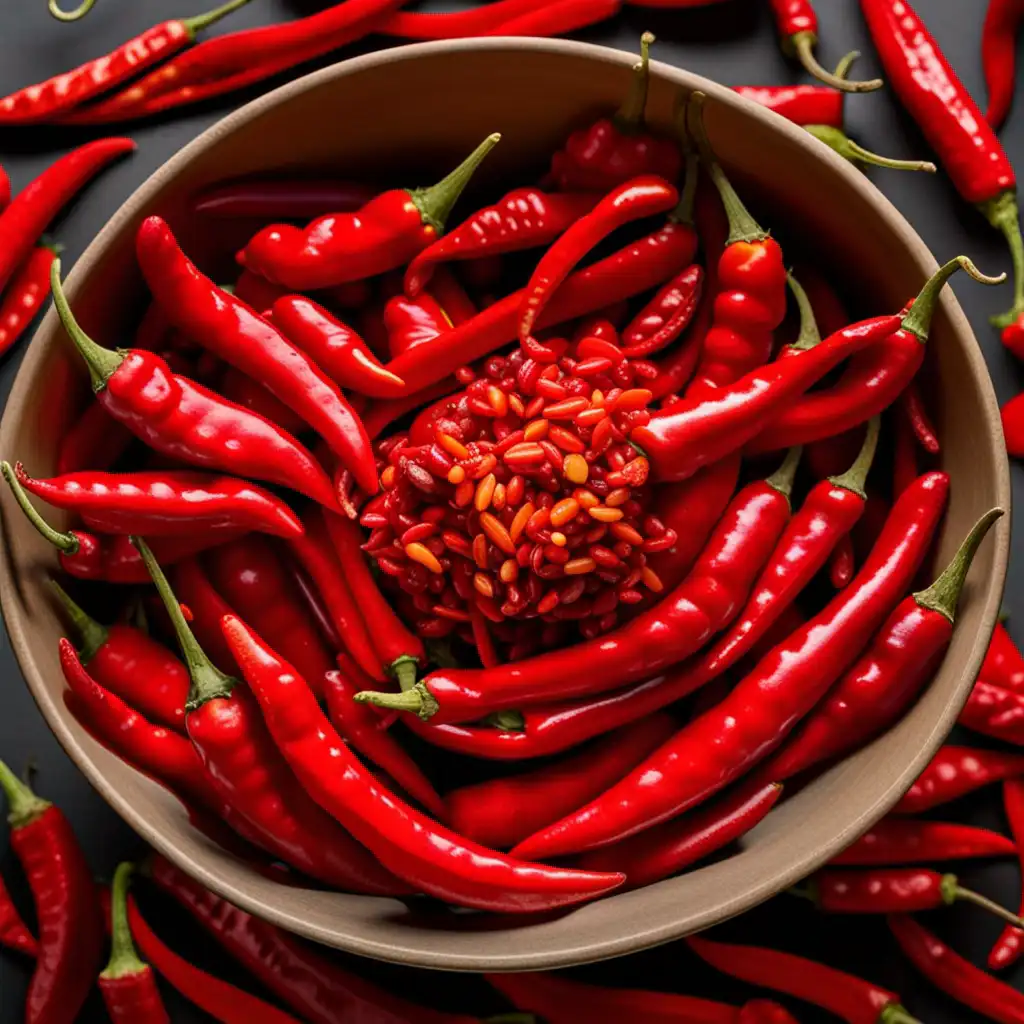
The quality of having a strong, spicy taste
The piquancy of the chili gives the dish a bold flavor.
piquancy
ˈpiːkənsi
Chargement…
ˈpiːkənsi
The quality of having a strong, spicy taste
The piquancy of the chili gives the dish a bold flavor.

ˈpiːkənsi
The quality of being exciting, stimulating or intriguing
The mystery novel had a certain piquancy that kept me reading into the night.
Impossible de charger l’audio. Réessayez plus tard.
Piquancy means having a spicy or tangy taste. You can use this word when describing food that has a taste that is both interesting and slightly spicy. The word can also be used when describing a person or situation that is exciting or stimulating. So, if you try a new dish at a restaurant and you find it spicy and flavorful, you could say that you enjoyed the piquancy of the food. Or, if you meet someone who is energetic and engaging, you could say that you appreciate their piquancy.
Aroma and piquancy are two different concepts related to food or drink.
Aroma refers to the smell or fragrance of something, especially related to food or drink. For example, the aroma of freshly baked bread, the aroma of coffee, the aroma of sautéed garlic, etc.
Aroma and piquancy are different in the sense that aroma relates to the smell, while piquancy relates to the taste.
Each is applicable in different situations - aroma describes the pleasing or distinctive smell of something, while piquancy describes the spiciness or sharpness of something.
Ouvrir le mot: Aroma →Excitement describes the feeling of being thrilled or stimulated by something. This can be applied to a variety of situations, such as going on a roller coaster or receiving good news.
Excitement describes a feeling of being thrilled, while piquancy describes a quality of something that is stimulating or intriguing.
Ouvrir le mot: Excitement →Interest refers to being engaged or curious about something, while piquancy refers to something that is pleasantly sharp or spicy.
Interest is applicable in situations where we want to know more about a particular subject, topic, or event. For example, if we are interested in science, we may want to read books about different scientific discoveries, watch documentaries, or even conduct experiments ourselves.
Interest refers to curiosity and engagement, while piquancy refers to flavor and taste.
Ouvrir le mot: Interest →Both piquancy and pungency refer to a sharp or strong taste, but piquancy typically refers to a more pleasantly stimulating taste or flavor, while pungency often connotes a more unpleasantly strong or acrid taste or odor.
Piquancy might be used to describe a spicy dish that is flavorful and stimulating to the palate, whereas pungency might be used to describe the sharp, biting taste of raw onion or garlic.
Ouvrir le mot: Pungency →“Piquancy” and “sharp” are both terms used to describe the taste of food or flavors.
“Sharp” refers to a flavor that is intense, but usually not spicy or tangy.
It can also describe something that has an acrid, sour, or bitter taste. For example, a lemon might be described as having a sharp taste because it is sour.
Piquancy refers to a spicy or tangy taste, while sharpness can describe sour or bitter flavors.
Ouvrir le mot: Sharp →Spiciness, on the other hand, refers to the property of being spicy or hot, which is usually associated with the intensity of heat in food derived from chili peppers or other spices.
Spiciness is more focused on the level of heat in the food, while piquancy is more focused on the overall flavor. Piquancy is applicable to foods that have a zingy, sharp, or tangy flavor, while spiciness is applicable to foods that have a strong, intense, or fiery heat.
Ouvrir le mot: Spiciness →The reports of the eclipse parties not only described the scientific observations in great detail, but also the travels and experiences, and were sometimes marked by a piquancy not common in official documents.