encrusted
adjective encrusted
ɪnˈkrʌstɪd
Covered with a hard layer or a large amount of something.
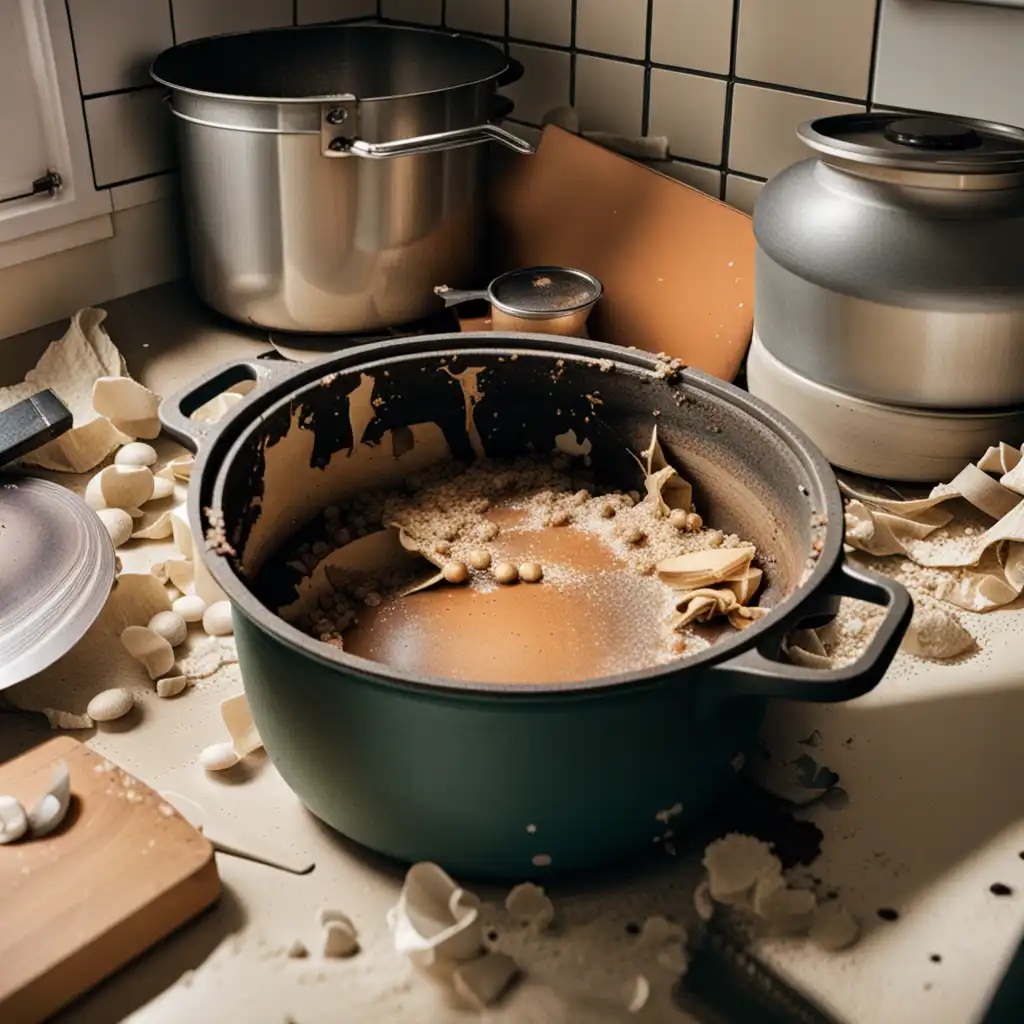
The pot was encrusted with food that had been left to dry.
encrusted
ɪnˈkrʌstɪd
Đang tải…
ɪnˈkrʌstɪd
Covered with a hard layer or a large amount of something.
The pot was encrusted with food that had been left to dry.

ɪnˈkrʌstɪd
Decorated with a thin layer of small shiny stones, especially precious stones.
She wore a beautiful, diamond encrusted necklace to the party.
ɪnˈkrʌstɪd
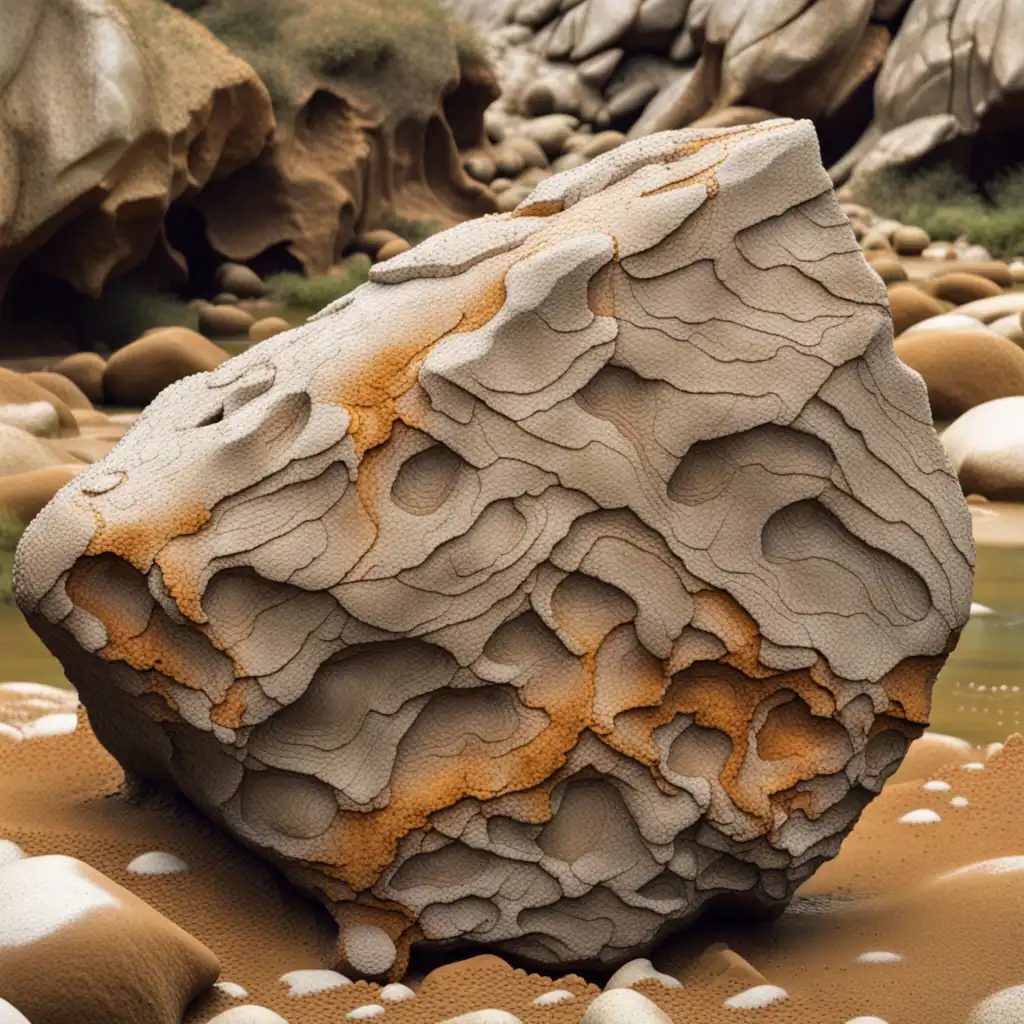
Having a crust or a hard coating.
The encrusted rock sample indicated an old age for the land formation.
Không tải được âm thanh. Vui lòng thử lại sau.
The word "encrusted" is used to describe something that is covered with a hard, crusty layer. It could be used to describe food that has a crispy coating on the outside, like fried chicken or breaded fish. It could also be used to describe a piece of jewelry that has a layer of crusty material, like rust or dirt, on it. Essentially, anything that has a hard or crusty covering can be described as "encrusted."
Coat refers to a layer or covering of something, typically a fabric or material, that is worn or applied onto something else. For example, a winter coat or a coat of paint.
Coat is applicable when referring to clothing or adding a layer of something onto a surface, while encrusted is applicable when referring to a buildup of hard materials on a surface.
Mở từ: Coat →Crust refers to a hard and outer layer that forms on something. For example, the crust on bread or the crust on the Earth's surface.
Encrusted means that something is covered or coated with a hard and outer layer. For example, a ring that is encrusted with jewels or a ship that is encrusted with barnacles.
Crust refers to a natural hard outer layer, while encrusted refers to something intentionally covered with a hard outer layer.
Mở từ: Crust →Embed means to firmly insert or fix something into something else, like embedding a video in a website or embedding a nail into wood.
The difference between the two words is that embed is related to placing something inside something else in a fixed manner, while "encrust" is related to covering or decorating something with a hard outer layer.
You use the word embed when you want to put something securely into something else, and you use the word encrusted when you want to cover something with a decorative layer.
Mở từ: Embed →Encase means to surround or cover something completely, as if it were in a case or container. For example, you might encase a valuable object in a protective case to keep it safe.
The main difference between these words is that encase refers to something being surrounded or covered, while encrusted refers to something being covered with a hard or crusty exterior.
Mở từ: Encase →Impregnate means that something is saturated or filled with a substance. For example, wood may be impregnated with chemicals to make it weather-resistant.
Both words can describe something that has been altered by the addition of another material, but encrusted refers to a surface layer while impregnate refers to a deeper saturation.
Mở từ: Impregnate →Overlay refers to something that is laid over or covers something else, often to enhance or add to its appearance.
For example, a lace overlay might be added to a dress to give it a more delicate and intricate appearance.
Encrusted connotes something rough, while overlay connotes something delicate or decorative.
Mở từ: Overlay →Seal Surprises %\PIPE%...
Xem trên YouTube ↗Man may well have covered over and, so to speak, encrusted the truth with the errors he has loaded onto it, but these errors are local, and universal truth will always show itself.
Michael Pawlyn: Using...
Xem trên YouTube ↗I love vintage cowboy boots, and some days I'm into platform stilettos encrusted in jewels. It's really all over the place.
Healthy camel crickets spend a lot of their waking hours grooming, so I have learned to recognize the ones that will soon die because they walk about encrusted with sand and bits of litter, having lost all interest in keeping clean.
Over the centuries, religion has become institutionalized, and in the process encrusted with elaborate hierarchies, top-heavy bureaucracies, highly specialized roles and reflexive routines.