abut
verb abut
əˈbʌt
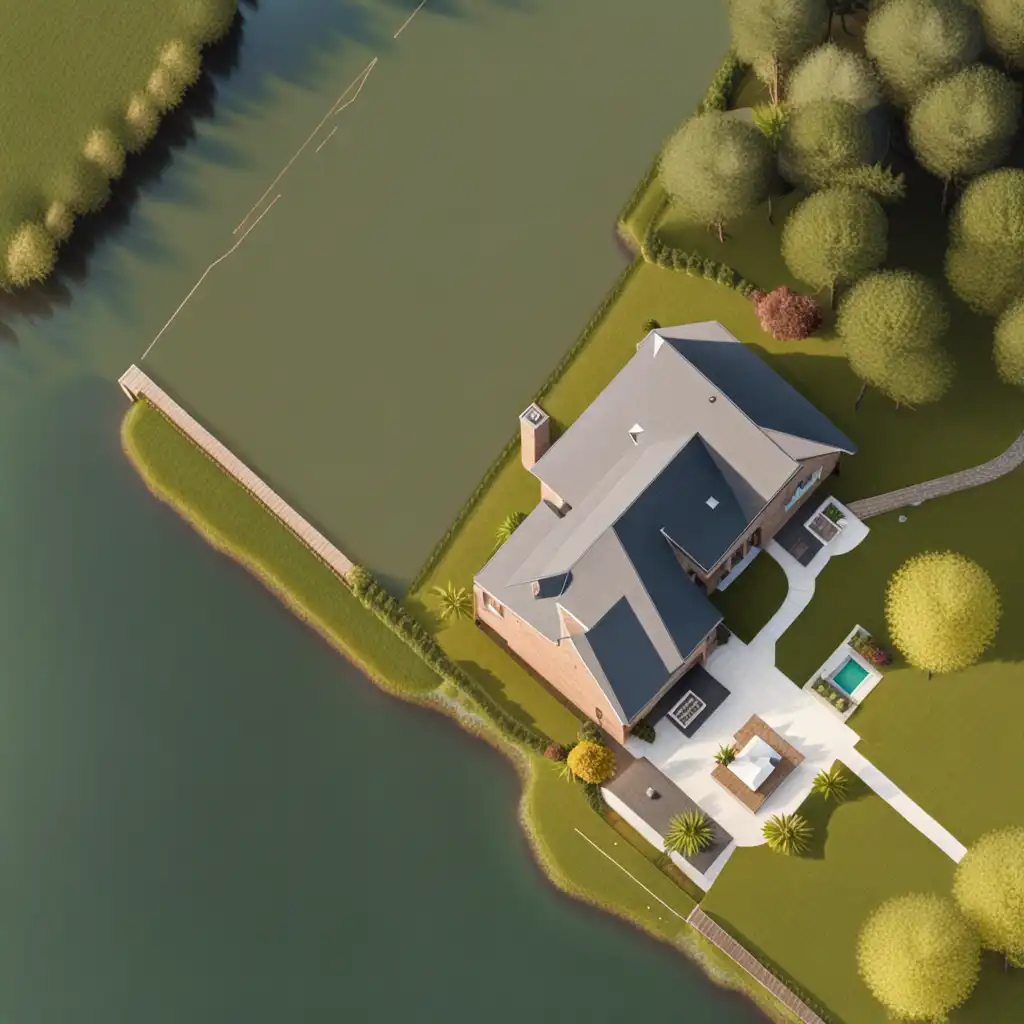
To be next to or have a common boundary with
Our property abuts a small lake.
abut
əˈbʌt
Đang tải…
əˈbʌt
To be next to or have a common boundary with
Our property abuts a small lake.
əˈbʌt
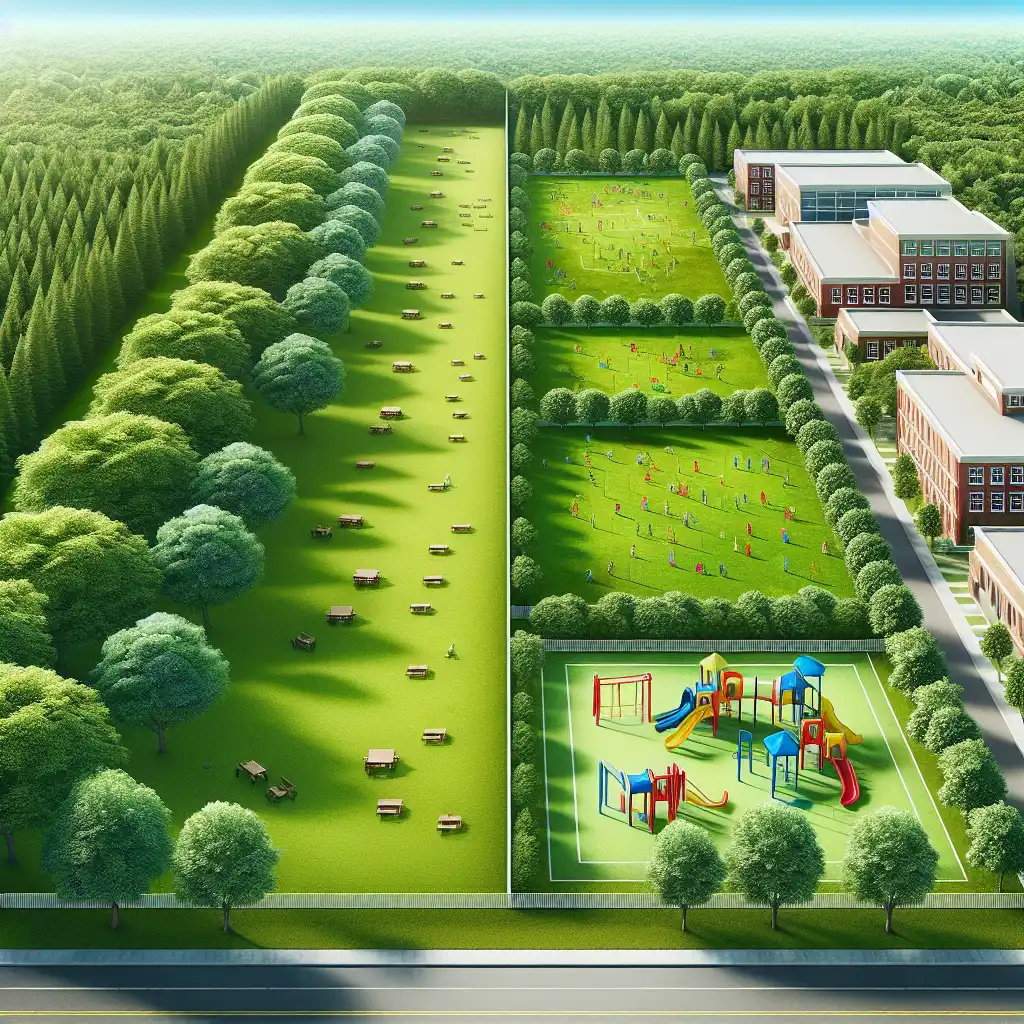
To end at; to border on; to touch on one side
The park abuts the school grounds.
Không tải được âm thanh. Vui lòng thử lại sau.
The word 'abut' means to touch or be next to something else, usually at a border or boundary. For example, a house might abut a fence or a road might abut a park. It is often used when talking about things that are physically touching or located next to each other.
Abut refers to two objects that meet at a shared boundary, such as two walls that meet at a corner. Adjoin refers to two objects that touch or connect with each other, but not necessarily at a shared boundary, such as two rooms that have a common wall.
Abut means to be directly next to something, like a fence that runs along the edge of a property, and adjoin means to be connected or touching, but not necessarily as closely, like two neighboring houses that share a driveway.
Mở từ: Adjoin →The main difference between the words abut and border is that abut means to be adjacent to or to share a boundary with something, while border means to be along the edge or limit of something.
For example, if you say that two properties abut each other, it means that they touch at their boundaries. If you say that a country borders another country, it means that it is located next to that country and shares a common border.
Abut is used for physical objects, such as buildings or pieces of land, while border is used for larger areas, such as regions, countries or states.
Mở từ: Border →Butt can be used in a few different ways. One common meaning is to hit or bump into something with your rear end.
For example, "I accidentally butt into the table while walking backwards." Another way it can be used is as a slang term for the buttocks themselves.
Abut describes when two things are adjacent or next to each other, while butt describes hitting something with your rear end or as a slang term for buttocks.
Mở từ: Butt →Flank means to be located at the side or edge of something, while still being a part of it.
Flank is often used to describe the position of an object in relation to something that encloses it on both sides.
For instance, the castle was flanked by two towers, meaning that there were two towers on either side of the castle.
Abut refers to two things that are next to each other, while flank refers to something being located on the side or edge of something else.
Mở từ: Flank →Both abut and meet are used to describe how two objects or surfaces come together.
- Meet is used when two objects or surfaces come together in a way that forms a continuous line or connection. For example, imagine two walls that come together at a corner: we would say that the walls meet at the corner.
- If two things come together in a way that creates continuity or connection, use meet.
Mở từ: Meet →'Neighbor' means a person, place or thing that is near or next to another. For example, "Our house is neighbors with the school.".
Abut is applicable when referring to the physical connection between two objects or spaces, while 'neighbor' is applicable when referring to the relationship between two people, places or things that are near or next to each other.
Mở từ: Neighbour →Abut means to touch or meet at a common border or point. For example, two pieces of land that meet at a common boundary abut each other.
Touch simply means to come into contact with. For example, your hand can touch a table that is not necessarily adjacent to it.
Abut is more specific and implies a direct connection or adjacency, while touch is more general and can refer to any type of contact.
Mở từ: Touch →Verge typically means something being on the edge or brink of something else, such as being close to a boundary.
For example, "The riverbank verges on the edge of the forest."
Abut is used when talking about two things touching each other, while verge is used when talking about something being on the edge or close to a boundary.
Mở từ: Verge →The past present and...
Xem trên YouTube ↗If you are truly serious abut preparing your child for the future, don't teach him to subtract teach him to deduct.
Incredible Orangutan...
Xem trên YouTube ↗I really am serious abut catfish farming. I'm very interested in aquaculture.
Safari Live - Day 190 %\PIPE%...
Xem trên YouTube ↗The Europeans not only colonialized most of the world, they began to colonialize information about the world and its people. In order to do this, they had to forget, or pretend to forget, all they had previously known abut the Africans.
The culture is eating nature; it's overpowering storytelling. Movies are turning into games - it's abut the image, not nuance.
When I was acting, I was always asking abut the mechanics of filmmaking. I decided I would learn what everyone on set was doing, so I would feel less threatened.
YIMBYs should embrace a housing reform agenda broader than increasing urban density. This should start with ending tax shelters in the form of land conservation easements to cattle ranches and farms that abut suburbs. This would create an incentive for landowners convert them either to new housing subdivisions or to genuinely new natural areas.
If we'd lived in England or America we'd have told stories abut our lives and nobody would have called it protest theatre. But the reality of South Africa was the arrests and detentions and oppression - we could not escape that, so we decided to take it on.