recitative
noun recitative
ˌresɪtəˈtiːv
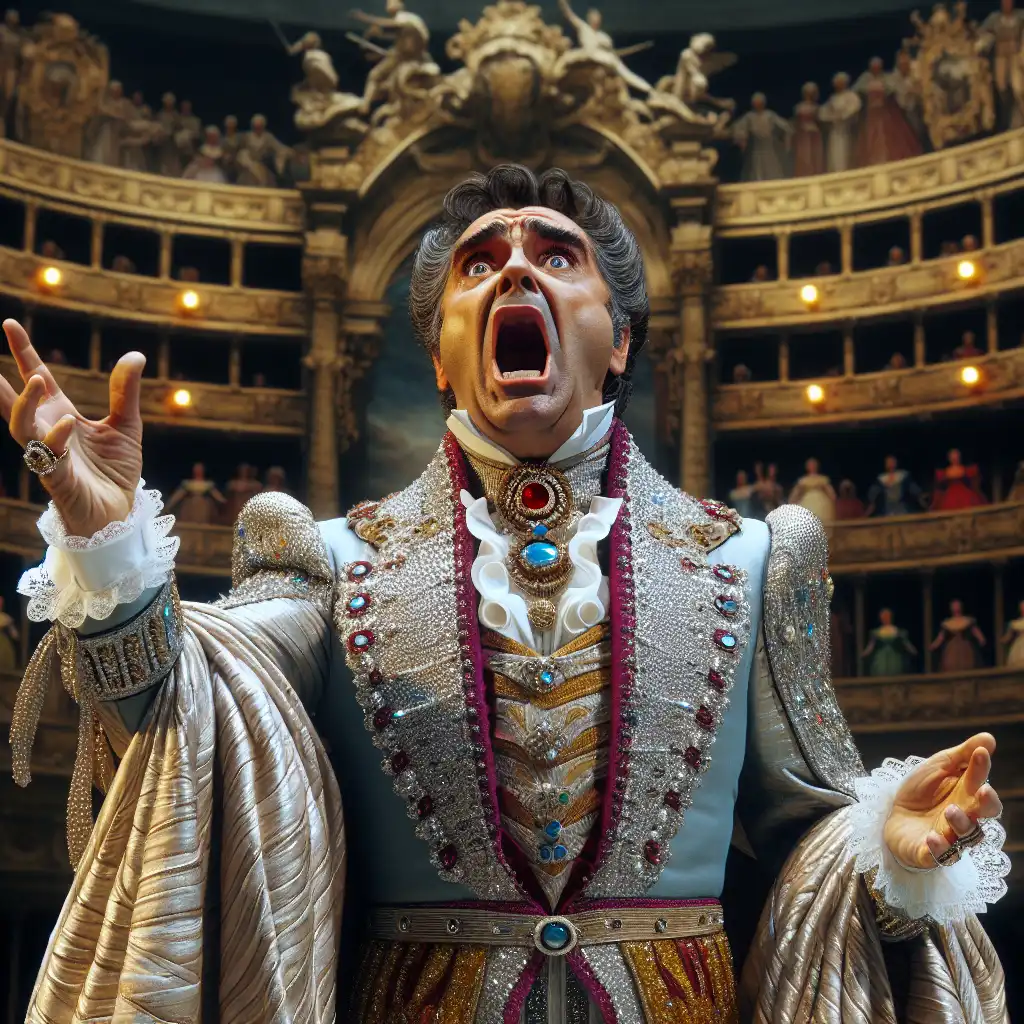
A style of speech-like singing in opera, not as melodic as a regular song.
The recitative part of the opera was quite moving and captivating.
recitative
ˌresɪtəˈtiːv
Cargando…
ˌresɪtəˈtiːv
A style of speech-like singing in opera, not as melodic as a regular song.
The recitative part of the opera was quite moving and captivating.
ˌresɪtəˈtiːv
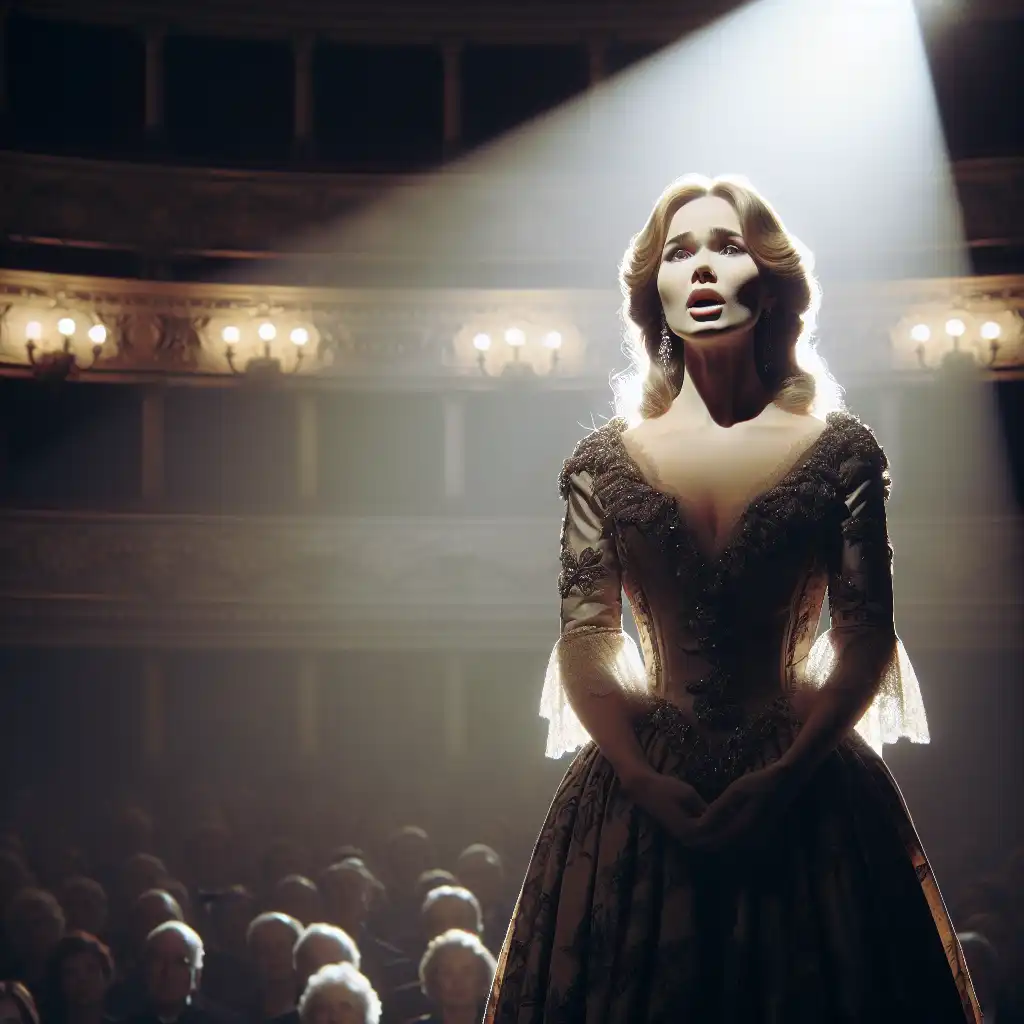
Something related to the style of speech-like singing in opera.
The music had a recitative quality that felt almost conversational.
No se pudo cargar el audio. Inténtalo de nuevo más tarde.
Recitative is a musical term that is used in opera, where the singer speaks or sings the words in a way that imitates how people normally talk. It is a type of singing that is less melodic and more like spoken dialogue. In essence, recitative moves the storyline along in an opera or other musical performance by communicating the dialogue between characters.
Chant refers to a type of singing where the melody is repeated in a simple and rhythmic way.
Chant is used in religious or ceremonial settings, while recitative is used in dramatic performances.
Abrir palabra: Chant →Declamation refers to speaking or reciting in a dramatic or impassioned way, usually with a strong emphasis on the words and their meaning.
Declamation is focused on spoken word delivery while recitative is a style of singing that imitates speech.
Abrir palabra: Declamation →Dialogue refers to a conversation or exchange of words between two or more people, often used in movies or plays. Recitative is a style of singing used in opera or musical theater where the words are spoken or sung like dialogue, but the melody follows the rhythm and accent of normal speech.
Dialogue is more widely applicable, while recitative is more specific to a certain type of performance, like an opera.
Abrir palabra: Dialogue →Intonation refers to the pitch or melody of someone's voice when they speak or sing. If someone speaks in a monotone voice, without any variation in pitch, they have poor intonation.
Intonation refers to the pitch variation in speech or singing, while recitative is a specific singing style used in certain musical genres.
Abrir palabra: Intonation →A monologue is a speech given by one person to an audience or someone else.
It is usually scripted and rehearsed, and is meant to convey the speaker's thoughts, emotions, or ideas. Monologues are often used in plays, films, and TV shows to reveal the inner workings of a character or to advance the plot.
A monologue is a spoken text used in dramatic works, while recitative is a sung text used in musical works.
Abrir palabra: Monologue →Narrative refers to a story being told from a third-person point of view, often including characters and events.
A narrative can be fictional or non-fictional and can be written, spoken, or visual.
Narrative describes a story, while recitative describes a style of singing that tells a story.
Abrir palabra: Narrative →Prose is a form of written or spoken language that has a natural flow and does not follow a specific meter or rhyme scheme.
It is commonly used in operas, oratorios, and musical theater to advance the plot and convey emotions. Prose is a form of language, while recitative is a form of musical expression.
Abrir palabra: Prose →Vocalization is a style of singing that is focused on the technical aspects of the voice. It involves singing with a focus on developing and improving the singer's range, tone, and technique.
Vocalization can be done with or without accompaniment, and is often used by singers who are training to become professional opera singers, classical musicians, or vocal coaches.
Recitative is used in theatrical performances to convey information and move the plot forward, while vocalization is a style of singing that focuses on improving the singer's technical skills.
Abrir palabra: Vocalization →In the modern operas that 'Miss Saigon' and 'Les Miz' are, nobody breaks out into song from conventional book dialogue. Everything is sung from beginning to end, including the recitative.
If you are going to take me a to a musical, you'd better give me three songs that I'm gonna like. Nobody goes to the opera for the recitative. They go for the aria.