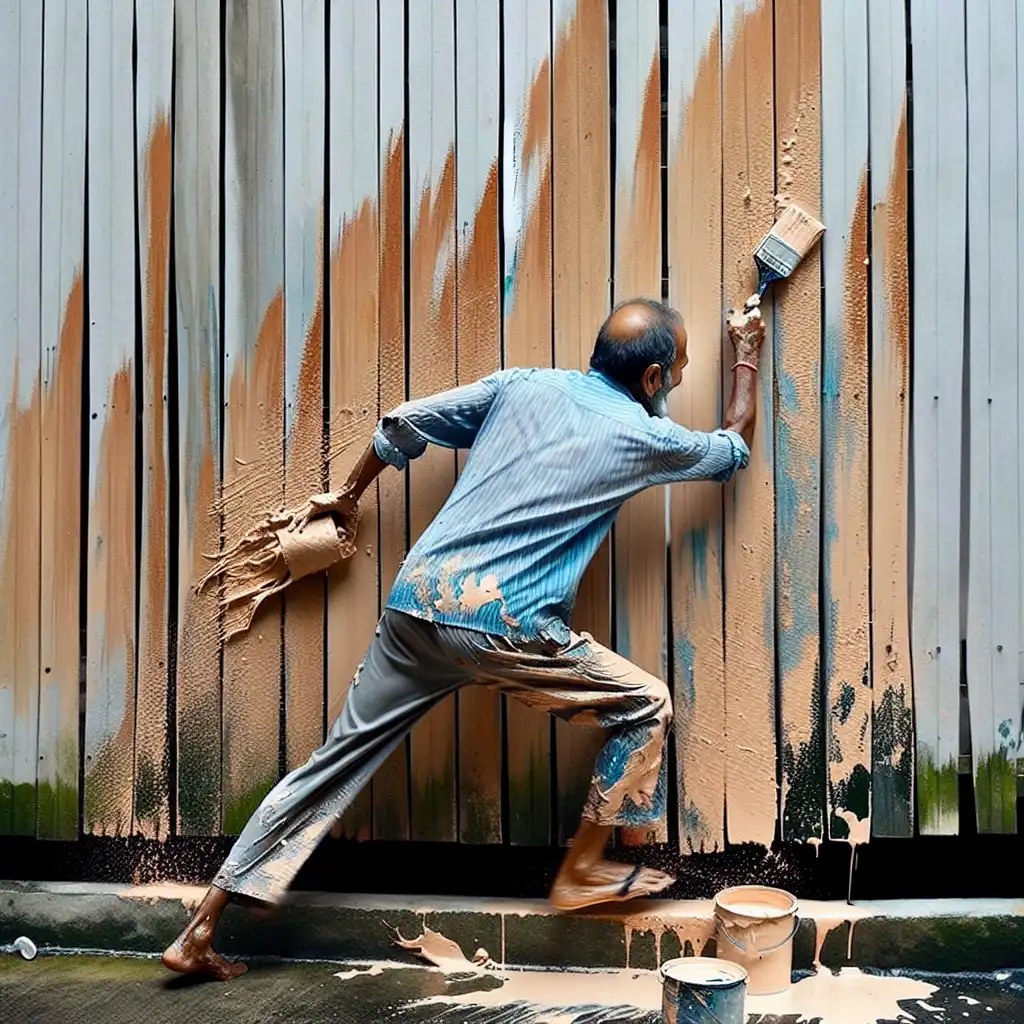
slapdash
adjective slapdash
ˈslæpdæʃ
Done carelessly or without effort, not careful or thorough
He did a slapdash job painting the fence.
slapdash
ˈslæpdæʃ
Cargando…
ˈslæpdæʃ
Done carelessly or without effort, not careful or thorough
He did a slapdash job painting the fence.
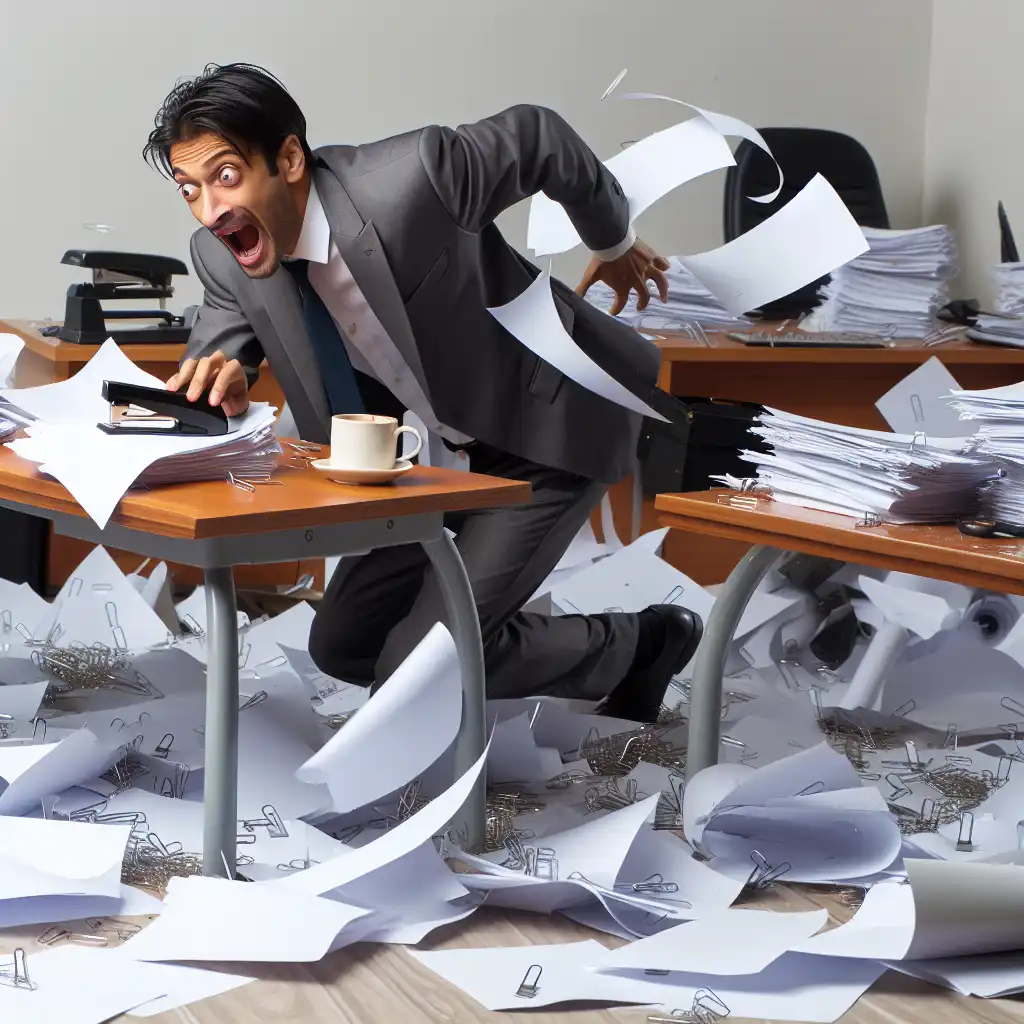
ˈslæpdæʃ
In a careless or casual manner
We can't afford to do things slapdash.
No se pudo cargar el audio. Inténtalo de nuevo más tarde.
The word 'slapdash' means doing something quickly or carelessly without paying attention to details. It can be used in situations where someone is doing a task without putting in the necessary effort or attention to ensure it is done properly. For example, if someone quickly puts together a report without reviewing it thoroughly, we can say that it was done in a slapdash manner. It is not a positive word and is often used to criticize someone's work.
Careless refers to not taking enough caution or attention to something, which may result in mistakes or accidents.
In summary, both words refer to a lack of attention or care, but careless refers to not taking enough caution, while slapdash refers to doing something hastily without proper planning.
Abrir palabra: Careless →Disorganized means that something is not well-ordered, and things are not in their proper place.
It is applicable to a hastily written essay or a poorly constructed building. Disorganized means lacking order, while slapdash means lacking care or attention to detail.
Abrir palabra: Disorganized →However, haphazard generally means that something is done randomly or without a particular order, whereas slapdash implies that something is done hastily or carelessly.
For example, if someone were to throw a bunch of objects into a box without any organization, you could say that it was done in a haphazard manner.
Haphazard is a bit more neutral and can describe something that is disorganized but not necessarily done carelessly, while slapdash implies a certain amount of sloppiness or lack of effort.
Abrir palabra: Haphazard →improvise means to create or perform something spontaneously or without preparation. It suggests creativity and adaptability in response to an unexpected situation.
Example: The actor had forgotten his lines, so he had to improvise and make up new dialogue on the spot.
Abrir palabra: Improvise →Negligent refers to someone who fails to take reasonable care or give attention to a task or responsibility, often resulting in harm or damage.
This applies when someone is careless, reckless or unresponsive to their responsibilities. For example, a doctor who fails to provide adequate care to a patient can be considered negligent.
Abrir palabra: Negligent →Rush means to do something quickly or with urgency, typically to meet a deadline or complete a task efficiently. It implies a sense of speed and urgency, but not necessarily carelessness or lack of attention to detail.
Rush is applicable when there is a sense of urgency and need for efficiency, while slapdash is applicable when the focus is on speed over quality and attention to detail.
Abrir palabra: Rush →Both slapdash and slipshod are adjectives that mean careless or haphazard.
However, slapdash is generally used to describe something that is done quickly and carelessly, while slipshod usually implies a longer period of carelessness or neglect.
For example, if someone quickly threw together a project without much thought or effort, you might describe it as "slapdash." If someone had been neglecting their work for weeks or months, leaving it incomplete and shoddy, you might describe it as "slipshod."
Abrir palabra: Slipshod →Sloppy means doing things carelessly and without paying attention to detail.
Both words are used to describe careless work or behavior, but slapdash implies that it was done in a hurry, while sloppy implies that it was done without attention to detail.
Abrir palabra: Sloppy →The Mobile Home...
Ver en YouTube ↗I can make a virtue of slapdash. Slapdash can give you courage.
The slapdash way producers used to assemble a show seems a little unbelievable when we talk about them now.
I don't like slapdash careless prose, and if I saw myself doing it, I would give up writing altogether.
When I wrote 'The Pregnant Widow' three or four years ago, I tried to reread my first novel, 'The Rachel Papers,' because their young heroes are the same age. I couldn't finish it. It seemed to me so technically slapdash and weak.