
synchronization
noun synchronization
ˌsɪŋkrənəˈzeɪʃn
The process where two or more things happen at the same time and speed.
The synchronization of their dancing was very impressive.
synchronization
ˌsɪŋkrənəˈzeɪʃn
Loading…
ˌsɪŋkrənəˈzeɪʃn
The process where two or more things happen at the same time and speed.
The synchronization of their dancing was very impressive.

ˌsɪŋkrənəˈzeɪʃn
In computing, it's the operation of making two different systems or applications run at the same level or time.
The synchronization of data between the server and the client was completed without any errors.
ˌsɪŋkrənəˈzeɪʃn
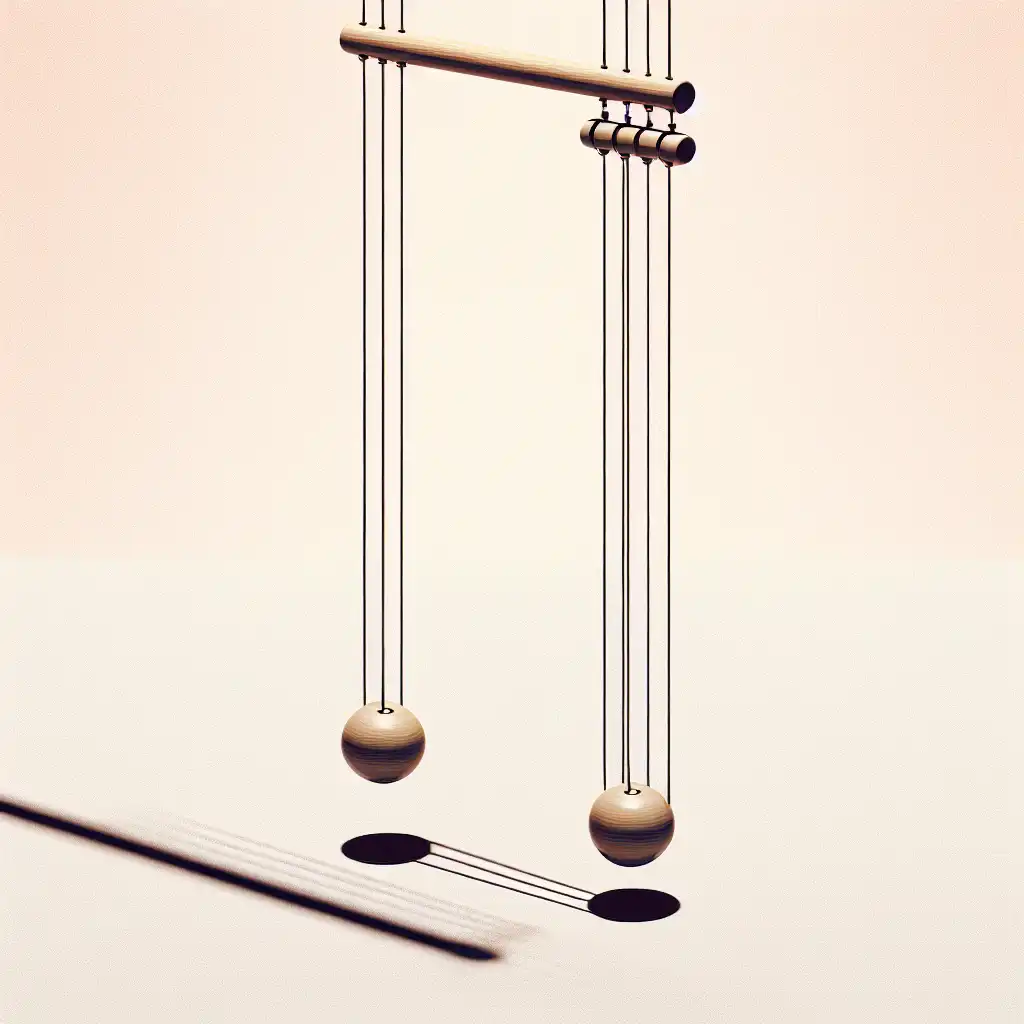
In physics, it's the rule that the frequency of a system will always match or synch with the frequency of the perturbing force.
The synchronization of the pendulums proved the theory.
ˌsɪŋkrənəˈzeɪʃn
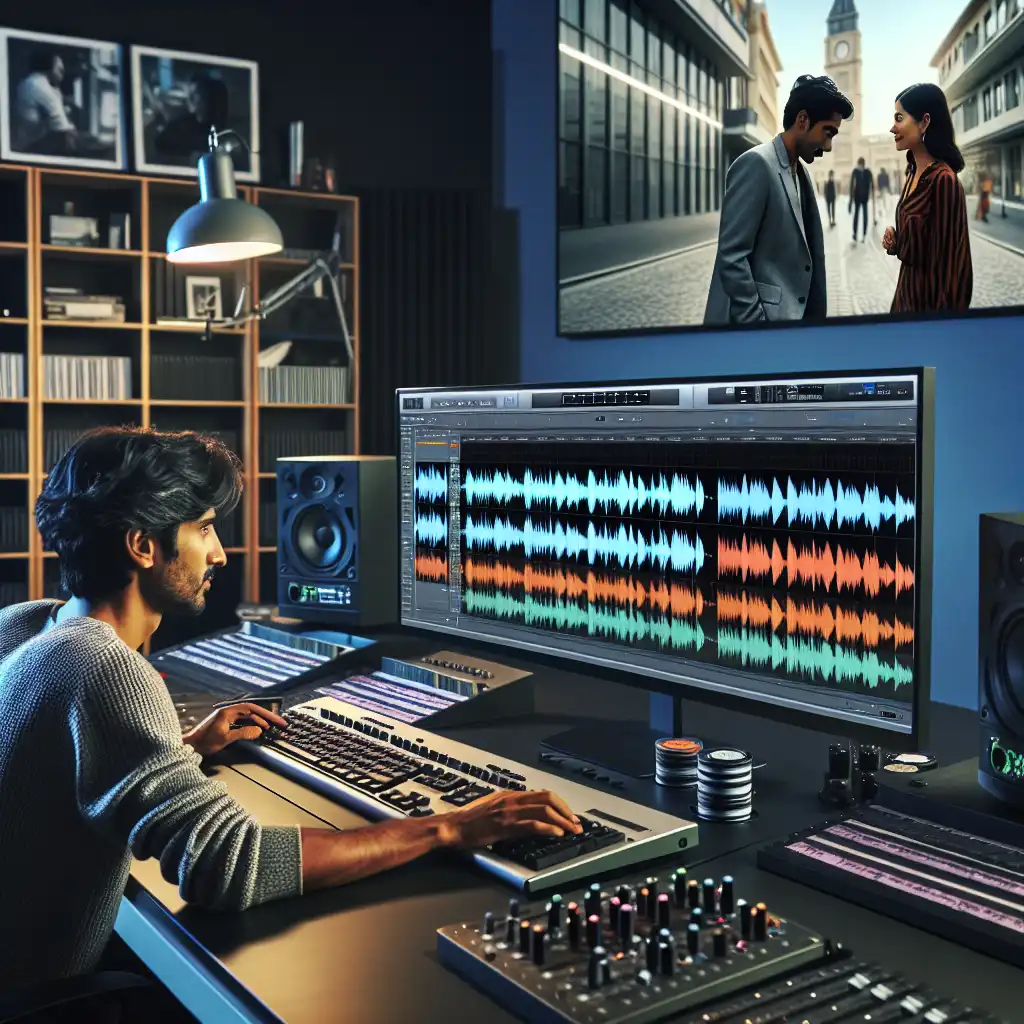
In cinema, it's the process of making the sound match with the images or actions on screen.
The synchronization of the soundtrack with the movie scenes is vital for the viewing experience.
Audio could not be loaded. Please try again later.
The word 'synchronization' means when things work together at the same time. For example, when you listen to music on your phone and the music is also playing at the same time in your friend's phone, it means both of your phones are synchronized. Another example is when you watch a movie online with other people at the same time from different locations, it means you are all synchronized. The word can also be used in different fields such as technology, where devices are synchronized to work together, or in music where musicians synchronize their instruments to play together. It basically means things are working together in harmony.
Alignment and synchronization are two different words used in different contexts. Alignment refers to the process of arranging things in a straight line or in proper order, whereas synchronization refers to the process of making two or more things work together in a coordinated manner.
For example, in the case of a car, alignment refers to the wheels being in a straight line and parallel to each other, ensuring a smooth ride and even tire wear.
Alignment is applicable in situations where objects need to be positioned in a proper order or orientation, such as in construction or manufacturing.
Open word: Alignment →Consistency refers to the uniformity or stability of something over time. For example, a consistent runner always finishes a race in the same time or a consistent recipe always produces the same delicious cake.
Consistency is applicable in a variety of contexts, including sports, cooking, and work habits.
Open word: Consistency →Convergence refers to two or more things coming together and merging into one. This could be in the context of technology, such as a smartphone that combines the functionalities of a camera, music player, and phone.
Or it could refer to the merging of ideas, such as the convergence of different scientific fields to better understand a phenomenon.
Convergence is about things merging into one, while synchronization is about things happening in unison.
Open word: Convergence →Coordinate refers to aligning or organizing different elements in such a way that they work together efficiently towards a common goal.
For example, in a task involving multiple people, coordinating efforts can mean assigning roles and responsibilities to ensure the task gets done smoothly and effectively.
Coordinate is applicable when there are multiple elements to be organized towards a common goal, while synchronization is applicable when there are different activities that need to occur in harmony with each other.
Open word: Coordinate →Harmonization generally means bringing things into agreement or compatibility with each other. This can be applied to things like music, where different instruments and voices are harmonized to create a pleasing sound.
Harmonization is about bringing things into agreement or compatibility, while synchronization is about coordinating or aligning things in time or sequence.
Open word: Harmonization →Integrate means to combine two or more things into a single whole.
It is used when we want to bring together different components to work as one system. For example, integrating different software programs to run smoothly together.
Basically, integration is about combining things into one, while synchronization is about making sure different things work together in harmony.
Open word: Integrate →Simultaneity refers to the concept of events occurring at the same time, while synchronization refers to the process of coordinating or aligning multiple processes in time.
Simultaneity is applicable when talking about events that happen at the same time or determining if two events occur at the same time.
For example, if two people clap their hands at the same time, that is an example of simultaneity.
Simultaneity refers to things happening at the same time, whereas synchronization refers to coordinating things to happen at the same time.
Open word: Simultaneity →Unity refers to a sense of oneness or togetherness. This could refer to a group of people who are working together towards a common goal, or to a feeling of connectedness between different elements of a design or composition.
Both synchronization and unity involve bringing different things together in a cohesive way, but they focus on different aspects of that process.
Synchronization is more about coordinating actions or processes, while unity is more about creating a sense of coherence or wholeness.
Open word: Unity →to maximize our use of time so that we can do more things in less amount of time and as a result the contemporary world operates in terms of global synchronization things happen in real time and the semblance of simultaneity
Watch on YouTube ↗This conscious purposeful synchronization of different neuronal ensembles by the prefrontal cortex is called mental synthesis. In order for mental sythesis to work, signals would have to arrive at both neuronal ensembles at the same time.
Watch on YouTube ↗if you take a short exposure photo you get very little light. But we're going to go a billion times faster than your shortest exposure, so you're going to get hardly any light. So what we do is we send that bullet -- that packet of photons -- millions of times, and record again and again with very clever synchronization,
Watch on YouTube ↗So yawn contagion that you're probably all familiar with -- and maybe you're going to start yawning soon now -- is something that we share with other animals. And that's related to that whole body channel of synchronization
Watch on YouTube ↗Because think about all the applications and implications that the voice may have as we discover more about it. Your voice is a very complex phenomenon. It requires a synchronization of more than 100 muscles in your body. And by listening to the voice,
Watch on YouTube ↗Is that what enabled you to synchronize? So to put the question a little more seriously, let's ask ourselves what are the minimum requirements for what you just did, for spontaneous synchronization. Do you need for instance to be as smart as you are?
Watch on YouTube ↗animals who can do that so synchronization which is part of that whole empathy mechanism is a very old one in the animal kingdom and in humans of course we can study that with yawn contagion humans yawn when others yawn and it's related to empathy if it activates the same areas in the brain it
Watch on YouTube ↗a rule of engagement between neighbors. And once we have this system, we can start to program many different kinds of rules of engagement that you would see in nature. So for example spontaneous synchronization,
Watch on YouTube ↗We've been able to achieve synchronization of laser systems, and it's worked beautifully. We've known how to build lasers for many decades, but it's only now that the technology has gotten inexpensive enough, and become mature enough that we can imagine having huge arrays literally,
Watch on YouTube ↗and we were happy to oblige the machine itself would start the music so the machine would get started it would travel some distance reacting along the way hit play on an iPod or a tape deck or something that would start playback and the Machine would maintain synchronization throughout and speaking
Watch on YouTube ↗