
node
noun node
nəʊd
A point at which parts of a system come together
The node where two streets intersect is dangerous.
node
nəʊd
Chargement…
nəʊd
A point at which parts of a system come together
The node where two streets intersect is dangerous.
nəʊd
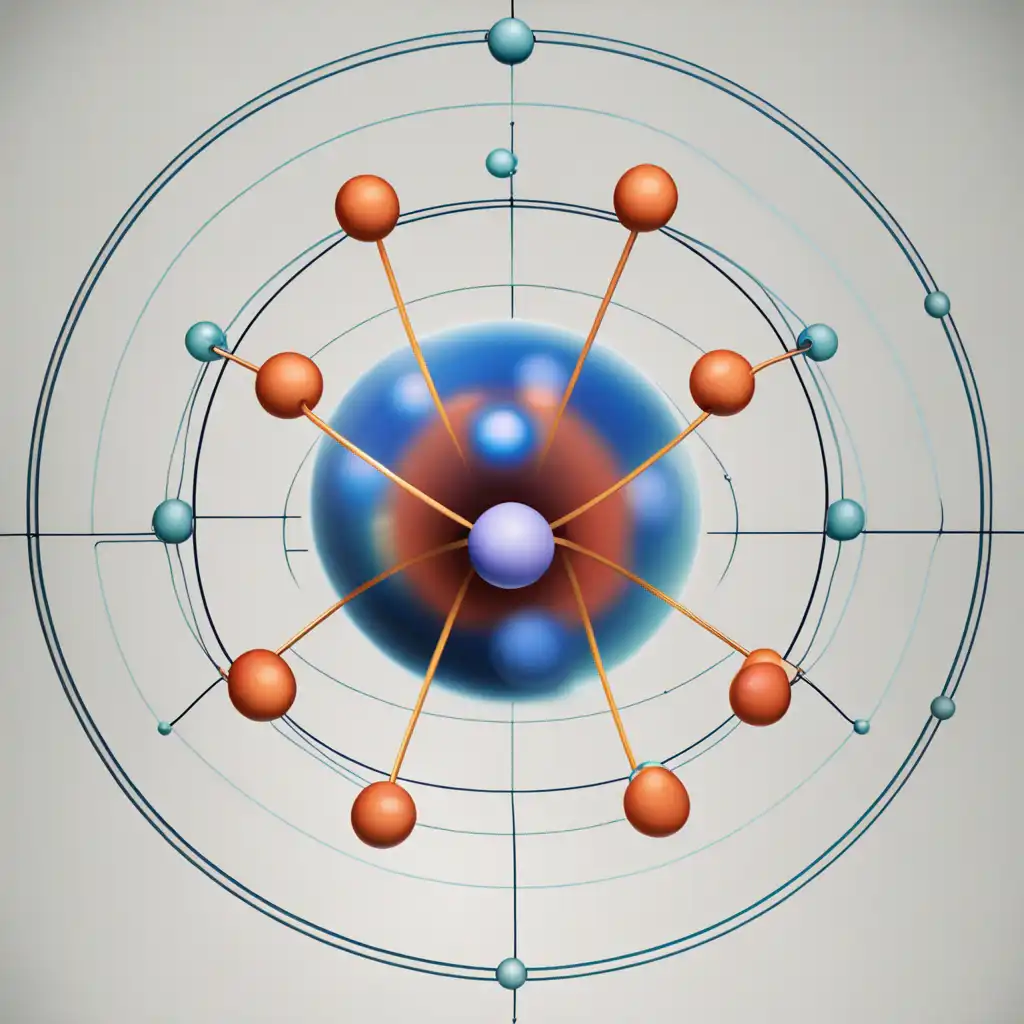
A place in an atom or molecule where there is a concentration of electrons
The electron node location can be calculated.
nəʊd
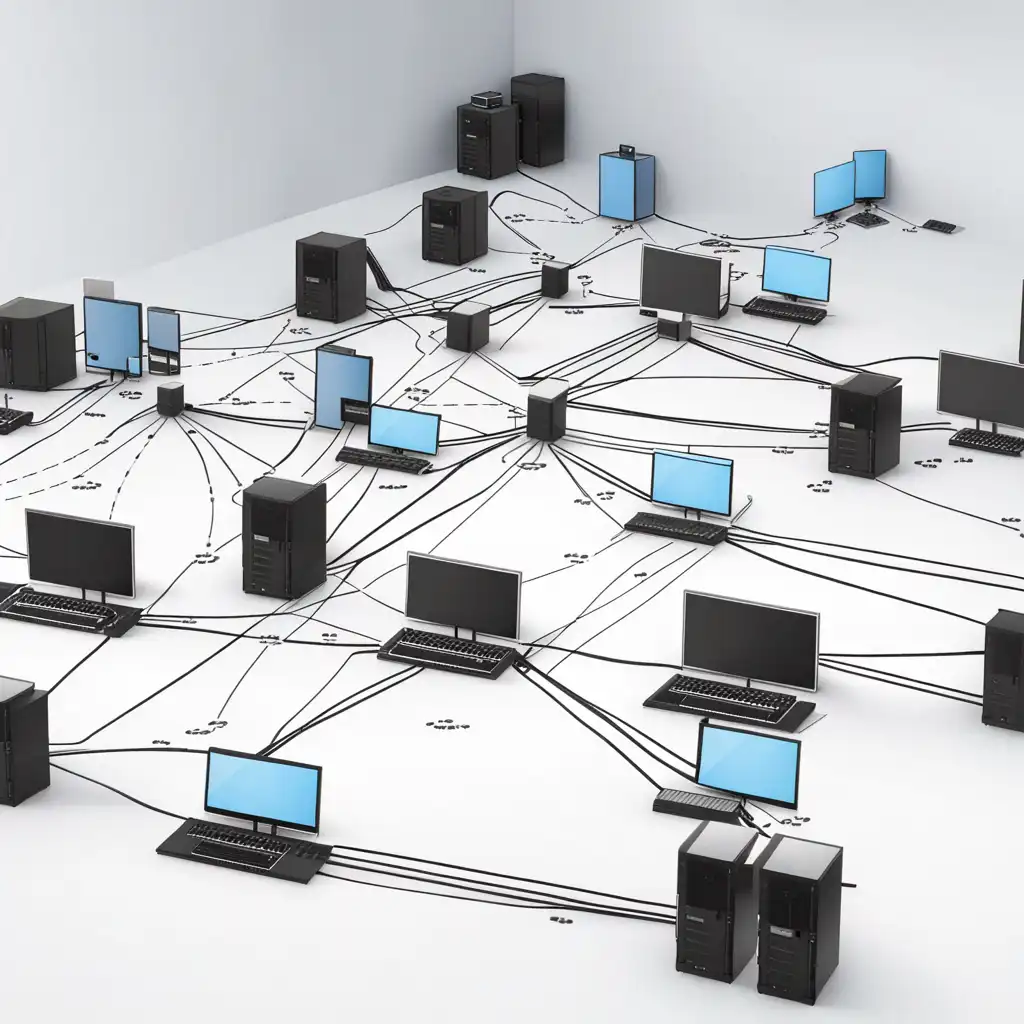
A device in a computer network that serves as a connection point
Nodes in a network can be computers, printers or servers.
nəʊd
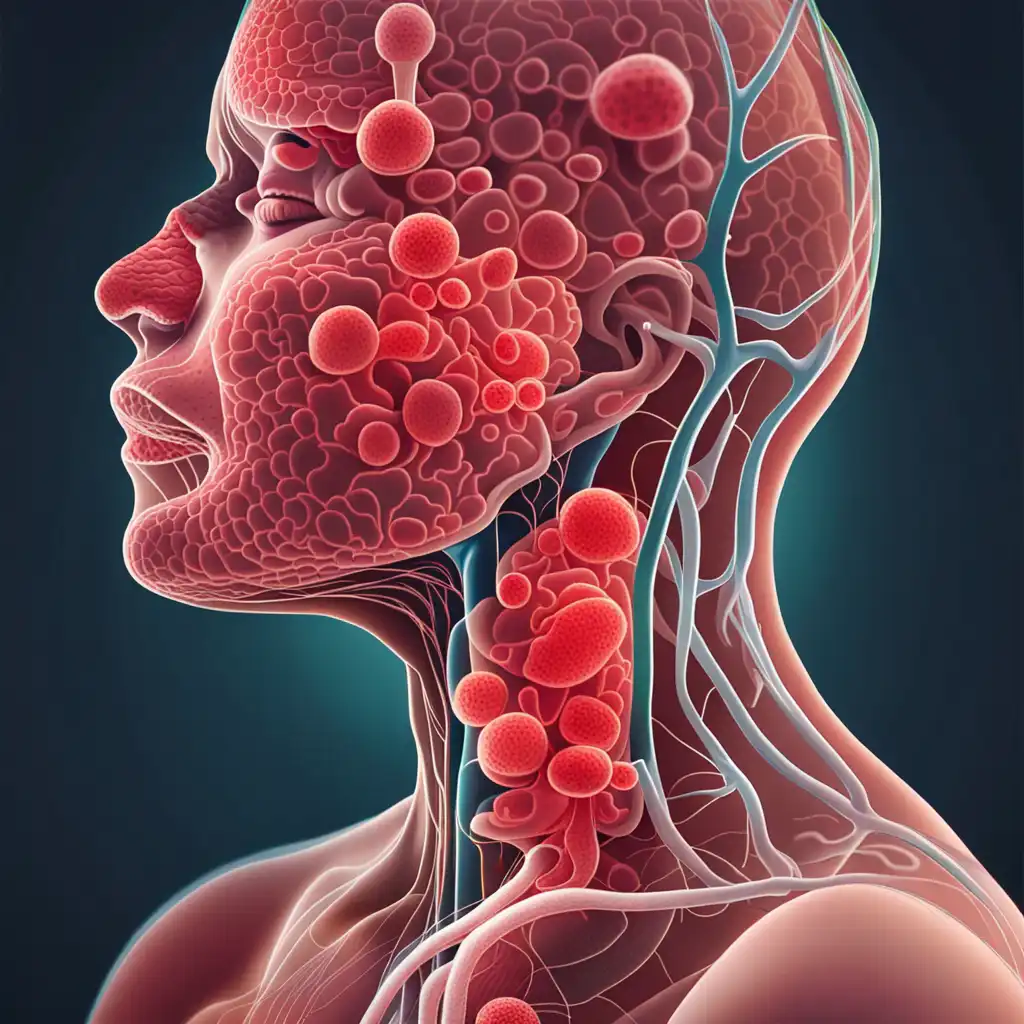
A lump or swelling in the body
The doctor checked the lymph nodes for signs of infection.

nəʊd
A point on a plant stem where a leaf is attached
The node on the stem was where the leaf grew.
Impossible de charger l’audio. Réessayez plus tard.
'Node' is a word commonly used in technology and computer science to refer to a point or connection in a network. In simple terms, a node is a point where different parts of a system come together or connect to each other. For example, in a computer network, nodes could refer to computers or servers that are connected to each other. In the context of a transportation network, a node could refer to a major hub that connects multiple bus or train lines together. Essentially, a node is like a central point or intersection in a larger system.
Centre refers to a point or place that is central, or at the middle of something.
It can refer to physical locations, such as the center of a room or a city, or abstract concepts like the central idea of an essay or topic.
Centre tends to refer to a single point that is central to a larger entity or system, while node tends to refer to one of many points of connection or interaction within a system.
Ouvrir le mot: Centre →A hinge is a movable joint or mechanism that connects two objects and allows one to swing or rotate relative to the other.
A hinge is a physical object used to allow movement or rotation, while a node is a point of connection or intersection between multiple paths or devices.
Ouvrir le mot: Hinge →A hub is a central point that connects multiple devices in a network. It acts as a mediator, allowing devices to communicate with each other.
Hubs are not intelligent devices and typically work at Layer 1 of the OSI model, meaning they do not analyze or modify the data that passes through them.
Unlike hubs, nodes are typically intelligent devices that can analyze and modify data.
A hub is a central point that connects multiple devices in a network, while a node refers to any point that is connected to the network.
Ouvrir le mot: Hub →Intersection is commonly used in reference to roads or paths that cross each other. It specifically refers to the point where two or more roads or paths meet, allowing vehicles or pedestrians to cross from one to the other.
Intersection refers specifically to a meeting point of roads or paths, while node can refer to any kind of meeting point in a network.
Ouvrir le mot: Intersection →A junction is a place where two or more things meet or cross each other. In the context of transportation, junctions refer to intersections or interchanges between different roads or railway lines.
In the context of biology, junctions refer to the point where different tissues or organs in the body meet and connect to each other.
In summary, junctions refer to physical meeting points in transportation or biology, while nodes refer to points in a network where data converges or diverges in computer science, or where branches or leaves diverge in botany.
Ouvrir le mot: Junction →Both the words knot and node have similar meanings but are used in different contexts.
Knot refers to a tied-up tangle or a fastening made by looping a piece of string or rope on itself. Knots are commonly used in fishing, sailing, and tying shoelaces.
Knots can be used to join two or more ropes together, secure an object, or prevent the rope from unraveling.
So, in general, a knot is used when referring to tying something together, while a node is used when referring to a point where things intersect or connect.
Ouvrir le mot: Knot →Nexus and node are both terms used in the context of networks or systems, but their meanings are slightly different.
A nexus refers to a central point of connection or intersection within a network or system.
It is often used to describe a focal point or hub that links different components together. For example, the brain can be seen as the nexus of the nervous system since it receives and processes information from all parts of the body.
A nexus is a central hub or point of connection, whereas a node is any point or location within a network or system.
Ouvrir le mot: Nexus →A node is a point of connection, whereas a pivot is a point of rotation.
A pivot is a fixed point around which something rotates. For example, in physics, a pivot point is the support point for a lever, and in geometry, a pivot is a point that is fixed when other points move around it.
A node is a connection point or a data point, and a pivot is a fixed point of rotation. Each is applicable in different contexts depending on the nature of the system or problem being considered.
Ouvrir le mot: Pivot →The areas where the salt gathers are actually where the sound waves are canceling each other out, known as "nodes," and controlling those is the key to sonic levitation. A team of world-leading scientists are pushing that idea to its limits.
Voir sur YouTube ↗I would have volunteered to work at Netscape. It was the center node of this new technology and the commercial ecosystem of the Internet.
where nodes would be friends and links would be your friendships. Now we all know that some of those nodes, or friends, are busier than others, like that friend who is always sending out group messages. Well it's the same in forests, and these nodes in forests, we call them hubs,
Voir sur YouTube ↗Just like the brain consists of billions of highly connected neurons, a basic operating unit in a neural network is a neuron-like node. It takes input from other nodes and sends output to others.
The biggest darkest nodes are the busiest nodes. We call those hub trees, or more fondly mother trees, because it turns out that those hub trees nurture their young,
Voir sur YouTube ↗I think what actually works best is local-level individual targeting of key leadership nodes.
They need to produce these chemicals are then distributed throughout the body by way of the cardiovascular system the cardiovascular and nervous systems are also utilized by the lymphatic system a collection of lymph nodes and vessels that help regulate the body's defenses
Voir sur YouTube ↗The possible solutions to a given problem emerge as the leaves of a tree, each node representing a point of deliberation and decision.
us more time and which he was very helpful to do so when that I get that deadline I went back to Nortel this and that work cannot sell he said that there is a system called pick a node which
Voir sur YouTube ↗If you find a node that you can penetrate, that you can eliminate, and draw more information for future operations, I think it's prudent to do.
And the nodes matter because they connect the edges, and are where we may need to make choices as we run from edge to edge. This simplification into nodes and edges leaves us with a ubiquitous and important mathematical object known as a graph, or network.
Voir sur YouTube ↗In effect, the Internet is a global connection of interconnected computers. It has been described as truly a peer-to-peer system with many distributed nodes and no central point of control architecture.
But the general idea is that they all fit into this knowledge map. That top node right there that's literally single-digit addition, it's like one plus one is equal to two. The paradigm is once you get 10 in a row on that, it keeps forwarding you to more and more advanced modules. Further down the knowledge map,
Voir sur YouTube ↗Traditional PCs face competition from specialty products like Palm Pilots and from the servers that provide the nodes in computer networks. Microsoft's Windows CE hasn't done too well in the specialty-device market, and its Windows NT faces strong competition for server customers.
to kids' play areas around and inside the common house; in the consideration of scale and distribution of social gathering nodes in and around the community to support our daily lives, all of these spaces help contribute to and elevate
Voir sur YouTube ↗It's been a concern of mine for years that the mainstream media coverage of culture and politics takes place in two nodes, Washington and New York, and yet all the voting goes on somewhere else.
develops into this complicated structure. And so you know when you first saw this picture, it didn't mean quite so much to you. Here you're looking across one percent of the volume of the visible universe and you're seeing billions of galaxies right and nodes, but you realize they're not even the main structure.
Voir sur YouTube ↗Well, I've been lucky. I've never gotten a voice polyp. I've never gotten nodes. But I do get sick, usually every tour, and to varying degrees. Sometimes it's a sinusitis.
Oh and by the way if they do it in complete silence, they do it much better and much more quickly. Really interesting -- talking gets in the way. So here's some key lessons that can emerge from this. First drawing helps us understand the situations as systems with nodes and their relationships.
Voir sur YouTube ↗The cells of an organism are nodes in a richly interwoven communications network, transmitting and receiving, coding and decoding. Evolution itself embodies an ongoing exchange of information between organism and environment.