morphology
noun morphology
mɔːrˈfɑːlədʒi
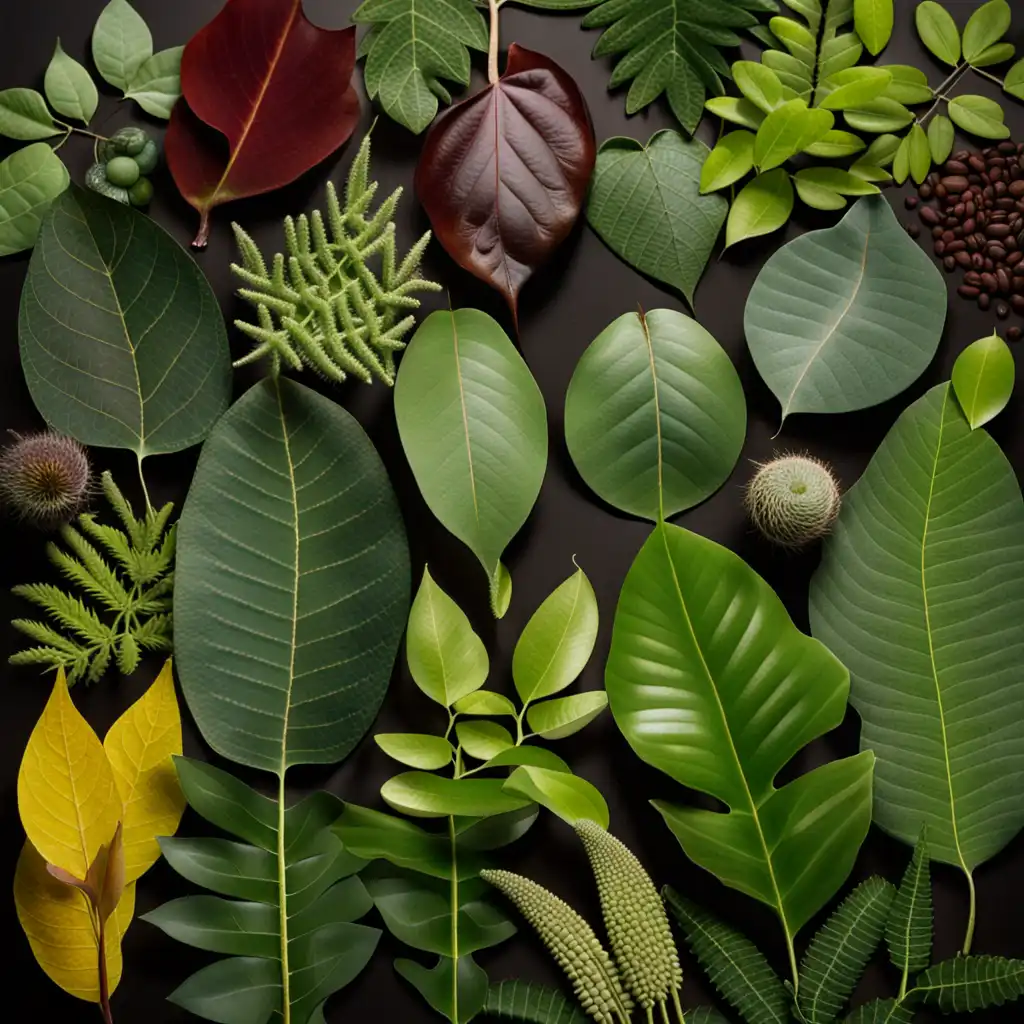
The study of the shapes and forms of things in science.
In biology class, we learned about the morphology of plants, understanding how the shape of their leaves can vary.
morphology
mɔːrˈfɑːlədʒi
Chargement…
mɔːrˈfɑːlədʒi
The study of the shapes and forms of things in science.
In biology class, we learned about the morphology of plants, understanding how the shape of their leaves can vary.
mɔːrˈfɑːlədʒi
The way that words are formed in a particular language.
'Unhappiness' consists of the prefix 'un-', the root word 'happy', and the suffix '-ness'. Understanding this is part of studying English morphology.
mɔːrˈfɑːlədʒi
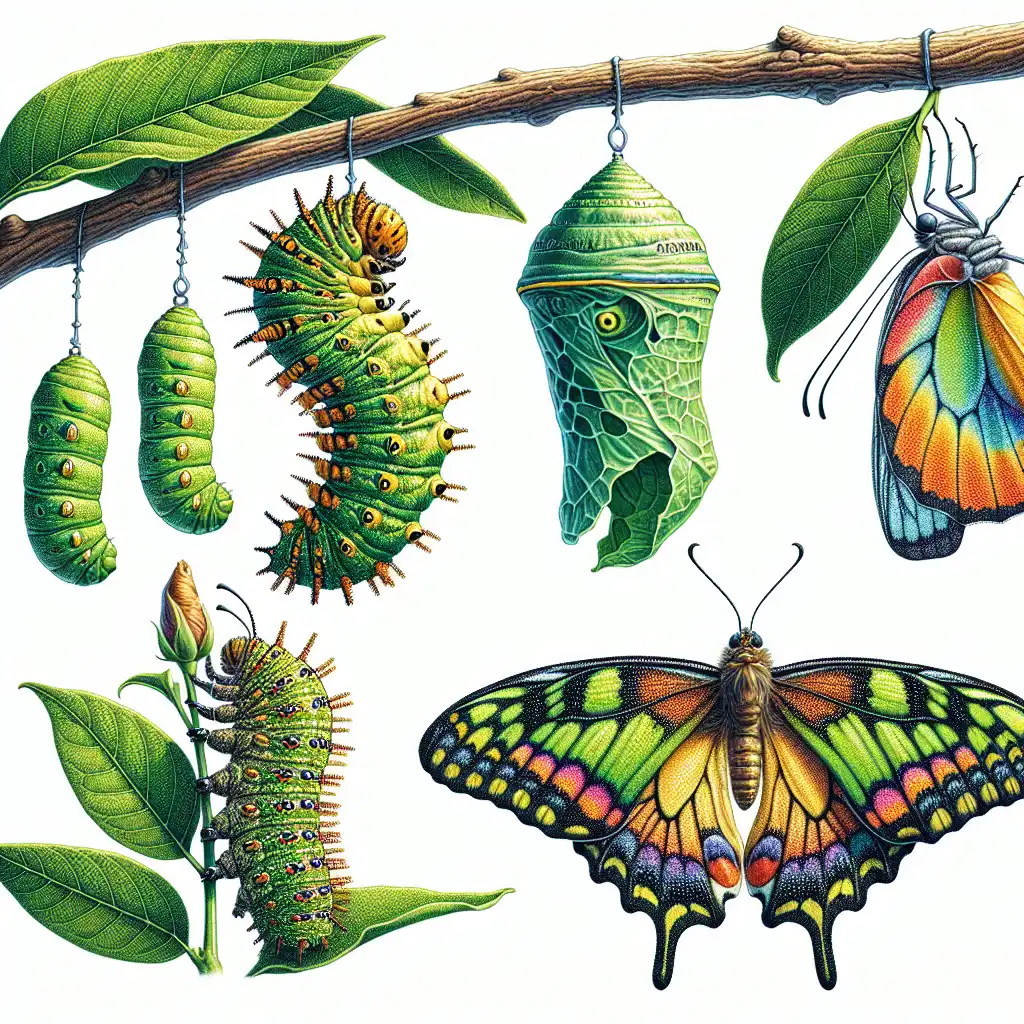
The structure and form of animals, plants, and other organisms.
The morphology of the butterfly is noticeable due to changes it undergoes from a caterpillar to a winged creature.
Impossible de charger l’audio. Réessayez plus tard.
Morphology is the study of the way words are formed and how they work in a language. It is especially helpful for English learners to understand how to create different forms of a word and how they affect the meaning of a sentence. For example, adding the "s" at the end of "cat" changes the word to "cats," indicating that there is more than one cat. Knowing about the changes in morphology can help English learners form sentences correctly and communicate ideas clearly.
Anatomy refers to the study of the structure of living things, such as organs, bones, and muscles.
Anatomy focuses on the detailed structure and function of specific body parts while morphology focuses on the physical characteristics of living and non-living objects.
Ouvrir le mot: Anatomy →Composition refers to the way in which parts are combined to form a whole. It typically applies to things like music or writing, where different elements are brought together to create one piece.
Composition is about putting things together, while morphology is about understanding their shapes and forms.
Ouvrir le mot: Composition →Configuration refers to the arrangement or organization of something, like the way parts are arranged to create a whole.
So while both words refer to the structure of something, configuration is generally broader and more versatile, and morphology is limited to describing the structure of living things.
Ouvrir le mot: Configuration →Construction refers to the process of building something, such as a building or a road. Morphology refers to the study of the form and structure of things, especially in language and biology.
So while construction is applicable in physical construction projects, morphology is applicable in language and biological studies.
Ouvrir le mot: Construction →Form refers to the overall shape, appearance, or structure of something.
Morphology is a more specific term used in biology and linguistics to describe the study of the form and structure of organisms or languages.
Form is a general term used to describe the shape or appearance of something, while morphology is a more specific term used to describe the study of form and structure in biology and linguistics.
Ouvrir le mot: Form →Organization refers to the way that things are structured, arranged, and coordinated in a particular system or group.
Morphology focuses on the physical characteristics of living organisms, while organization relates to how things are put together and operate in different systems or structures.
Ouvrir le mot: Organization →Shape refers to the specific physical appearance or outline of an object or organism.
So while both words deal with physical characteristics, morphology is more technical and scientific in nature, while shape is more general and commonly used in everyday speech.
Ouvrir le mot: Shape →Structure is a more general term that can refer to the arrangement or organization of anything, from buildings to language.
It can also encompass the physical characteristics or properties of something, like its composition or durability. Structure is used in a wide range of fields, from engineering to literature, to describe the way things are put together and how they function.
So, while morphology specifically focuses on living organisms and their physical characteristics and organization, structure can refer more broadly to the arrangement and composition of anything.
Ouvrir le mot: Structure →The Impact of Keeping...
Voir sur YouTube ↗I ascribe a basic importance to the phenomenon of language. To speak means to be in a position to use a certain syntax, to grasp the morphology of this or that language, but it means above all to assume a culture, to support the weight of a civilization.
New Human Ancestor...
Voir sur YouTube ↗The independent role of morphology in mate choice is revealed by the rare instances where the usual association between song and morphology is disrupted.
How we'll become cyborgs...
Voir sur YouTube ↗We must consider the distinctive characters and the general nature of plants from the point of view of their morphology, their behavior under external conditions, their mode of generation, and the whole course of their life.
Why do fingers become...
Voir sur YouTube ↗Goethe died in 1832. As you know, Goethe was very active in science. In fact, he did some very good scientific work in plant morphology and mineralogy. But he was quite bitter at the way in which many scientists refused to grant him a hearing because he was a poet and therefore, they felt, he couldn't be serious.
A robot that runs and...
Voir sur YouTube ↗Margaret Wertheim: The...
Voir sur YouTube ↗An Ancient Human Skull %\PIPE%...
Voir sur YouTube ↗Reimagining Dinosaurs %\PIPE%...
Voir sur YouTube ↗The beautiful math of...
Voir sur YouTube ↗DNA and "Life on Ice" %\PIPE%...
Voir sur YouTube ↗