gland
noun gland
ɡlænd
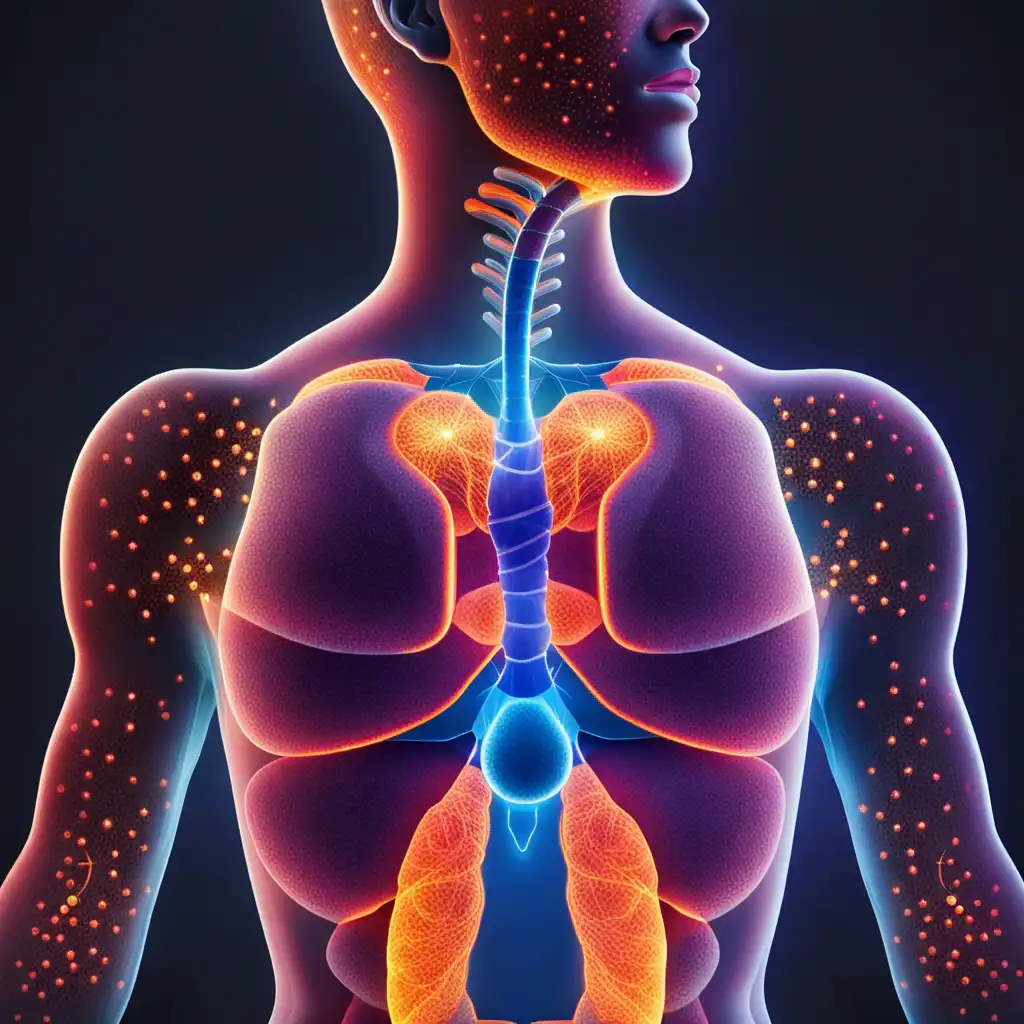
A body part which produces and releases substances that help the body to do certain jobs or functions.
The thyroid gland produces hormones that regulate the body's metabolic rate.
gland
ɡlænd
Đang tải…
ɡlænd
A body part which produces and releases substances that help the body to do certain jobs or functions.
The thyroid gland produces hormones that regulate the body's metabolic rate.
ɡlænd
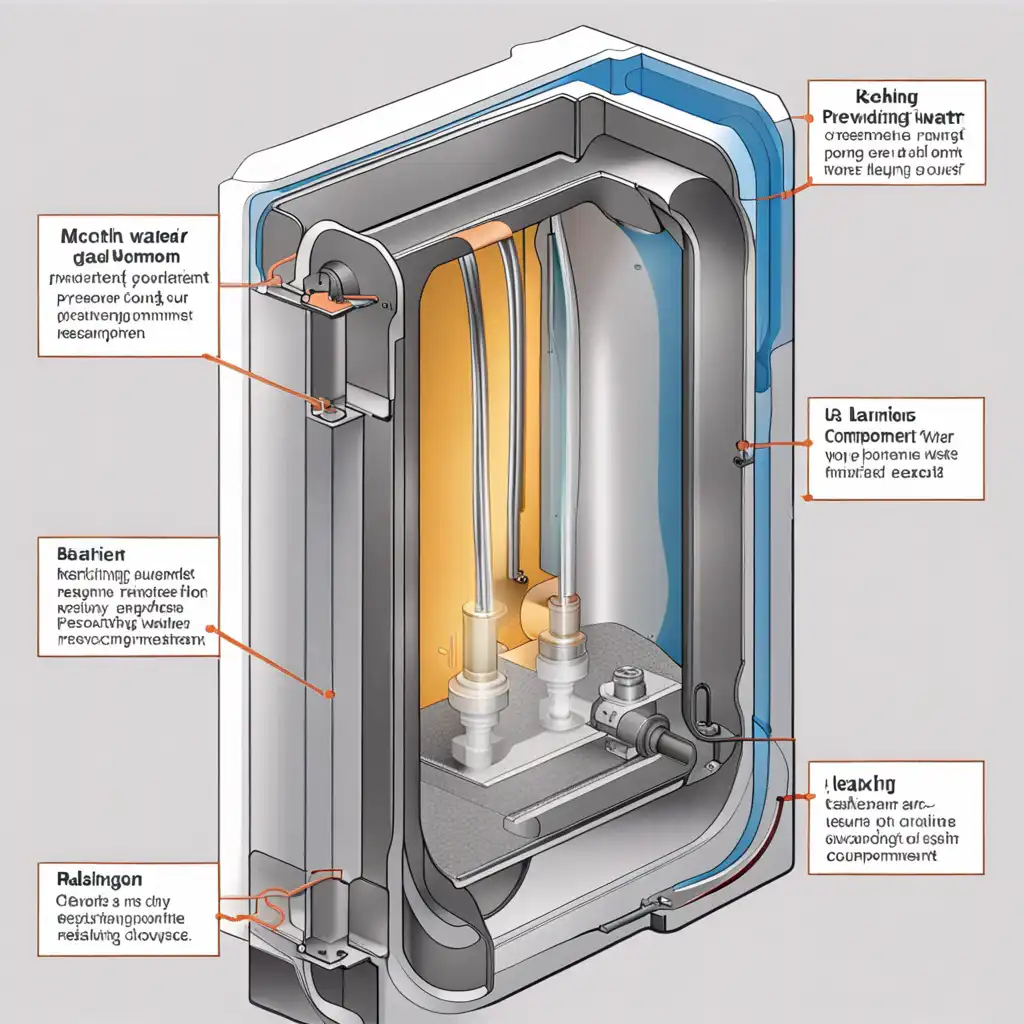
A device in machinery that prevents leakage of fluid.
The pump has a gland to prevent water leakage.
Không tải được âm thanh. Vui lòng thử lại sau.
A gland is a part of your body that makes and releases substances like hormones or sweat. Some glands are located in your neck, under your arms, and near your private parts. These parts are important for your body to function properly. When you talk about glands, you might be talking about how they work, how they affect your health, or how they can be treated if something goes wrong.
A duct is a passageway or channel that allows fluids or gases to flow through it.
It is used for the transportation or movement of substances such as air, water, sweat, and digestive juices. Ducts are commonly found in the human body and in buildings for ventilation or heating and cooling systems.
Glands can be divided into two types: exocrine glands and endocrine glands. Exocrine glands secrete their products into ducts, which then carry the substances to specific parts of the body such as the skin, mouth, or digestive system.
Endocrine glands release their products directly into the bloodstream to travel to other parts of the body.
In summary, ducts are channels for transportation, while glands produce substances for secretion.
Mở từ: Duct →Endocrine refers to the system in the body that produces and secretes hormones. Hormones are chemical messengers that regulate various bodily functions such as growth, metabolism, and reproduction.
The endocrine system includes glands such as the pituitary gland, thyroid gland, and adrenal gland.
Glands can be part of the endocrine system or other systems in the body, such as the digestive system.
So, while endocrine refers specifically to the system that produces hormones, gland refers more generally to any organ that produces and releases substances.
Mở từ: Endocrine →Enzyme and gland are two different concepts. An enzyme is a type of protein that helps speed up or catalyze chemical reactions in the body.
Enzymes are applicable in the body's metabolic processes, such as digestion, cellular respiration, and synthesis of new molecules.
Without enzymes, these processes would be slow and inefficient.
In summary, enzymes are proteins that speed up chemical reactions in the body, while glands are organs that produce and release substances to regulate bodily functions.
Mở từ: Enzyme →A gland is an organ in the body that produces and secretes substances like hormones, enzymes, and saliva. Hormones are chemical messengers that regulate various bodily functions such as growth, metabolism, and mood.
Glands produce hormones and release them into the bloodstream so they can travel to different parts of the body and affect the target organs.
A gland is applicable in terms of production and secretion, while a hormone is applicable in terms of regulation and function.
Mở từ: Hormone →A gland is a type of organ that secretes substances such as hormones and enzymes. Examples of glands include the pituitary gland, which regulates growth and reproduction, and the salivary gland, which produces saliva to aid in digestion.
An organ is a group of tissues that work together to perform a specific function in the body. For example, the heart is an organ that pumps blood to transport oxygen and nutrients throughout the body.
So, glands are a subset of organs that specifically secrete substances, while organs refer to any group of tissues that work together to perform a particular function in the body.
Mở từ: Organ →Glands are found within organisms, but they are not whole organisms themselves.
Organism refers to a living thing that can carry out all the processes necessary for life, such as growth, metabolism, and reproduction.
Examples of organisms include humans, animals, plants, and bacteria. Organs, such as the heart or lungs, are part of an organism, and work together to keep the organism alive.
In summary, glands are specialized parts of an organism that produce and release specific substances, while an organism is a complete living thing that possesses all the characteristics of life.
Mở từ: Organism →Tissue refers to a group of cells that work together to perform a specific function. There are many different types of tissue in the body, such as muscle tissue that enables movement, nerve tissue that carries signals throughout the body, and epithelial tissue that lines organs and protects the body.
So, glands are a specific type of organ that produce and secrete substances, while tissues are groups of cells that work together to perform a function.
Both glands and tissues are important parts of the body and contribute to overall health and function.
Mở từ: Tissue →consists mostly of hardened cells called keratinocytes, and provides protection. Since its outer layer is constantly being shed and renewed, it's pretty easy to repair. But sometimes a wound penetrates into the dermis, which contains blood vessels and the various glands and nerve endings
Xem trên YouTube ↗Success is dependent upon the glands - sweat glands.
their striking patches may help them stay cool it was found that underneath each darkened patch they had sweat glands but the size of these glands were significantly larger suggesting that indeed their skin plays a vital part in
Xem trên YouTube ↗Our experiments not only proved the existence of a nervous apparatus in the above-mentioned glands, but also disclosed some facts clearly showing the participation of these nerves in normal activity.
to become more compassionate and caring. But here's what most people don't understand about oxytocin. It's a stress hormone. Your pituitary gland pumps this stuff out as part of the stress response.
Xem trên YouTube ↗If you eat junk, you look like junk. People say, 'It's not my fault, it's my glands.' It's not; it's greed!
Allows three other systems to regulate the body's environment the endocrine lymphatic and urinary systems The endocrine system is a series of glands that use information carried by the nervous system to help regulate the body's processes
Xem trên YouTube ↗I started feeling this little lump in my throat, like you would feel if you have swollen glands or something like that, like you'd feel if you have a cold, so I didn't really think it was anything.
pineal gland which is conveniently located right in the centre of the brain and a Massachusetts country doctor once claimed to have actually weighed the soul as it left the body at death three-quarters of an ounce he said but
Xem trên YouTube ↗A couple of hanging glands have nothing to do with making someone a man.
and tear glands that secrete a protective film. But equally important was the accompanying evolution of the brain, with its expansion of the visual cortex to process the sharper and more colorful images it was receiving. We now know that far from being an ideal masterpiece of design,
Xem trên YouTube ↗If you were to open up a baby's head - and I am not for a moment suggesting that you should - you would find nothing but an enormous drool gland.
The droplets combine with each other and other molecules and are then expelled and stored in spaces between cells. Mammary glands eventually secrete the milk through the breasts udders, or in the rare case of the platypus through ducts in the abdomen.
Xem trên YouTube ↗On some summer days in New York City, the air hangs thickly visible, like the combined exhalations of eight million souls. Steam rising from vents underground makes you wonder if there isn't one giant sweat gland lodged beneath the city.
Each month beginning around puberty, the hormone-producing pituitary gland in the brain starts releasing two substances into the follicle stimulating hormone and luteinizing hormone. When they reach the ovaries, they encourage the internal egg cells to grow and mature.
Xem trên YouTube ↗War will never cease until babies begin to come into the world with larger cerebrums and smaller adrenal glands.
smart enough to cooperate marine iguanas takin too much salt with their food but with the help of special glands they sneeze it out
Xem trên YouTube ↗I have no desire to work my adrenal glands any harder than necessary. I like lazing around; it's pretty important to my well-being. But I also get bored, so that's when my culture-vulturing kicks in.
but his navigational equipment doesn't stop there wherever he goes glands on his barely laid on a scent that acts like a paper trail allowing him to retrace his steps back home
Xem trên YouTube ↗Your liver is your vital detoxification organ, and if it becomes overloaded with toxins from the food, drink, or medications you're consuming, you'll have more toxins circulating throughout your body, damaging your organs and glands. Detoxing your liver will help it work more efficiently - and help you slim your waistline.