shrinkage
noun shrinkage
ˈʃrɪŋkɪdʒ
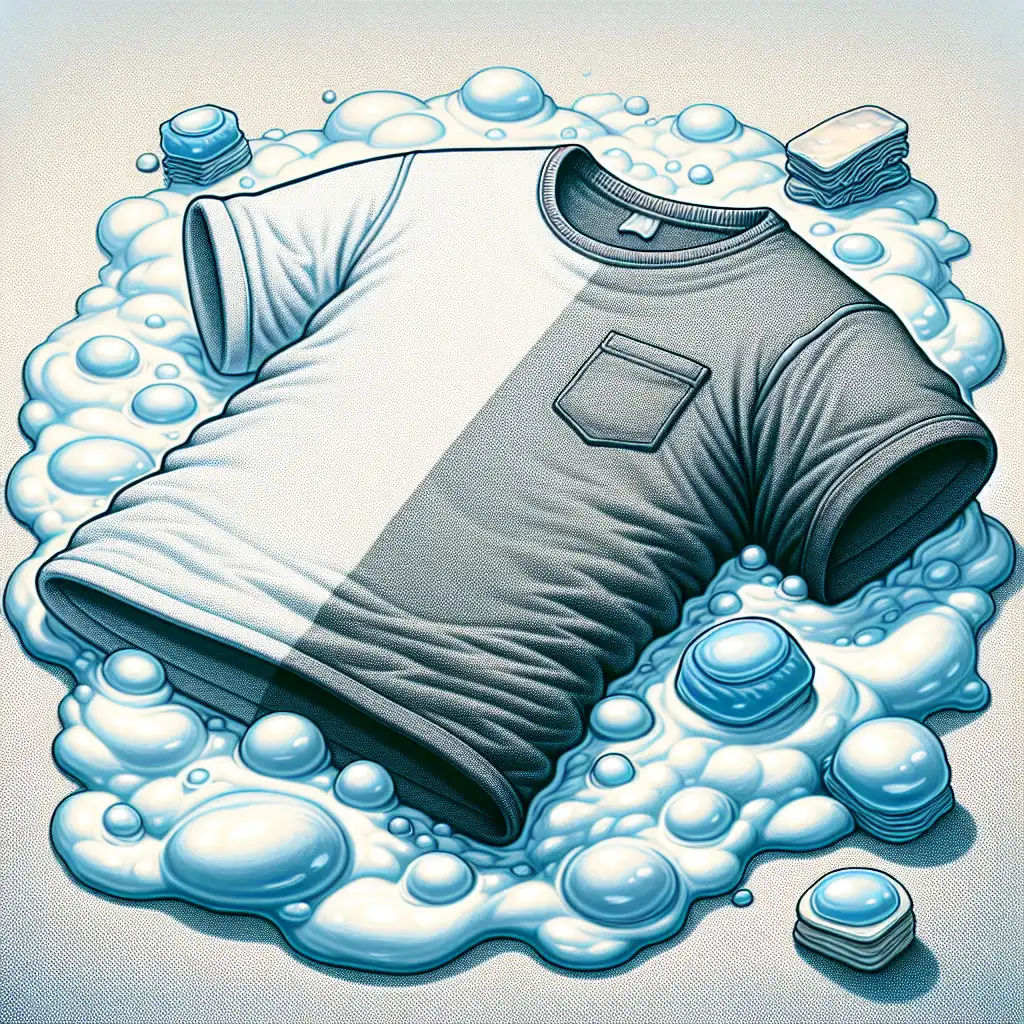
The process of becoming smaller in size
The cotton T-shirt suffered shrinkage in the wash.
shrinkage
ˈʃrɪŋkɪdʒ
加载中…
ˈʃrɪŋkɪdʒ
The process of becoming smaller in size
The cotton T-shirt suffered shrinkage in the wash.

ˈʃrɪŋkɪdʒ
The loss in weight or volume of something
The company reported an unacceptable level of shrinkage in the stock.

ˈʃrɪŋkɪdʒ
The lengthwise contraction of fabric or wood
The fabric has undergone shrinkage after a hot wash.

ˈʃrɪŋkɪdʒ
The reduction in value or amount of an investment
The investor saw significant shrinkage in his portfolio.
音频无法加载,请稍后再试。
Shrinkage refers to the process of something getting smaller in size or amount. For example, if you put a sweater in the dryer and it becomes smaller, this is shrinkage. In a business context, shrinkage can refer to the loss of goods due to theft, damage or other reasons. Shrinkage could also refer to the loss of money due to an inefficient process or other factors. It is important to understand the context in which it is being used to understand its meaning.
Compression and shrinkage both describe the reduction in size or volume of something, but they have different applications.
Compression is the squeezing or pressing of something, causing it to become smaller in size or volume. This can be seen in things like compressing a sponge or pressing down on a spring.
Compression is often used in engineering and manufacturing, such as when compressing gas for storage or when creating compact devices like smartphones.
Compression involves squeezing something to make it smaller, while shrinkage refers to an object becoming smaller due to external factors.
打开单词: Compression →Contraction and shrinkage both generally mean a decrease in size or volume, but they are used in different contexts.
Contraction is often used in reference to muscles, where it means the tightening or shortening of the muscle fibers.
Contraction usually refers to a physical tightening or shortening, while shrinkage tends to be associated with a loss of moisture or cooling.
打开单词: Contraction →Both words refer to a reduction or a decrease in something, but their usage is different. Decrease is a more general term that can be used for any kind of reduction in size, quantity or amount.
For example, you may use the word decrease to talk about a decrease in the volume of music, a decrease in the number of people attending a concert, or a decrease in the price of a product.
For instance, a store manager might say that he's concerned about shrinkage because he's noticed a decrease in the number of products on the shelves.
The main difference between decrease and shrinkage is that decrease is a general term that can be used for any kind of reduction, while shrinkage specifically refers to a loss or waste of something.
打开单词: Decrease →Diminution and shrinkage both refer to a decrease in size or amount but they are used in different contexts.
Diminution generally refers to a gradual and intentional reduction of something, such as a decrease in the number of employees in a company or in the amount of food consumed to lose weight.
Diminution is a planned reduction while shrinkage is an unplanned decrease.
打开单词: Diminution →Erosion refers to the gradual wearing away or removal of soil or rock by natural forces like wind or water. This happens over a long period of time and can result in changes in the shape of the land, such as a river carving a canyon or a coastline being reshaped by waves.
This can happen to materials like fabrics or plastics, or to living organisms like plants. Both terms refer to processes of change, but erosion applies to changes in the physical landscape, while shrinkage refers to changes in the size of materials.
打开单词: Erosion →Loss refers to a situation in which something is completely gone or missing. For example, if you lost your wallet, it means it's nowhere to be found.
In commerce, loss is applicable to situations where it is uncertain how something went missing, and there's no hope for recovery, while shrinkage is applicable when things have gone missing, but there is a possibility of recovering some or all of the losses.
打开单词: Loss →Reduce means to make something smaller or lessen its amount, usually intentionally.
It can be used for various things, such as reducing the size of a book, reducing the amount of sugar in a recipe, or reducing pollution levels.
Reduce is generally intentional, while shrinkage is often unintentional and refers specifically to loss or theft.
打开单词: Reduce →Shrinkage refers to a decrease in size or quantity, while withdrawal refers to the act of taking something back or removing oneself from a situation.
Withdrawal is applicable when someone is taking something back or removing themselves from a situation. This can refer to withdrawing money from a bank account, withdrawing a statement that was made, or withdrawing from a group or activity.
Shrinkage is when something gets smaller or less in quantity, while withdrawal is when someone takes something back or removes themselves from a situation.
打开单词: Withdrawal →"We have to be the...
在 YouTube 上观看 ↗Creating materials...
在 YouTube 上观看 ↗The otherworldly...
在 YouTube 上观看 ↗What You Can Do to...
在 YouTube 上观看 ↗How memories form and...
在 YouTube 上观看 ↗Why do some people go...
在 YouTube 上观看 ↗What if cracks in...
在 YouTube 上观看 ↗Adam Savage: My...
在 YouTube 上观看 ↗Desert %\PIPE% National...
在 YouTube 上观看 ↗David Agus: A new...
在 YouTube 上观看 ↗