ambience
noun ambience
ˈæmbiəns
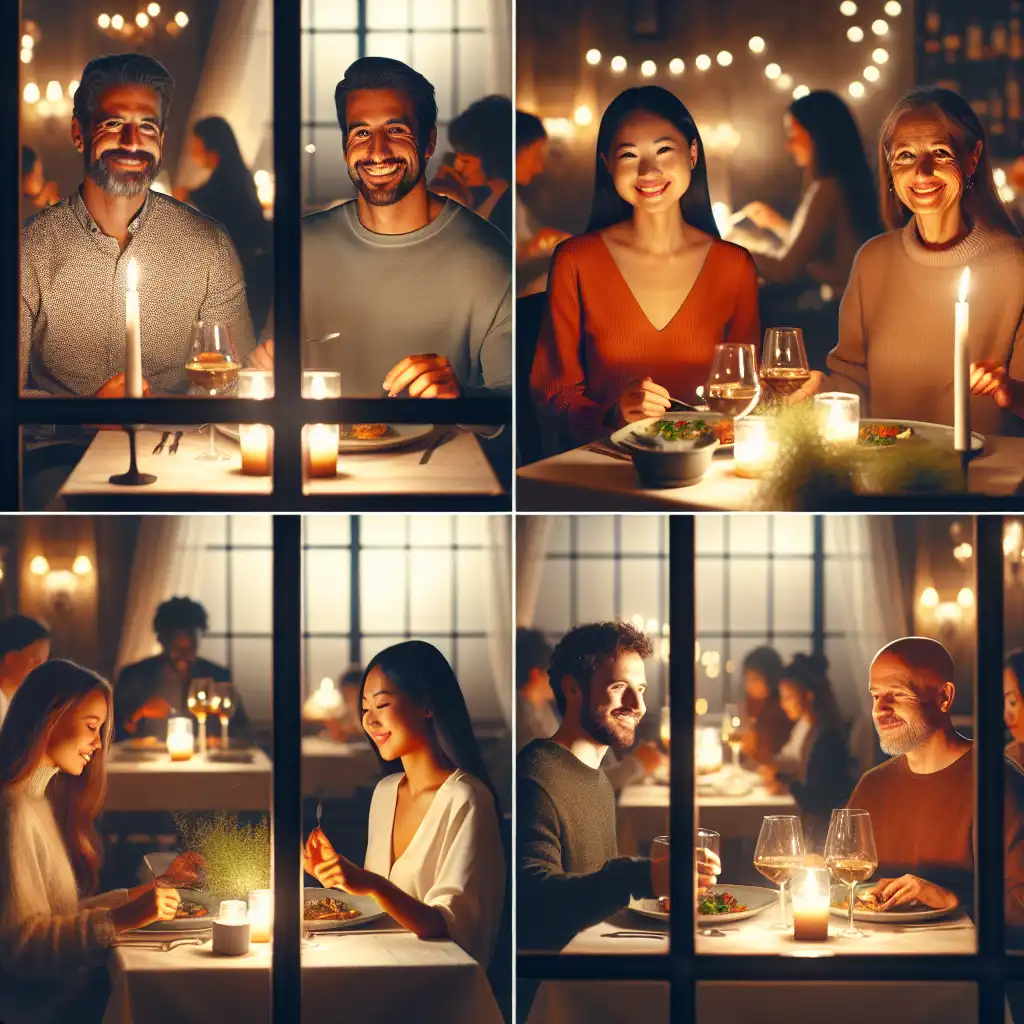
The atmosphere or mood of a place or situation
The restaurant was popular because of its tranquil ambience.
ambience
ˈæmbiəns
Đang tải…
ˈæmbiəns
The atmosphere or mood of a place or situation
The restaurant was popular because of its tranquil ambience.
ˈæmbiəns
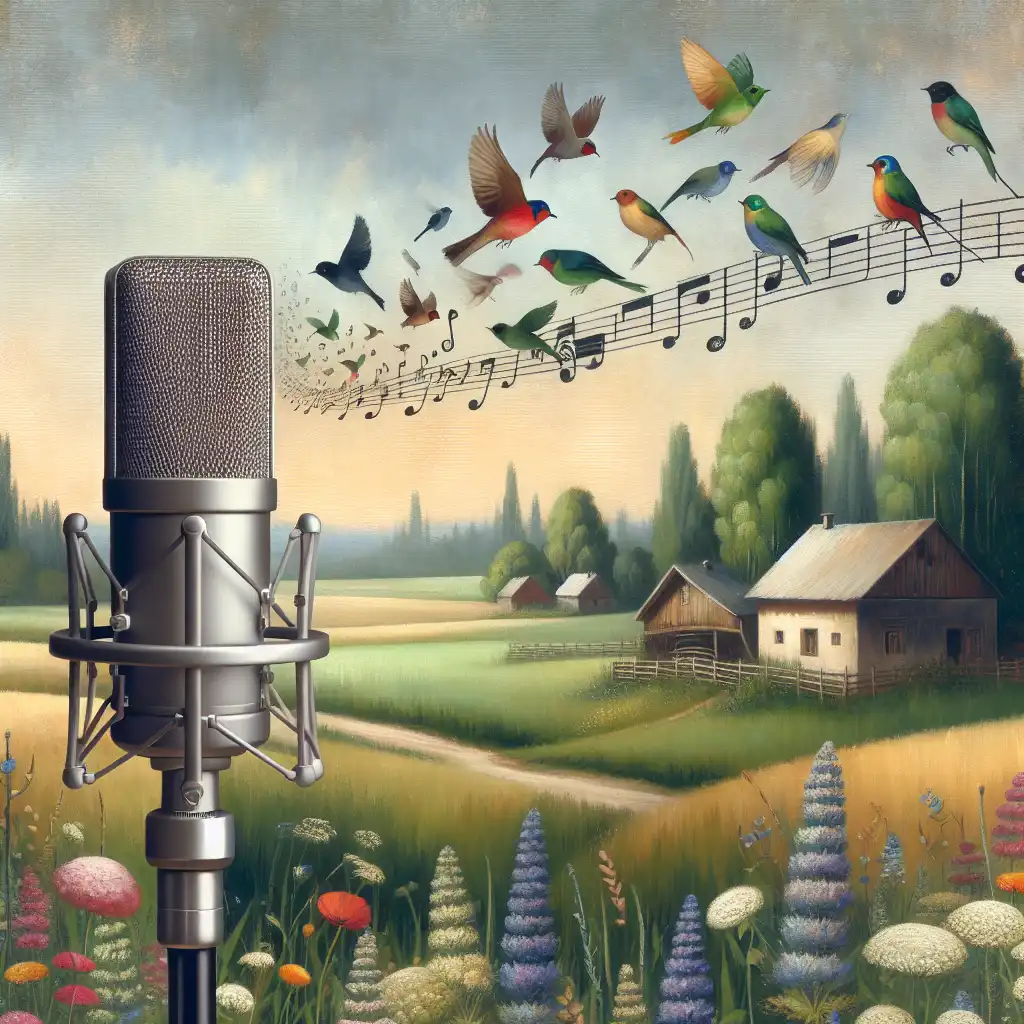
Background noise that is always present in a recording or broadcast
The ambience of the recording includes the sound of birds chirping in the background.
ˈæmbiəns
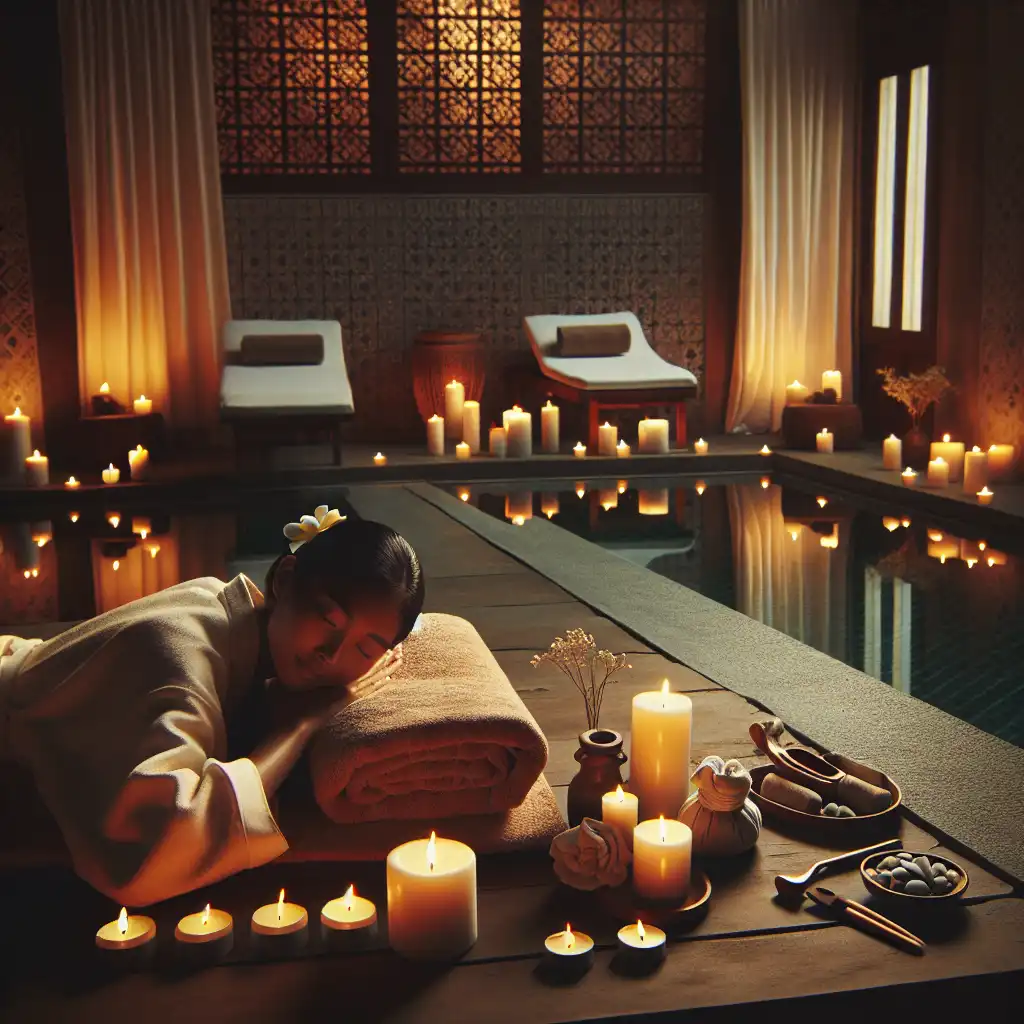
The character and atmosphere of a place with regard to the effect that it has on the senses
The spa has a calm ambience that helps you relax.
Không tải được âm thanh. Vui lòng thử lại sau.
The word 'ambience' means the atmosphere or environment of a particular place. It is used to describe the overall feeling or mood that is created by the surroundings or surroundings. For example, a restaurant might have a warm and inviting ambience that makes people feel comfortable and relaxed. Similarly, a park might have a peaceful and calming ambience that encourages people to unwind and enjoy the natural beauty of the surroundings. The word can be used in a variety of contexts, from describing the ambience of a room, to the ambience of a city or country.
Both ambience and atmosphere refer to the mood or feeling of a place, but they are used in different ways. Ambience refers to the overall environment or surroundings of a place, including the sounds, smells, and visual elements that create a particular feeling or vibe.
Atmosphere is a bit broader and can refer to the emotional or psychological feeling or tone of a place or situation. It encompasses the ambience but also includes other factors such as the people, events, or history related to the place.
For example, a museum might have a serious and contemplative atmosphere due to the nature of the exhibits and the historical importance of the artifacts.
Ambience is more focused on the physical surroundings while atmosphere is more concerned with the emotional or psychological feeling of a place.
Mở từ: Atmosphere →Ambience refers to the atmosphere or environment of a certain place, while aura refers to the feeling or energy that a person or place gives off.
For example, a restaurant with dim lighting and quiet music may have a romantic ambience.
Aura is applicable in describing the energy or vibe given off by a person or place. It's more of an intangible quality or feeling.
For example, if you meet someone and get a positive vibe from them, you could say they have a friendly aura. Or, if you visit a city and get a sense of excitement or energy, you could describe the city as having a vibrant aura.
Mở từ: Aura →Ambience refers to the atmosphere, mood, or feeling created by a particular environment. It relates more to the sensory experience, such as the lighting, sound, or the overall vibe of a place or situation.
Environment refers to the surroundings or conditions in which a person, animal, or plant lives or operates. This can be physical, social, or cultural, and includes things like the natural world, buildings, infrastructure, people and their interactions, and various other factors that affect an organism.
Ambience is about the emotional or sensory experience of a place, while environment is about the physical and social context in which that place exists.
So you might say a restaurant has a cozy ambience, but is situated in a noisy urban environment, or that a forest has a peaceful ambience, but the environment is threatened by pollution and deforestation.
Mở từ: Environment →Feel refers to the subjective impression or emotional response someone has to a place or environment.
For example, a crowded theme park might feel chaotic and overwhelming to some people, while others might find it exhilarating and fun.
Both terms are applicable in describing the impression or experience of being in a particular space, but ambience focuses more on objective factors that contribute to the overall atmosphere, while feel is more subjective and personal.
Mở từ: Feel →Ambience and mood both refer to the atmosphere or feeling of a particular environment or situation.
However, ambience refers more to the physical aspects of the environment, including lighting, sound, and decor, while mood refers more to the emotional or psychological feeling created by the environment.
For example, a cozy restaurant may have a warm and inviting ambience, with dim lighting and comfortable seating, while the mood may be romantic, intimate, or relaxing.
A horror movie may have a dark and eerie ambience, with spooky sound effects and creepy visuals, while the mood may be suspenseful, frightening, or unsettling.
Ambience is focused on the physical characteristics of an environment, while mood is centered on the emotional response it elicits.
Mở từ: Mood →Spirit on the other hand, refers to the mood or attitude of a person or group of people.
It can also refer to the essence or character of something. For example, a sports team with a strong team spirit is motivated, supportive, and cohesive.
Both ambience and spirit can be applicable in different situations.
Spirit can describe the mood or attitude of a person, group or even an event.
Mở từ: Spirit →Ambience refers to the mood or atmosphere of a place, often created by the surroundings, such as music, lighting, décor or people.
Surroundings are the physical things that are around you. It refers to the elements or objects that exist physically around the place, such as tables, chairs, walls, and floors.
In summary, ambiance implies the experience of a place or how it makes a person feel, while surroundings refer to the physical things present in the environment.
Mở từ: Surroundings →Both ambience and vibes refer to the atmosphere or feeling of a place, but they have slightly different connotations.
Vibes refers more to the emotional or intuitive energy of a space - how it makes you feel or what kind of vibe you get from being there.
For example, a concert might have great vibes if the crowd is energetic and positive, while a funeral might have very sad or solemn vibes.
Mở từ: Vibes →Julian Treasure: Why...
Xem trên YouTube ↗My childhood lacked affection and ambience.
How a New Generation Is...
Xem trên YouTube ↗You don't want to be too hot in the club. And ambience is important - no fog machines.
Why architects need to...
Xem trên YouTube ↗While doing movies, I enjoyed every bit of it - the ambience, my co-stars, my roles, the art of getting under the skin of a character, everything.
It is absolutely important to balance stars with newcomers so the whole chemistry and ambience between people who have never worked before becomes far more explosive and exciting.
The opening lines of a book are so important. You really need to somehow charm your reader. If you can't get her attention in the first pages, you may have lost her. There has to be an ambience.
Eating is one of the great beauties in life. One of my favorite recreations... eating with friends, the service, the ambience.
I dislike being fake the most in this world; thus, when the ambience is natural and comfortable, I find it unforgettable.
I loved everything about show business, meeting the stars, the whole ambience. I was living every young kid's dream. I was told a pop singer's life was three years, but I was still making money seven years later.
But that's fine, because I like to have control of the ambience.
The past becomes a texture, an ambience to our present.