
offender
noun offender
əˈfendər
A person who has done something wrong or unlawful.
The police caught the offender and took him to the station.
offender
əˈfendər
読み込み中…
əˈfendər
A person who has done something wrong or unlawful.
The police caught the offender and took him to the station.
əˈfendər
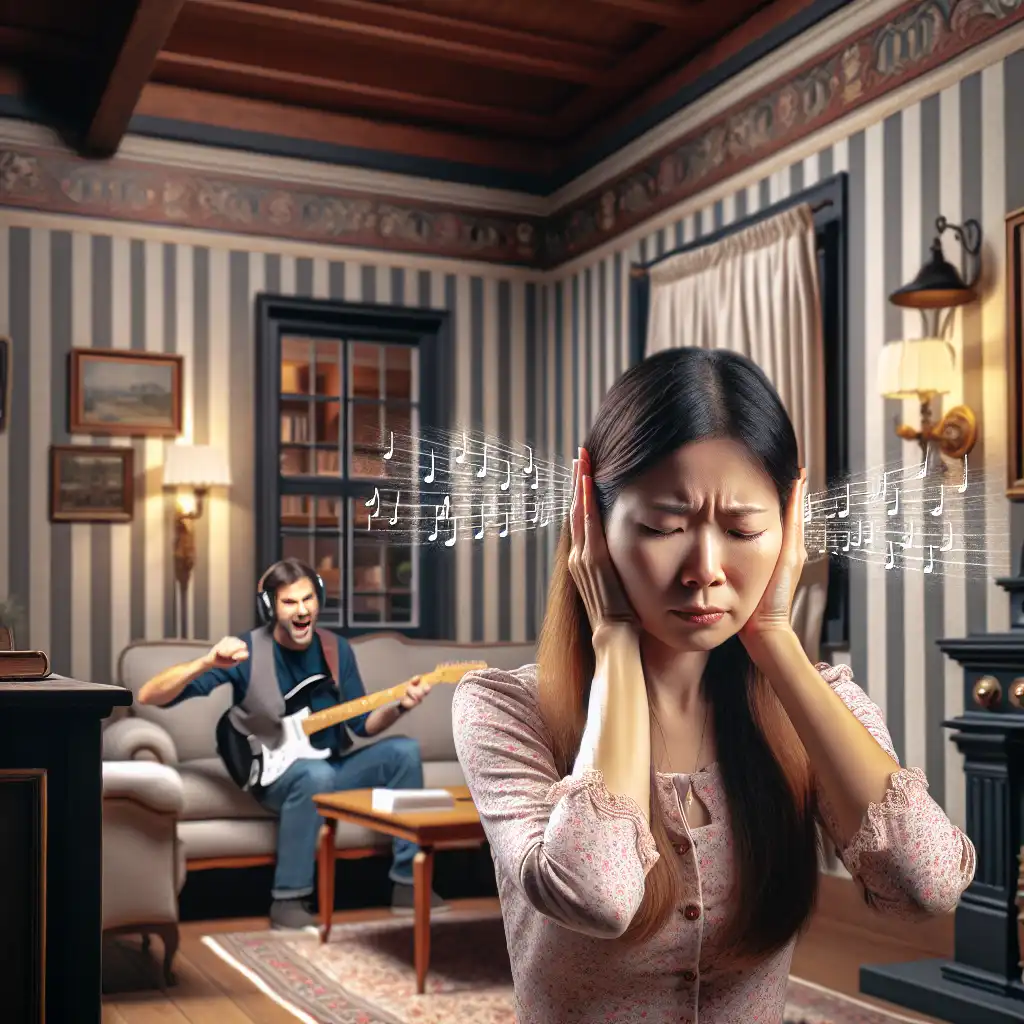
A person or thing that causes annoyance or displeasure.
The noisy neighbor is the main offender in disturbing our quiet evenings.

əˈfendər
A person who habitually breaks the law.
The report depicts him as a career offender, constantly involved in criminal activity.

əˈfendər
A person who is guilty of a serious misconduct or violation.
The offender was sentenced to ten years in prison for his crimes.
音声を読み込めませんでした。しばらくしてからもう一度お試しください。
The word 'offender' is used to describe someone who has broken a rule, law or committed a crime. It is typically used in legal, criminal or official contexts. An offender can be someone who has committed a small or big offense. For example, someone who has broken a traffic rule is also an offender. However, the term is not used to describe someone in a casual conversation or day-to-day interactions unless they have done something wrong that is being discussed.
Criminal refers to someone who has committed a crime, which is a violation of the law. It is applicable when referring to someone who has been convicted of a crime.
Criminal refers to someone who has been convicted of a crime, while offender refers to someone who has broken a rule or law but may not have been convicted yet.
単語を開く: Criminal →Both culprit and offender refer to someone who has committed a crime or done something wrong.
However, culprit specifically implies that the person is responsible for a particular harm or wrong, while offender is a more general term that could include any type of wrongdoing or crime.
For example, if a car is stolen, the person who stole it would be the culprit, because they are directly responsible for the theft.
Culprit implies specific responsibility for a wrong, while offender is a more general term for someone who has committed a crime or done something wrong.
単語を開く: Culprit →Delinquent is used to refer to a young person who has committed a crime or behaved in a socially unacceptable way, while offender can be used for any person who has committed a crime or broken a law, regardless of their age.
Delinquent is more commonly used in legal matters involving minors, while offender is used more broadly.
A delinquent is a young person who has done something wrong, while an offender is anyone who has broken the law.
単語を開く: Delinquent →Felon refers to a person who has committed a serious crime that is punishable by imprisonment for more than a year, such as murder or robbery.
Offender refers to a person who has committed any kind of crime, no matter how serious or minor. This term is more commonly used in everyday language and can apply to any type of criminal activity, from traffic violations to serious felonies.
Felon is a legal term specifically used to describe someone who has committed a serious crime, while offender refers to any person who has committed a crime, regardless of the severity.
単語を開く: Felon →Both lawbreaker and offender refer to someone who has broken the law.
However, lawbreaker typically refers to someone who has committed a serious crime, while offender can refer to someone who has committed a minor or major infraction.
For example, a murderer would be considered a lawbreaker, while someone who received a parking ticket would be considered an offender.
単語を開く: Lawbreaker →Malefactor usually refers to someone who commits a serious offense or crime like a felon such as murder, burglary, and such.
単語を開く: Malefactor →Miscreant refers to someone who has committed an immoral or illegal act, whereas offender refers to someone who has broken a law or rule.
Miscreant has a more negative connotation and is often used to describe someone who behaves badly intentionally, while offender is a more neutral term that simply describes someone who has broken a law or regulation.
Both words can be used in legal contexts, but miscreant is more commonly used in literary or poetic writing, while offender is more frequently used in everyday conversation.
単語を開く: Miscreant →Offender refers to someone who has committed an offense or broken a rule or law, while perpetrator refers to someone who has committed a specific crime or act of violence.
Offender is more general and can refer to any type of wrongdoing, while perpetrator is more specific and is usually used in the context of criminal acts.
For example, if someone violates a traffic law, they would be considered an offender, but if someone commits a murder, they would be referred to as the perpetrator.
単語を開く: Perpetrator →Both offender and transgressor refer to someone who has broken a law or rule.
Transgressor, on the other hand, refers to someone who has violated a less serious rule or law, such as breaking a school rule or disobeying a sign.
Essentially, a transgressor is someone who has done something wrong, but not something as severe as what an offender has done.
単語を開く: Transgressor →Both offender and wrongdoer refer to someone who has committed a wrongdoing or a crime.
However, offender is a more formal or legal term whereas wrongdoer is a more general term used in everyday language.
Wrongdoer can be used in a broader sense to refer to anyone who has done something wrong or unethical.
Overall, both words refer to someone who has done something wrong, but offender is more specific to legal contexts while wrongdoer is a broader term used in everyday language.
単語を開く: Wrongdoer →What's the worst bug on the planet? You might vote for the horsefly or perhaps the wasp, but for many people, the worst offender is by far the mosquito. The buzzing the biting, the itching, the mosquito is one of the most commonly detested pests in the world.
YouTube で見る ↗What has too often happened in the past is that people have threatened punishment but have failed to carry it out. It's imperative in any initiative that is undertaken that punishment be real and that there be truth in sentencing, and that the truly dangerous offenders - the recidivists and the career criminals - be put away and kept away.
That I think that probably helps me to compartmentalize. It could be quite upsetting when you think about the actual back story of some of these creatures. But ultimately we have a job to do and we have an offender that needs to be brought to justice.
YouTube で見る ↗I'm a believer in forgiveness. I have worked with people who have been in gangs and now dedicate their lives to helping inner city kids. I've run offender services with teachings of responsibility, empathy and understanding of the victims at their heart. I've seen people change.
hang over him for the rest of his life sex offenders are singled out because they picked on the most innocent people there is their crime as the most heinous my crime scene is even though I wasn't a two-year-old but people look at that they look at the age of the victim they
YouTube で見る ↗In addition, to punishing sexual offenders and protecting our children, we must also provide services, resources and counseling to the people who are victims of these horrible crimes.
wife-beating gay-bashing ancestors? I'm sure everyone here could think of an example. I opt for the mistreatment of animals in factory farms. The imprisonment of nonviolent drug offenders and the toleration of rape in our nation's prisons. Scrimping on donations to life-saving charities
YouTube で見る ↗It doesn't help to wait until something happens and then prosecute the offenders, especially if it's the idea of the offender to extinguish himself in the commission of the crime.
prosecution where they can be made sex offenders for the rest of their lives because they've done something inappropriate and the support that the community has offered us has really allowed us to move that work forward right is this a battle that has to be
YouTube で見る ↗I have said repeatedly that in this country we track library books better than we do sex offenders.
Many fraudsters are first time offenders, so in order to commit an act most would regard as wrong, they need to justify it to themselves. Some feel entitled to the money because they are underpaid and overworked and others believe their fraud is victimless,
YouTube で見る ↗Children whose parents return to study do much better at school. Offenders who persist with studies are much less likely to reoffend. The national mental health strategy recognises the important role adult learning can play for people recovering from mental illness.
despite their usual gentle nature and calm appearance anyone who works with elephants will tell you that they could kill you in an instant this is one hugely strong and unpredictable offender that demands massive respect
YouTube で見る ↗Many offenders have had immensely difficult upbringings and do not have the support of loving families and friends.
Here are three of the possible offenders. Exhibit Pests and Disease. Most infamous is the varroa mite, a minuscule red pest that not only invades colonies and feeds on bees, but also transfers pathogens that stunt bee growth and shortens their life span.
YouTube で見る ↗Despite the fact that in America we incarcerate more juveniles for life terms than in any other country in the world, the truth is that the vast majority of youth offenders will one day be released. The question is simple and stark. Do we want to help them change or do we want to help them become even more violent and dangerous?
What would you say about those kinds of companies? So this is going to be such an important conversation going forward, because we're in the ironic position where the people who can do the most to solve this problem are the people who are currently the worst offenders. So what do we do? Do we make them part of the conversation or not?
YouTube で見る ↗Time heals griefs and quarrels, for we change and are no longer the same persons. Neither the offender nor the offended are any more themselves.
You all got crisper drawers? The drawer that you put your lettuces in? Lettuces have a habit of going soggy in the crisper drawers don't they? Yeah? Soggy lettuces? In the U.K. this is such a problem that there was a government report a few years ago that actually said the second biggest offender
YouTube で見る ↗The offender never pardons.