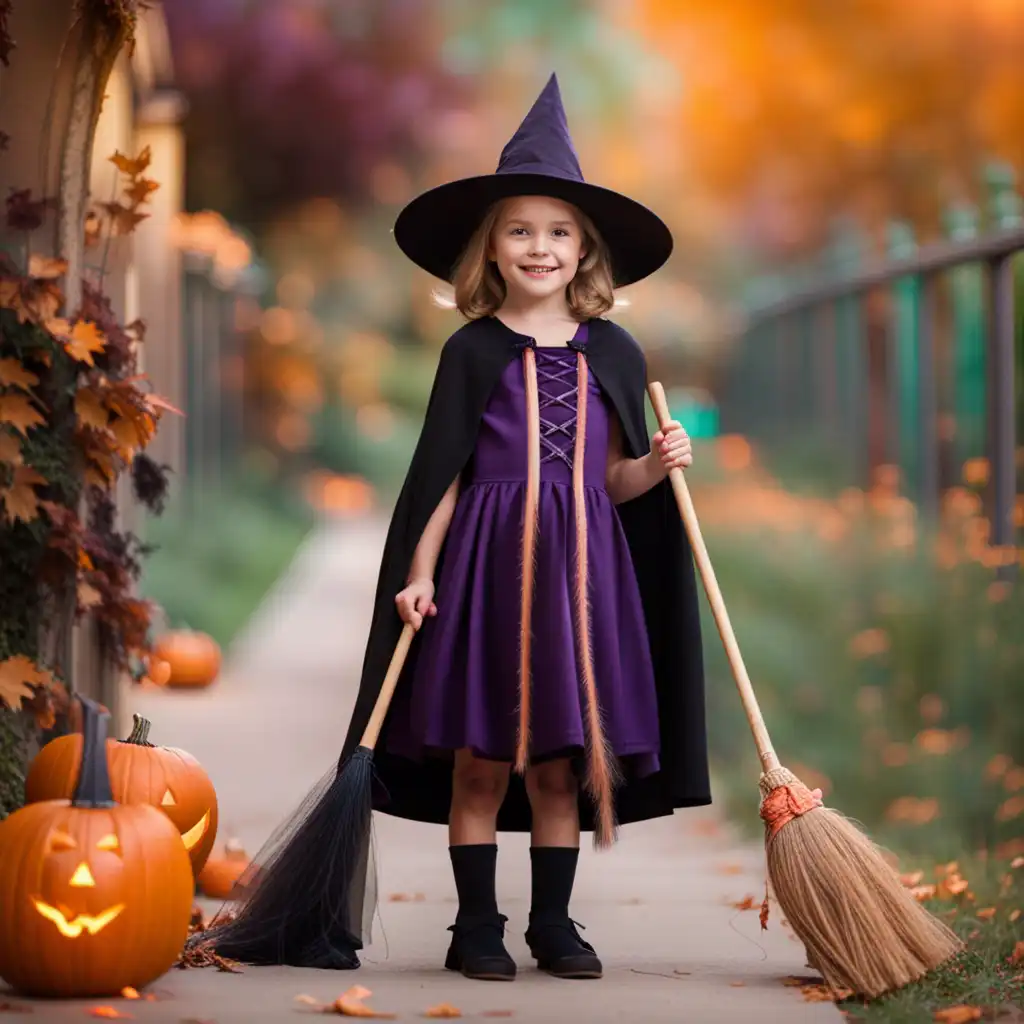
costume
noun costume
ˈkɑːstuːm
A set of clothes worn to create the appearance of a character or period
She wore a witch costume for Halloween.
costume
ˈkɑːstuːm
Cargando…
ˈkɑːstuːm
A set of clothes worn to create the appearance of a character or period
She wore a witch costume for Halloween.
ˈkɑːstuːm
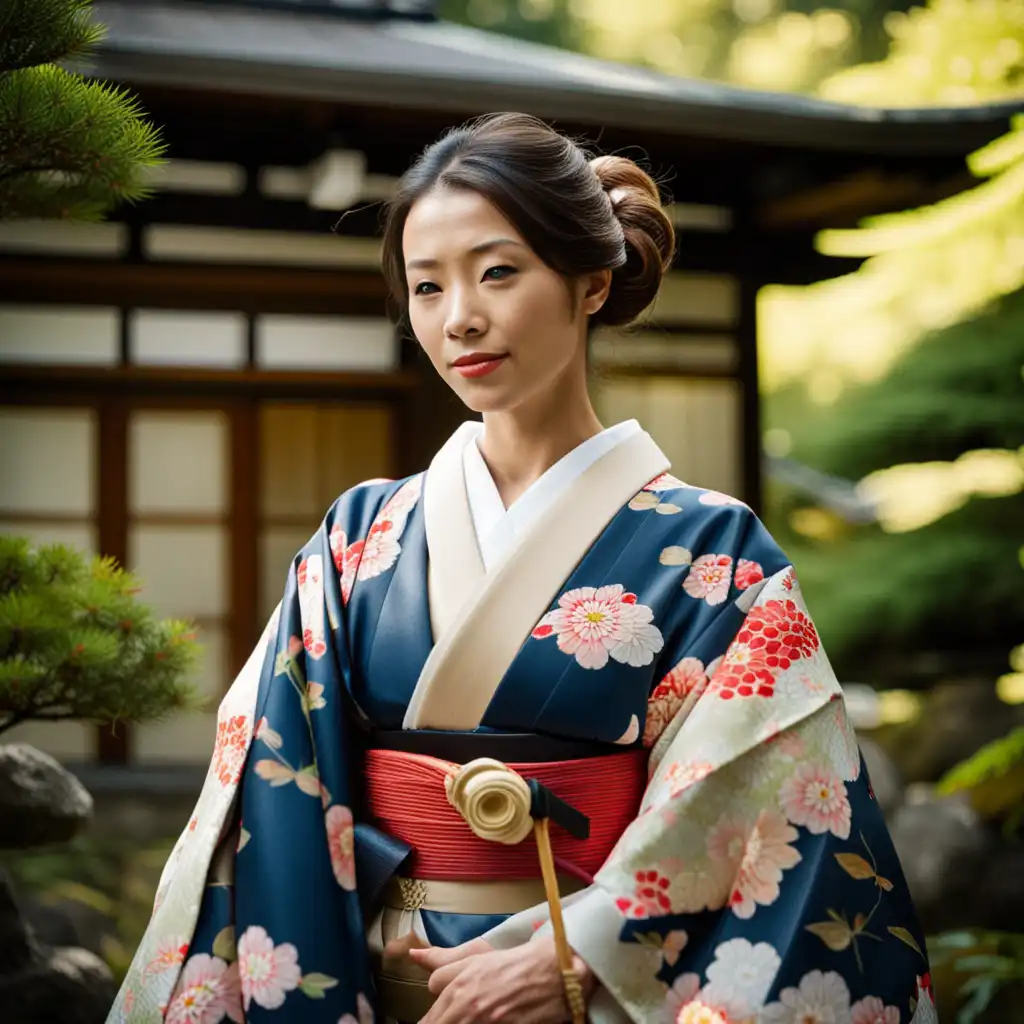
The fashion or style of clothes typical of a certain country, historical period or profession
The traditional costume of Japan is the kimono.
ˈkɑːstuːm
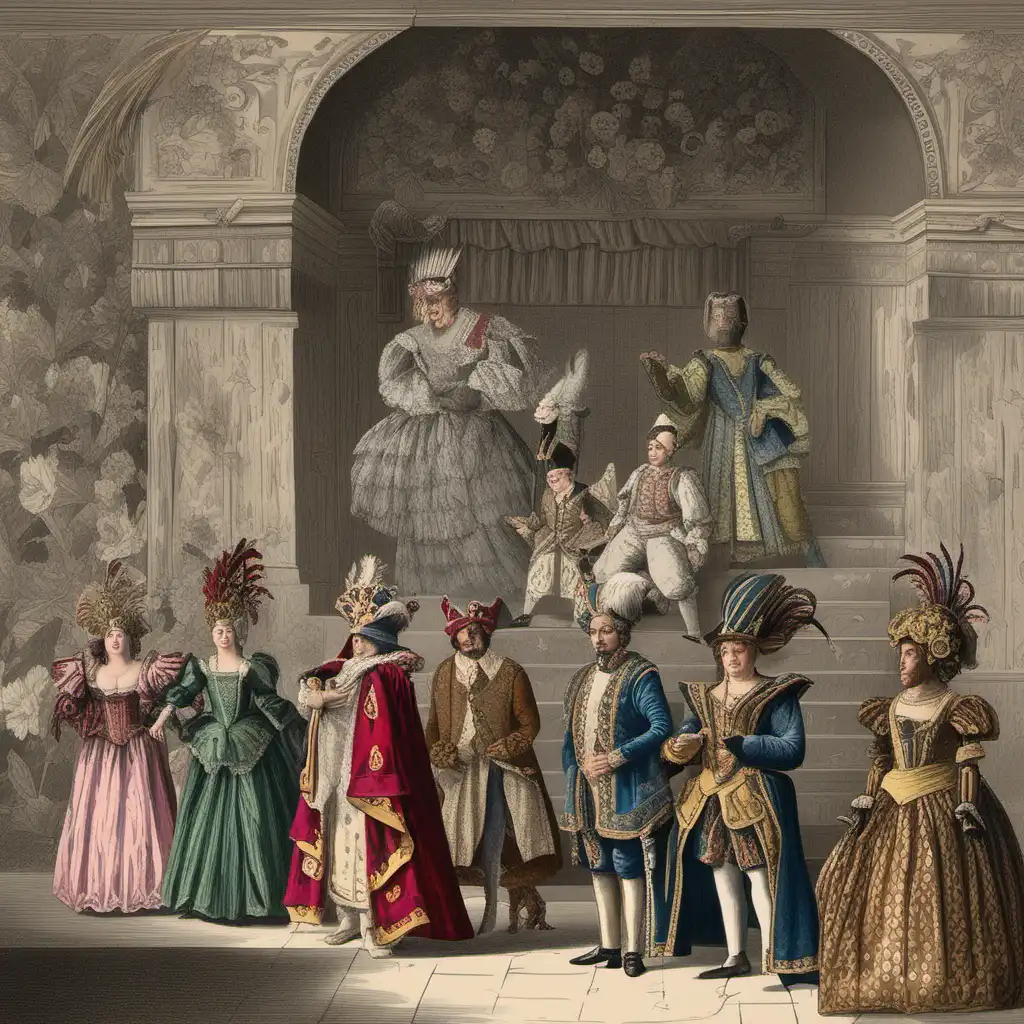
A wardrobe provided for actors to wear during a performance
The costumes for the play were elaborate and detailed.
No se pudo cargar el audio. Inténtalo de nuevo más tarde.
The word 'costume' usually means a set of clothes or an outfit that someone wears for a special occasion such as Halloween or a play. It is not used to refer to regular everyday clothes like jeans or shirts, but rather an outfit that is used to identify a specific character or theme, such as a superhero costume or a pirate costume. Costume is often used in the entertainment industry or for fun events where people dress up in unusual or interesting outfits.
Apparel refers to clothing in general, while costume refers to a specific type of clothing worn for a particular occasion or purpose, such as for Halloween, theater productions or cultural events.
For example, if you were going to a job interview, you would choose appropriate business apparel (professional clothing like a suit, dress shirt or skirt and blouse).
Abrir palabra: Apparel →Attire refers to what one wears on a daily basis or for a particular event, occasion, or situation. It could be anything from casual wear, formal wear, sports attire or work attire.
Attire is applicable to daily life and any occasion, from workwear to party wear. Costume, however, is applicable in specific situations where a character or theme is involved, such as Halloween parties or plays.
Abrir palabra: Attire →Dress is a more general term that can refer to any type of clothing that is worn on a particular occasion, such as a formal event or a casual outing.
A costume is a specific type of dress that is meant to convey a character or theme, while a dress is a more general type of clothing that can be worn for a variety of occasions.
Abrir palabra: Dress →Garb refers to any type of clothing or dress, especially the distinctive clothing worn by a particular group of people.
Costume is more commonly used in the context of portraying a character or for special occasions, while garb is a general term for any type of clothing or dress.
Abrir palabra: Garb →Costume and outfit are both words that can describe the clothes or clothing accessories that someone wears. The difference is mainly in how formal or purposeful the clothing is.
An outfit is a more general term for clothing that someone wears on a day-to-day basis or for a specific occasion, such as a party or a wedding.
A costume is more specific and tied to a certain purpose or theme, while an outfit is a more general term for everyday or event-specific clothing.
Abrir palabra: Outfit →Wardrobe refers to the entire collection of clothing that a person owns. While costume is limited to a specific purpose or situation, wardrobe is an all-encompassing term that includes a variety of outfits for different occasions.
Costume is applicable for a specific event, while the wardrobe is applicable in everyday life for clothing.
Abrir palabra: Wardrobe →it's time to shape it. A cartoon is like a staged play. A cartoonist is playwright, director, stage designer, choreographer, and costume designer. A cartoon has characters, a set, dialogue, even if one line,
Ver en YouTube ↗If death meant just leaving the stage long enough to change costume and come back as a new character, would you slow down? Or speed up?
from all their peers' designs. They can take any element from any garment from the history of fashion and incorporate it into their own design. They're also notorious for riffing off of the zeitgeist. And here I suspect, they were influenced by the costumes in Avatar.
Ver en YouTube ↗And costume is so important for an actor. It absolutely helps to get into character; it's the closest thing to you, it touches you. Some actors like to go into make-up and then put their clothes on, but I like to dress first; that's my routine.
it usually adorns its costume with sponges and seaweed as these are most often sir hand but given the chance it improvises a trait that helps the dresser crab maintain perfect camouflage
Ver en YouTube ↗Costume really helps you feel in character.
authentic City is very important in a story like this because we are not telling something fictional it's so it's a true story it's about somebody who really made a difference and someone who's known all the world costume Isis was really exciting because the story starts in
Ver en YouTube ↗Titanic' made me want to tell stories... To have all these characters and costumes and have ambition and think big and have dreams... It came at a very troubled period of my life.
arm them with incredible material, keep production value as minimal as possible -- no sets no costumes no lights just reading it -- to throw all the emphasis on the language and to show that theater can be created at any setting. It's a powerful thing, getting in a room with complete strangers and reminding ourselves of our humanity,
Ver en YouTube ↗I like a character, not a costume - the idea of putting on clothes and you become someone else.
as their favorite characters from film and television and especially anime, but it is so much more than that. These aren't just people who find a costume and put it on -- they mash them up. They bend them to their will. They change them to be the characters they want to be in those productions.
Ver en YouTube ↗I think supporting casts in comics are missing. I think a lot of the time in comics, all we have are people in costumes talking to other people in costumes, superheroes talking to superheroes and supervillains, and that's it.
An elderly woman named Rosalie was sitting in her nursing home when her room suddenly burst to life with twirling fabrics. Through the elaborate drapings, she could make out animals, children, and costumed characters.
Ver en YouTube ↗I have worked with some of the most amazing costume designers in the world.
Social psychologists like me come along and say, "Yeah people are the actors on the stage, but you'll have to be aware of the situation. Who are the cast of characters? What's the costume? Is there a stage director?" And so we're interested in what are the external factors around the individual -- the bad barrel?
Ver en YouTube ↗I think of clothes a lot like costumes. I think of what I wear in real life as being my real life character's costume.
continues to delight audiences with the actors' elaborate makeup, extravagant and delicately embroidered costumes, and the unmistakable melodrama of the stories told on stage.
Ver en YouTube ↗I've never worn costume jewelry in my life. It's really very self-defeating. Why should a man buy a woman real jewelry when she wears false pieces?
why is every character she dresses up as a boy? And where are all the female superheroes? And that is not actually the question, because there's plenty of female superheroes. My question really is where is all the female superhero stuff? Where are the costumes? Where are the toys?
Ver en YouTube ↗I wrote a play that I directed and I was in, and I paid for the sets and the costumes and to put it up in a theater all through modeling. It really afforded me a lot of creative control in my life.