cavity
noun cavity
ˈkævəti
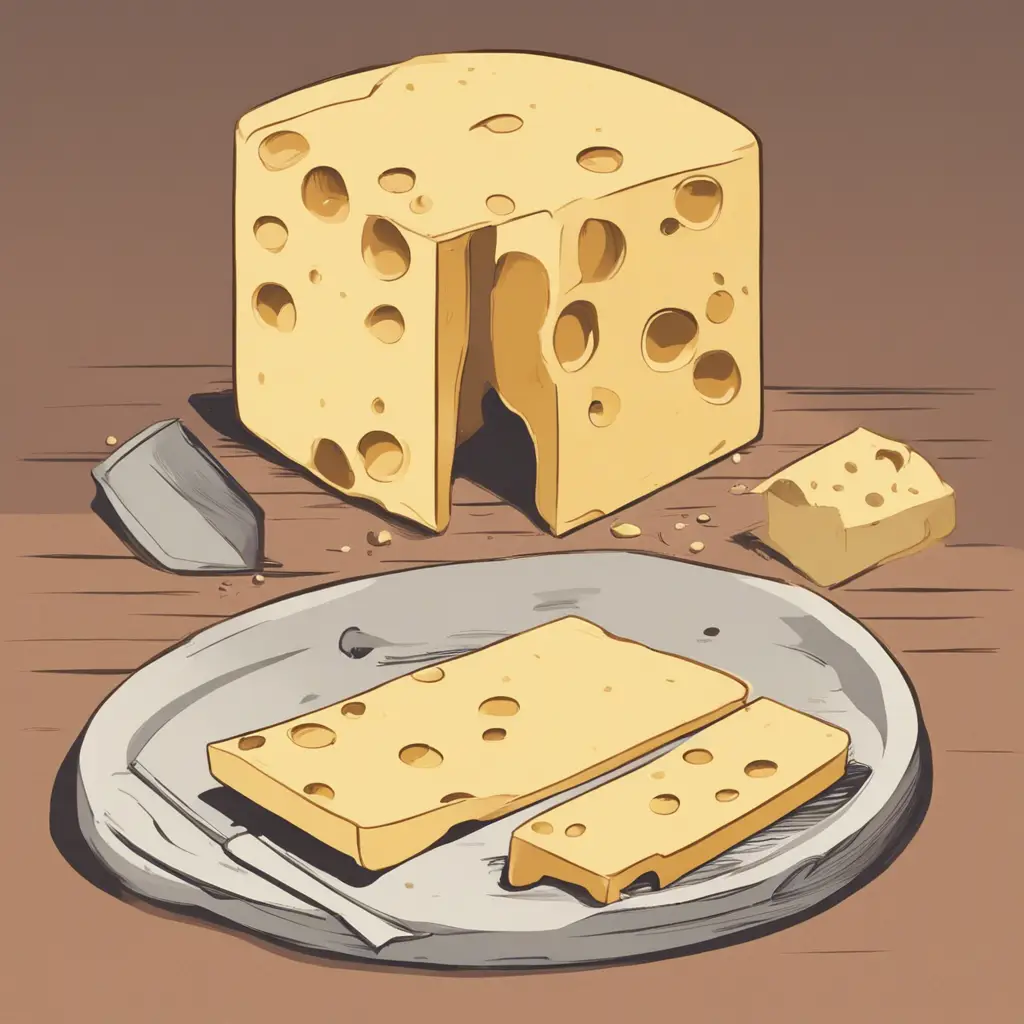
An empty space within a solid object, often a hole or an opening
The dentist found three cavities in my teeth that need to be filled.
cavity
ˈkævəti
読み込み中…
ˈkævəti
An empty space within a solid object, often a hole or an opening
The dentist found three cavities in my teeth that need to be filled.
ˈkævəti
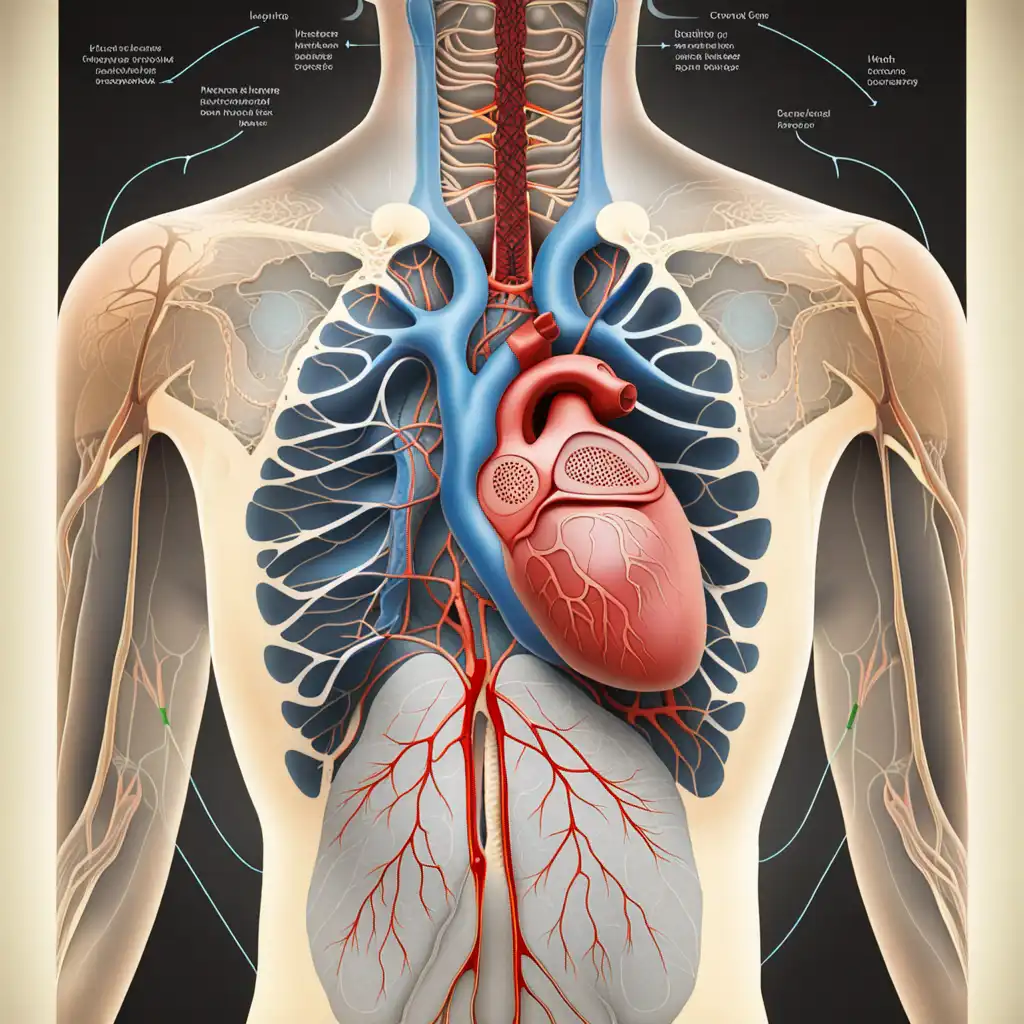
In medicine, a hollow area in the body
The chest cavity contains the heart and lungs.
ˈkævəti
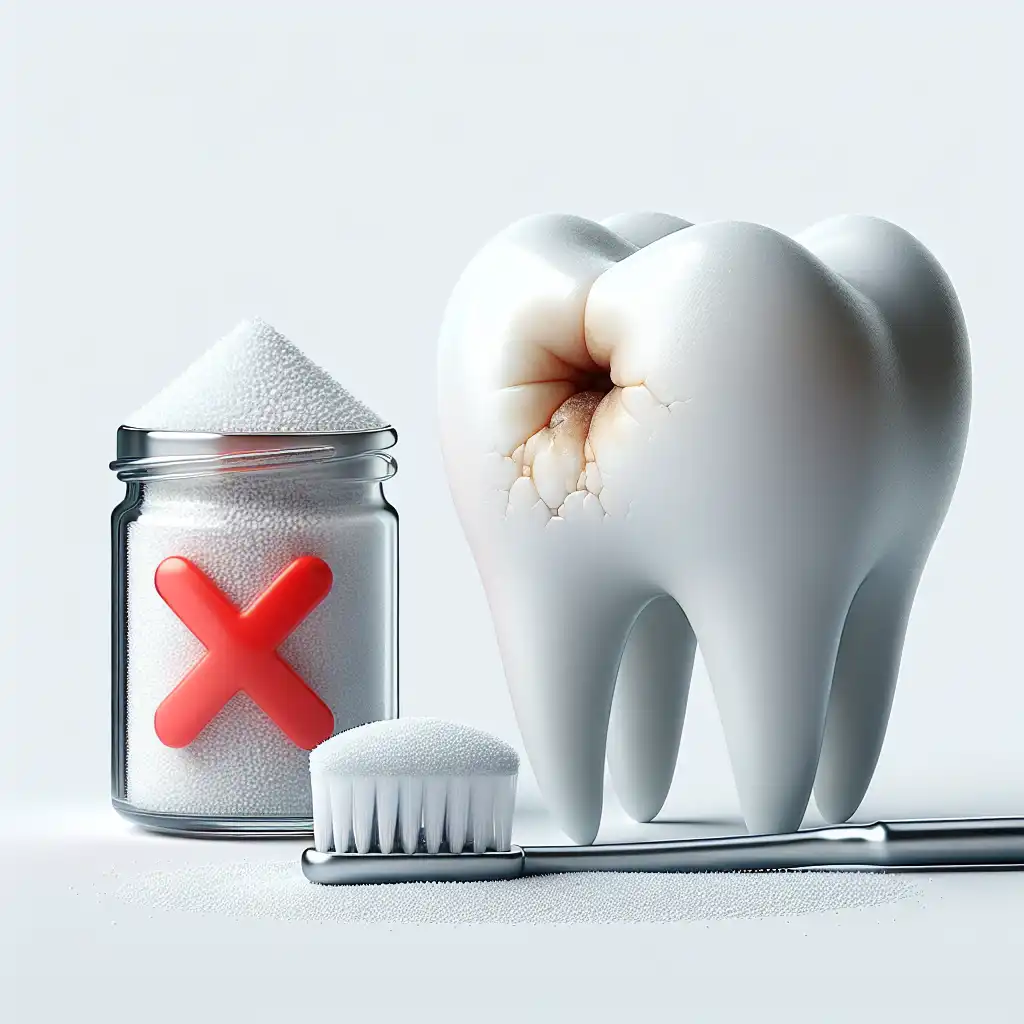
A decayed part of a tooth caused by plaque and bacteria
Sugar is a major cause of tooth cavities.

ˈkævəti
A hollow place made by a burrowing animal, like a rabbit
The rabbit dug a cavity in the ground for its home.
音声を読み込めませんでした。しばらくしてからもう一度お試しください。
A cavity is a hole or opening in a tooth. It is caused by tooth decay, which happens when acid breaks down the tooth's outer layer called enamel. Cavity is a commonly used word when talking about dental health and hygiene. Dentists will often ask if you have any cavities during a check-up and may recommend getting a filling to fix any cavities that they find. It is important to brush your teeth twice a day and floss regularly to prevent cavities.
Both cavity and concavity refer to a depressed or sunken area, but cavity describes a hole or empty space, while concavity describes a curved or bowed inward shape.
For example, a cavity can refer to a tooth decay where a portion of the tooth is missing due to erosion, while a concavity can describe the shape of a spoon or a cave entrance.
単語を開く: Concavity →A cavity is a permanent hole or damage that forms in a tooth due to tooth decay. This typically happens because of poor dental hygiene, a lack of fluoride, or consuming too much sugar.
A dentist would refer to a cavity as a type of tooth decay that has progressed to the point of creating a physical hole or pit in the tooth.
A dent refers to a slight depression or visible damage in a surface. This could be a dent in a car or a dent in a piece of furniture.
In the context of teeth, a dent could describe a minor imperfection in the enamel or surface of a tooth, but it would not be as severe or extensive as a cavity.
A cavity is a specific type of damage that occurs in teeth due to decay, while a dent is a more general term that can describe any small depression or visible damage in a surface.
単語を開く: Dent →Cavity and depression are both words that describe a hollow or sunken area, but they are used in slightly different contexts.
Depression is a more general term for a sunken or low area, and can describe anything from a geographic depression (such as a valley or basin) to a person's emotional state (such as feeling depressed).
Cavity is more specific, and typically refers to a hollow area in a tooth or in the body. Depression is a more general term, and usually describes a sunken or low area or feeling.
単語を開く: Depression →Excavate means to dig or remove material from an area or object, such as excavating a hole in the ground to build a foundation.
In simpler terms, a cavity is a natural or decayed hole, while to excavate means to purposefully dig a hole. Cavity would be used to describe a hole in an object, while excavate would be used to describe the process of digging a hole.
単語を開く: Excavate →A hole is a term used for an opening or an empty space in an object.
A hole can be created intentionally, like a hole punched in paper, or it can be a result of damage, such as a hole in a wall.
Cavity refers to a more specific type of hollow space, while hole is a more general term that can refer to any type of opening or empty space.
単語を開く: Hole →A cavity is a hole or space within a solid object, while a hollow is an empty space within an object. The term cavity is generally used in medical and dental fields to refer to a hole or decay in a tooth, while hollow can refer to any empty space within an object, such as a hollow tree or a hollow toy.
Cavity refers to a specific type of hole within an object, while hollow refers to any empty space within an object.
単語を開く: Hollow →Cavity and indentation are two words used to describe specific types of shapes or openings on surfaces.
An indentation is a small notch or impression on the surface of an object.
It is often used to refer to a small dip or groove, like a fingerprint indentation or a dent in a car. Indentations are typically shallower than cavities and are often the result of something pressing into the surface of the object.
A cavity is a hole or a hollow area while an indentation is a small notch or groove. Cavity is commonly used in medical or dental contexts while indentation is used when describing small dips or grooves on surfaces.
単語を開く: Indentation →Cavity and pit are both terms used to describe a depression or hole in a surface, but there is a subtle difference between the two.
A pit is a small, shallow depression in a surface, often the result of wear, erosion, or corrosion. For example, a pit may form on metal surfaces due to exposure to corrosive substances like salt or acids.
Pits are also common in fruit, where they are small indentations where the stem was attached.
Overall, while both terms refer to holes or depressions, a cavity is generally deeper and more significant, while a pit is shallower and more superficial.
単語を開く: Pit →A cavity is a hollow space or a hole in something, usually in a tooth. While a recess is a small space that is set back or indented from the surface, typically in a wall or floor.
Cavity is a medical term used in dentistry, where it refers to the decay of teeth leading to cavities. Recess is a term typically used in architecture or construction, and refers to a small indentation in a wall or floor.
A cavity is a hole, while a recess is a small indentation or alcove.
Cavities can occur in teeth or other objects, while recesses are typically found in architecture and design.
単語を開く: Recess →Gradually acid wears down a pathway for bacteria into the tooth's secondary layer called the dentin. Since blood vessels and nerves in our teeth are enclosed deep within, at this stage the expanding cavity doesn't hurt. But if the damage extends beyond the dentin,
YouTube で見る ↗I've never in my life had a cavity. Not one!
And in these cavities these micro-cavities form, and as they fuse soils they absorb water. These are little wells. And inside these wells then microbial communities begin to form. And so the spongy soil not only resists erosion, but sets up a microbial universe
YouTube で見る ↗This may sound strange, but although I feel like I know everything about my characters, the brand of shampoo they use, how many cavities they have, their greatest fear, I don't actually see their faces.
Systems come in The respiratory system is a group of passageways and organs that extracts life-giving oxygen from the air we breathe Air enters the body through nasal cavities travels down the throat and is then transported to the lung
YouTube で見る ↗The eyeball is contained in the cavity of the orbit. In this situation, it is securely protected from injury, whilst its position is such as to ensure the most extensive range of sight.
others formed hollow balls which collapsed upon themselves creating a body with an internal cavity they were the first multi-celled organisms sponges are their direct descendants as more variations appeared the tree of life
YouTube で見る ↗That's what people are who have that impact on us. They are ahead of their time. They can't help it. They get put into a small, frail body, and they are given a light that is much too bright for that cavity.
As the cells proliferate, they spread via one of the three common routes of transcoelomic lymphatic or hematogenous spread. In transcoelomic spread malignant cells penetrate the covering surfaces of cavities in our body. These surfaces are known as peritoneum
YouTube で見る ↗Rock is so much fun. That's what it's all about - filling up the chest cavities and empty kneecaps and elbows.
Follicles the tiny cavities that grow hairs all over our body, make for especially popular living quarters. Malassezia are fond of these hideouts because they contain glands that secrete an oil called sebum that’s thought to lubricate and strengthen our hair.
YouTube で見る ↗No matter where you are, the root of you is designed from a young age. So if my confidence was taken as a child, you can gain back a lot of the confidence, but that root of the cavity will still be there.
it's a way of projecting yourself in the world. The mechanism for this projection is well understood. Your lungs contract your diaphragm and that creates a self-sustained vibration of your vocal fold, that creates a sound. And then the way you open and close the cavities in you mouth,
YouTube で見る ↗I've eaten part of my tooth. I had a weird cavity that broke apart in my teeth - this is a bad story. I was eating and thought, 'It's like I'm swallowing rocks,' and then I checked and part of my tooth is missing. I ate it.
for that is to help expand this nasal cavity so and to reduce the weight so this really enables that the cheetah to have a very lightweight head which you can see that marvelous moment in the footage which is keeping it very fixed on the preys you couldn't do that with an overweight and so having expanded
YouTube で見る ↗Any pose that is an arch will open the chest cavity and is excellent for energizing the body.
the seventh mission another run-of-the-mill raid we felt invincible I know I did not long into the mission we started to realize that this was not as we expected the firefight surrounding the convoy was unprecedented the longer we were there the worse the commuting hey we got somebody hit who's the cavity
YouTube で見る ↗We've pumped waste into cavities in solid rock and found that it spread through the rock.
embedded in a thin plastic flexible and transparent device that sits on your neck just like a sticker. These sensors pick up on these internal signals sourced deep within the mouth cavity, right from the surface of the skin.
YouTube で見る ↗I was a terrible Sugar Babies addict, so I had more cavities than the surface of the moon.