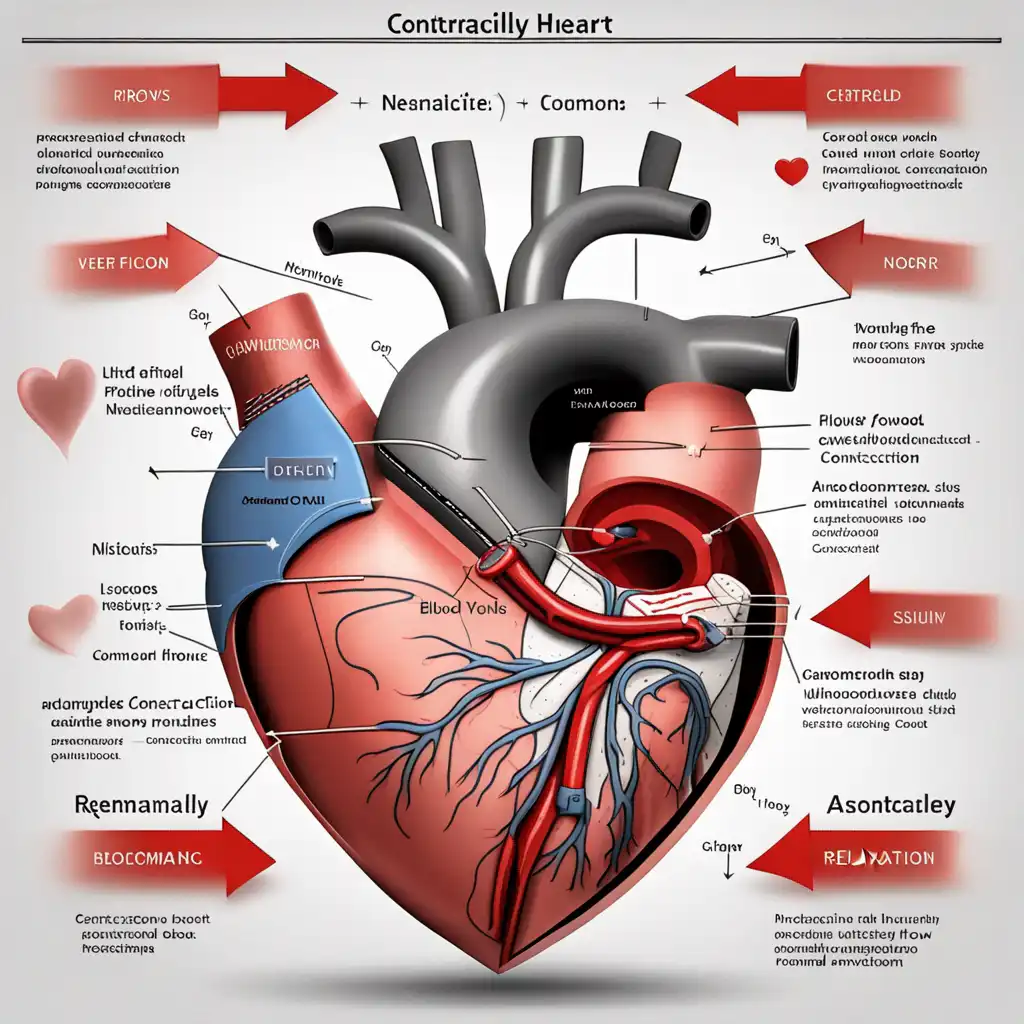
physiological
adjective physiological
ˌfɪziəˈlɑːdʒɪkl
Referring to how living bodies or their parts function.
The physiological processes of the heart are complex and important in maintaining life.
physiological
ˌfɪziəˈlɑːdʒɪkl
Chargement…
ˌfɪziəˈlɑːdʒɪkl
Referring to how living bodies or their parts function.
The physiological processes of the heart are complex and important in maintaining life.
ˌfɪziəˈlɑːdʒɪkl
Related to the normal health functions of an individual.
Regular exercise has many physiological benefits, such as reducing the risk of heart disease.
Impossible de charger l’audio. Réessayez plus tard.
The word 'physiological' refers to things that have to do with your body and how it works. For example, when you exercise, your body goes through physiological changes like increasing your heart rate and breathing rate. Another example is when you get hungry, it's a physiological response from your body. We use the word 'physiological' to describe anything related to the way your body functions.
Anatomical refers to the structure and organization of the body parts, such as the bones, muscles, and organs. It is applicable when describing the physical features or characteristics of living organisms.
In simpler terms, anatomical refers to the physical structure or shape of the body parts, whereas physiological refers to how those body parts are used or function.
Ouvrir le mot: Anatomical →Biological refers to the study of life and living organisms, including their processes and structures. It relates to the science of biology.
While biological focuses more on the molecular and genetic aspects of life, physiological emphasizes the functions and processes occurring within living organisms or their parts.
Biological can be used to refer to anything related to living organisms, whereas physiological can describe the processes or functions occurring in a specific living organism or their parts.
For example, a biologist will study the biological aspects of an organism such as DNA, genes and cells while a physiologist will study the physiological processes like respiration or digestion.
Ouvrir le mot: Biological →Organic refers to things that are natural and free from chemicals or synthetic substances.
Both words are applicable in different contexts. Organic is typically used when talking about the natural world, while physiological is used in the context of biology and human anatomy.
Ouvrir le mot: Organic →Physical refers to things that can be seen or touched, such as the body or objects in the environment. Physiological refers to processes that occur in the body, such as the functioning of the organs or the release of hormones.
For example, a physical examination by a doctor might involve checking a patient's heart rate or examining their skin for rashes.
In essence, physical refers to the tangible, while physiological refers to the internal workings of the body.
Ouvrir le mot: Physical →Structural refers to things that have to do with the physical makeup or shape of something, like the bones that make up your skeleton or the walls that make up a house.
If a builder is designing a house, they may talk about the structural components that need to be sturdy and well-placed in order for the house to be stable and safe.
Ouvrir le mot: Structural →Similar to a domino effect one person's yawn triggers a yawn in a person nearby that has observed the act. Once this reflex is triggered it must run its course. Have you ever tried to stop a yawn once it has begun? Basically impossible! Another physiological hypothesis
Voir sur YouTube ↗I don't know if it is a spiritual, physiological or psychological phenomenon, but I believe now more than ever that singing is a universal, built-in mechanism designed to cultivate empathy and compassion.
that our relationship with sound has become largely unconscious. There are four major ways sound is affecting you all the time, and I'd like to raise them in your consciousness today. The first is physiological. Sorry about that.
Voir sur YouTube ↗As human beings, we all have reasons for our behavior. There may be people who have certain physiological issues that dictate why they make certain choices. On the whole, though, I think we're dictated by our structure, our past, our environment, our culture. So once you understand the patterns that shape a person, how can you not find sympathy?
conceal the truth from a mysterious interrogator but can you beat a lie detector in real life lying is a stressful business the natural physiological reactions to telling a big fat whopper is that your pulse quickens you breathe faster and you start to
Voir sur YouTube ↗We know that communication must be hampered, and its form largely determined, by the unconscious but inevitable influence of a transmitting mechanism, whether that be of a merely mechanical or of a physiological character.
monogamous love no I would say no now if you mean the core of love which to me is about protection and is about the physiological machinery of love I don't see why we wouldn't call that love
Voir sur YouTube ↗The powers, aspirations, and mission of man are such as to raise the study of his origin and nature, inevitably and by the very necessity of the case, from the mere physiological to the psychological stage of scientific operations.
maintain the organs of the body and that opens the possibility to people being able to directly control their physiological functions for example regulating your own bill you're on blood pressure now this is research it's not
Voir sur YouTube ↗In my mind, depression is, like all non-communicable diseases, a physiologically expressed condition which is profoundly influenced by our social and cultural environments. Depression is a global crisis not only because it is common and universal, but because the vast majority of affected people suffer in silence or receive inappropriate care.
is more than noticing perfume or cologne. It's able to pick up on natural chemical signals known as pheromones. These not only convey important physical or genetic information about their source but are able to activate a physiological or behavioral response in the recipient.
Voir sur YouTube ↗Child psychology and animal psychology are of relatively slight importance, as compared with the sciences which deal with the corresponding physiological problems of ontogeny and phylogeny.
Anatomical structures, or physiological mechanisms with no apparent purpose present challenges to evolutionary biologists. Do such structures serve some hidden function that hasn't yet been discovered? Or are they relics of our evolutionary past, having once served some important purpose
Voir sur YouTube ↗Next it was found that it was physiologically and structurally the same in the plant, that it was the living part of the plant, that which manifested the life and did the work in vegetable as well as in animal organisms.
our bodies are on hyperalert. This response has evolved from the physiological mechanism designed to make sure we can survive in a crisis. Stress chemicals help mobilize energy and increase alertness. However with chronic stress our bodies become flooded with these chemicals,
Voir sur YouTube ↗For over two billion years, through the apparent fancy of her endless differentiations and metamorphosis the Cell, as regards its basic physiological mechanisms, has remained one and the same. It is life itself, and our true and distant ancestor.
and wearables that monitor physiological signs, the big question is not how to collect enough data, but what we're going to do with it. There are plenty of beneficial uses for computerized emotion recognition. Robots using algorithms to identify facial expressions can help children learn
Voir sur YouTube ↗Whether born from experience or inherent physiological or cultural differences, our gender and national origins may and will make a difference in our judging.
and a poorer quality of life. Basic levels of physiological function should be a part of our human rights. Every person should have the right to live life without disability if they so choose -- the right to live life without severe depression;
Voir sur YouTube ↗Biologically and physiologically, we are not equal. Some of us learn better at different times of day. Some learn best visually, some auditorially, some tactilely, by touching.