tuberous
adjective tuberous
ˈtuːbərəs
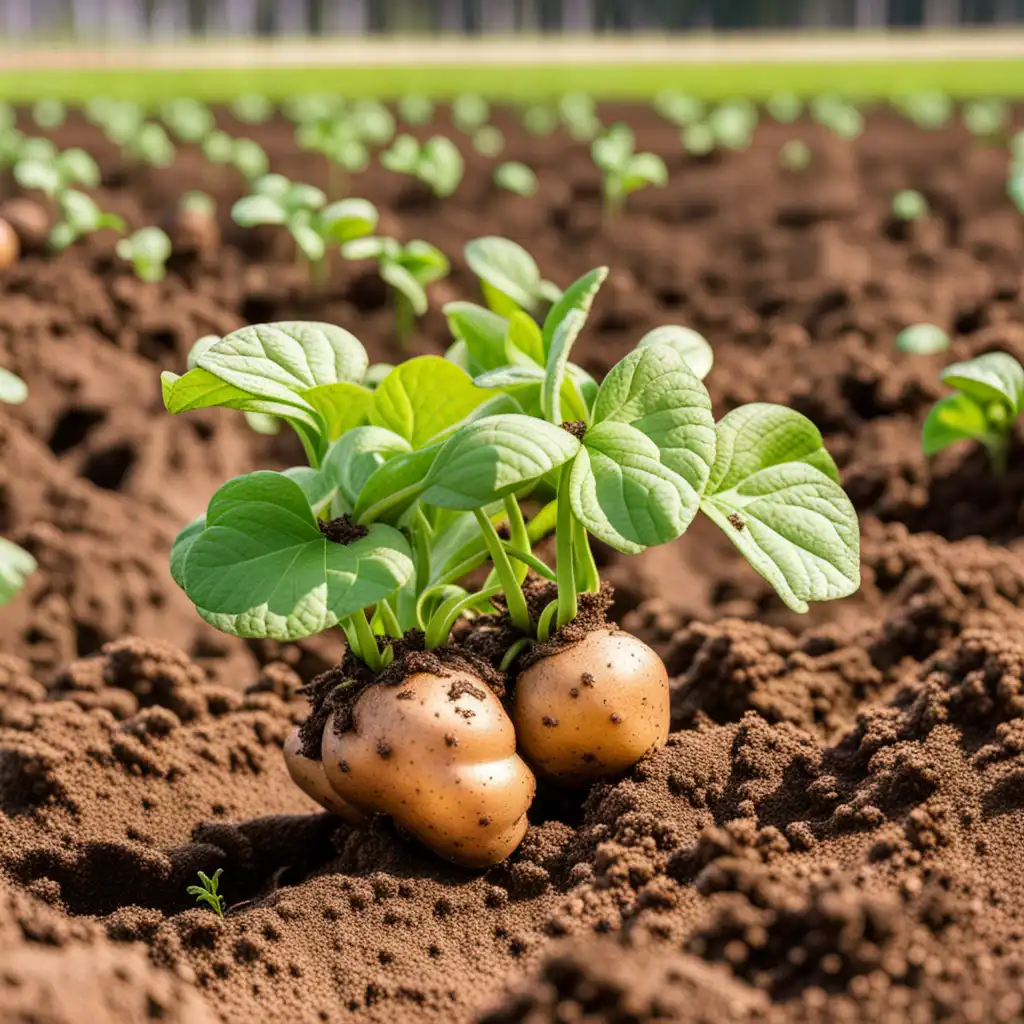
Something that is shaped like a tuber (like a potato) or has tubers.
The potatoes are a well-known tuberous plant.
tuberous
ˈtuːbərəs
Loading…
ˈtuːbərəs
Something that is shaped like a tuber (like a potato) or has tubers.
The potatoes are a well-known tuberous plant.
ˈtuːbərəs
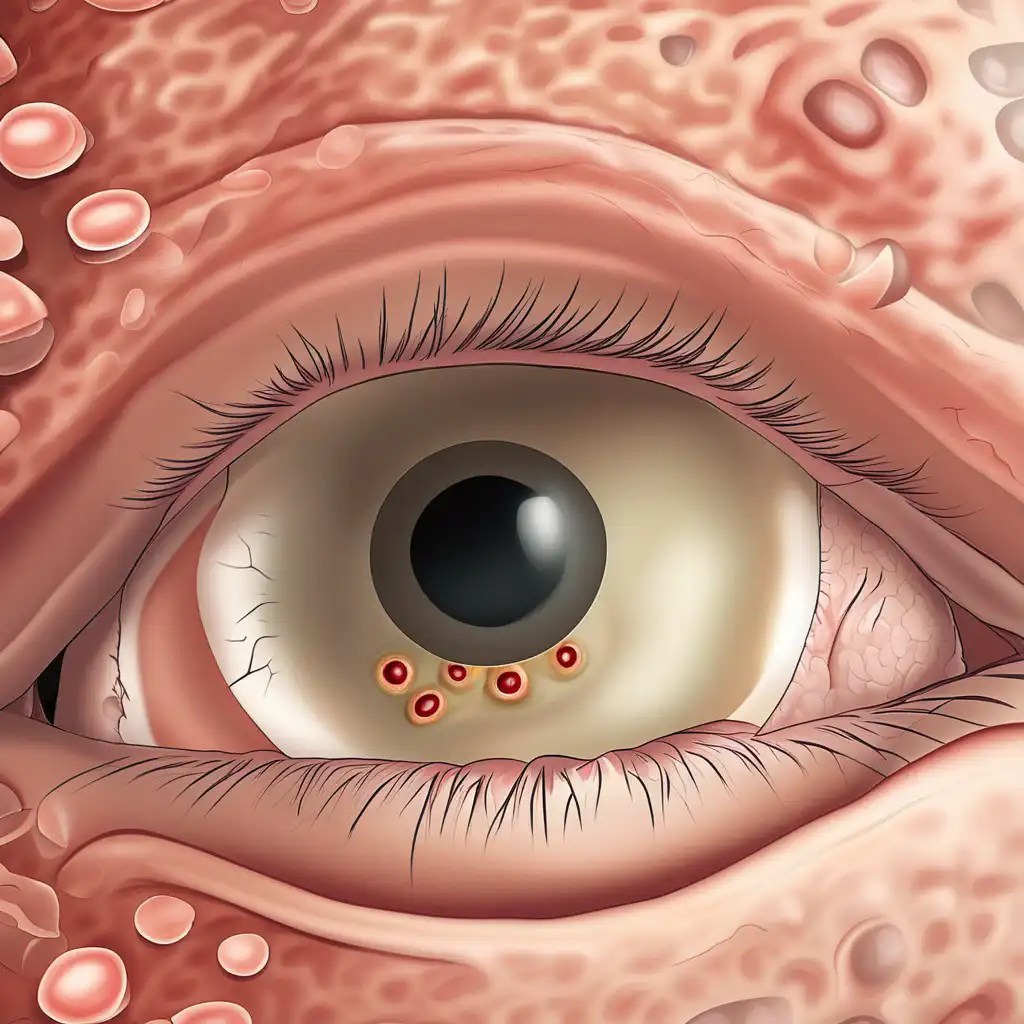
Related to or suffering from a medical condition where non-cancerous growths develop, often in the eyes and skin.
Tuberous sclerosis is a rare genetic condition that causes non-cancerous, or benign, tumors to grow in part of the body.
Audio could not be loaded. Please try again later.
The word 'tuberous' is often used to describe something that has a swollen, bulbous shape. It is commonly used in biology to describe plants that have fleshy, underground storage organs, such as potatoes or yams. It can also be used to describe medical conditions or growths that have a similar appearance, such as tuberous sclerosis, which is a genetic disorder characterized by the growth of benign tumors on various organs. In everyday language, it may be used to describe anything that is bulging or rounded in shape.
Bulbous and tuberous are both adjectives used to describe the shape of plants. Bulbous refers to a plant that has a rounded, bulb-like shape, usually underground.
Examples of bulbous plants are onions, garlic, and tulips. Tuberous refers to a plant that has a swollen, fleshy underground stem called a tuber.
Examples of tuberous plants are potatoes, yams, and some species of begonias. Bulbous describes a plant shaped like a bulb, while tuberous describes a plant with a fleshy underground stem.
Open word: Bulbous →Enlarge means to make something bigger or increase its size.
This word is used when something needs to be made larger. For example, you might enlarge a photo or an image on the computer screen.
Enlarge refers to making something bigger while tuberous refers to a swollen or bulbous shape, such as that of a tuber.
Open word: Enlarge →Fleshy describes something that's thick and has a lot of flesh or meat on it.
It usually describes plants, fruits or animal body parts that look heavy or dense. For example, a juicy, thick piece of steak can be described as fleshy.
While both words describe something that is thick, fleshy is used more generally, whereas tuberous typically refers to a specific type of plant structure.
Open word: Fleshy →Inflate means to fill something up with air or gas, making it larger in size or volume.
So the two words are quite different in meaning and application. Inflate is used for objects that need air, while tuberous is used for describing certain kinds of plant roots.
Open word: Inflate →Lumpy means having uneven or irregular bumps, while tuberous means having knobby, rounded, or swollen growths like a potato or some types of roots.
Lumpy can be used for describing the texture of something, such as a mattress or a sauce that has clumps, or a person's skin with small bumps.
Tuberous describes the shape of certain plants or body parts, like a potato or a breast with lumpy growths.
Lumpy refers to an uneven texture, while tuberous refers to a rounded or swollen shape.
Open word: Lumpy →Protuberant means sticking out prominently, like a bump or a bulge.
Protuberant describes things that stick out, while tuberous describes plants that have tubers.
Open word: Protuberant →Swell generally refers to a temporary or fluid-filled enlargement, like a swollen ankle or a swell in the ocean.
So, in short, swell is for a temporary puffiness while tuberous is for a permanent potato-like bump.
Open word: Swell →Thicken refers to the process of making something thicker or denser, while tuberous refers to a plant or vegetable that has a thick, fleshy, knob-like underground stem or root.
Thicken can be applicable to any substance or material that can be made thicker, such as sauces, soups, or liquids. Tuberous is applicable only to plants or vegetables that have a tuber or a swollen root, such as potatoes or sweet potatoes.
Open word: Thicken →