device
noun device
dɪˈvaɪs
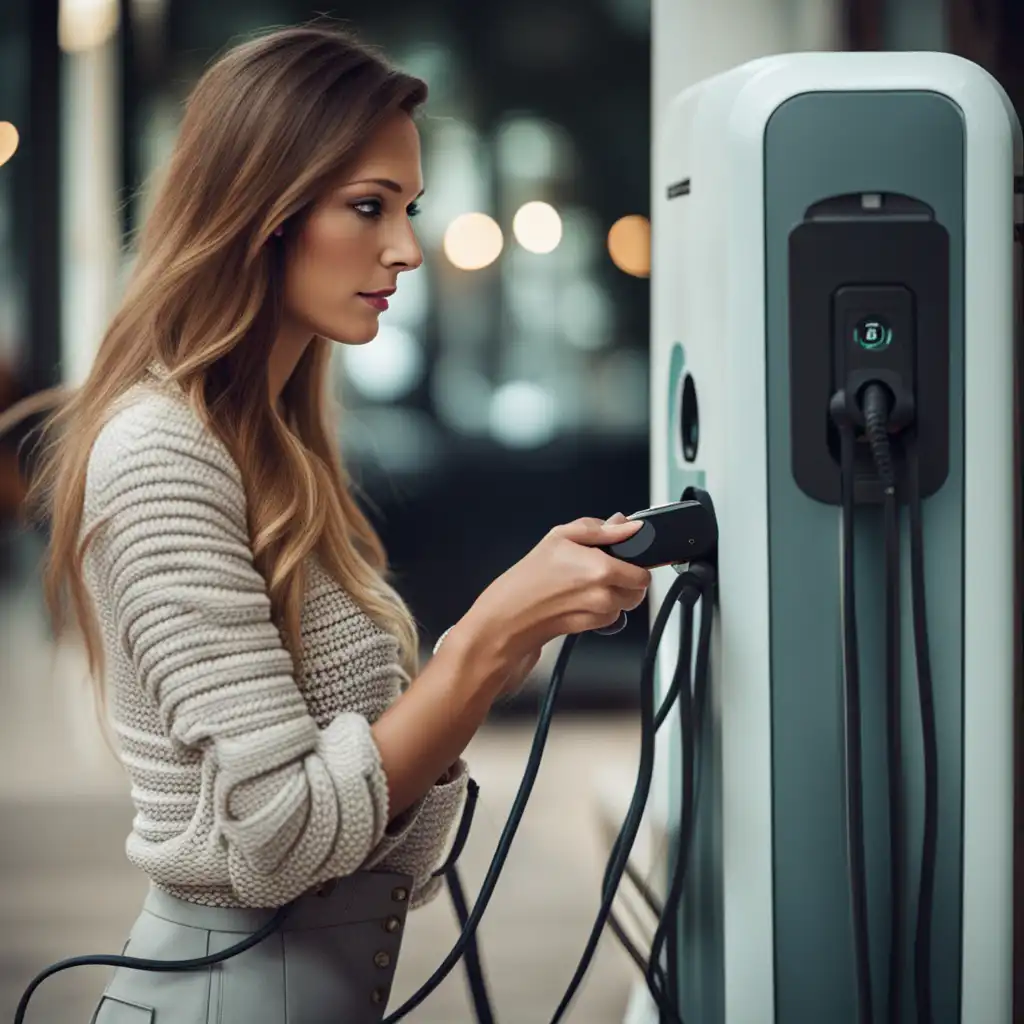
A thing made for a specific purpose, especially a machine or tool.
Evie needs to charge her electronic device.
device
dɪˈvaɪs
Loading…
dɪˈvaɪs
A thing made for a specific purpose, especially a machine or tool.
Evie needs to charge her electronic device.

dɪˈvaɪs
A plan or method for achieving a specific goal.
He used a clever device to get into the computer system.
dɪˈvaɪs
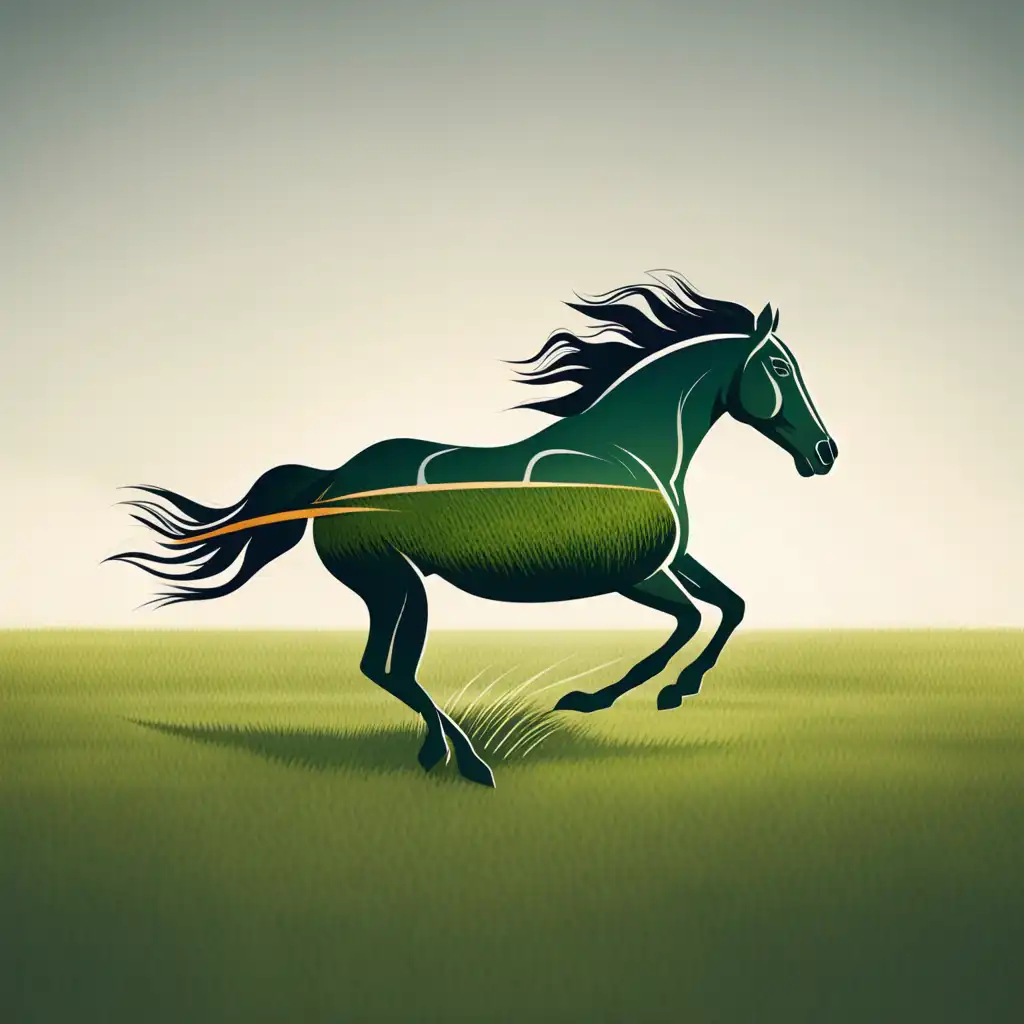
A design or logo that is a symbol for a company or organization.
Their device is a horse running free across a field.
dɪˈvaɪs
In literature, a device is a technique that a writer uses to produce a certain effect.
Her use of foreshadowing is a clever literary device.
Audio could not be loaded. Please try again later.
The word 'device' is used to describe a tool or a gadget that is designed to perform a specific task. It can refer to electronic devices, such as a smartphone, a laptop, or a tablet, or it can refer to mechanical devices, such as a screwdriver, a hammer, or a wrench. Devices are often used in various contexts such as in households, offices, factories, and in other settings that require the use of tools and machines. For example, a microwave oven is a device used in the kitchen to heat food, and a printer is a device used in an office to print documents.
Apparatus usually refers to a complex and specialized machine or equipment used for a specific purpose. For example, a scientific apparatus refers to the set of instruments and equipment used to perform experiments in a scientific laboratory.
In simpler terms, apparatus is used for larger and complex equipment while device is used for smaller and simpler gadgets.
Open word: Apparatus →Both words refer to something that is designed to perform a specific function, but appliance usually refers to a device that is used in the home, such as a refrigerator or dishwasher, while device is a more general term that can refer to any type of electronic or mechanical tool or gadget, such as a camera, computer, or phone.
If something is specifically designed to be used for a certain task in the home, it's likely an appliance, while if it's designed for a more general purpose, it's probably a device.
Open word: Appliance →A contraption is a complex and often oddly shaped machine or device that is used for a specific purpose. It's usually designed and constructed in an unusual or creative way, which may make it eye-catching or attention-grabbing.
To sum up, a contraption is a unique and often quirky machine that's built for a specific purpose, whereas a device is an umbrella term for any kind of tool or machine, ranging from simple to complex, that's used for a variety of functions.
Open word: Contraption →A contrivance is something that has been made with effort and skill for a particular purpose.
It is usually used to imply that the thing is somewhat complicated or artificial in nature. Examples of contrivances might be a Rube Goldberg machine or a complex game board.
In general, contrivances tend to be more elaborate and less practical than devices, and are often used in creative or artistic contexts, while devices are more straightforward and functional, and are used in a wide range of situations, from everyday life to industry and technology.
Open word: Contrivance →A gadget refers to a small, specialized electronic device that is designed for a specific purpose, often intended for personal or domestic use.
Examples of gadgets include fitness trackers, smartwatches, and digital cameras.
In summary, devices are larger and more general tools, while gadgets are smaller and more specialized tools.
Both words are applicable in various situations and can depend on personal preference or context. For example, a fitness tracker can be referred to as a device or a gadget, depending on the context in which it is being discussed.
Open word: Gadget →An instrument is a tool or object used to measure, observe, or analyze something. Instruments are commonly used in scientific experiments or research.
Examples of instruments include microscopes, telescopes, and thermometers.
A device is used to perform a task or function, while an instrument is used to measure or observe something.
Open word: Instrument →Mechanism refers to a system that is responsible for the movement or operation of a device. It is the interlocking parts or pieces that make up a machine, like a clock or a car engine.
Mechanisms are often related to the movement or process of a device, whereas devices could be something simple that needs no moving parts like a paperclip.
A device is an object or tool designed for a specific purpose, while a mechanism is a system responsible for the movement or operation of a device.
Open word: Mechanism →A device is an object that is created to perform a specific function, whereas a tool is an object that is used to perform a specific task.
Devices are often electronic, such as a smartphone or computer, and can be used for various purposes. Tools are usually handheld or mechanical and are designed to help complete a specific job or task, such as a screwdriver or a hammer.
In general, devices are more complex and advanced than tools and are often used to complete multiple tasks or functions.
For example, a smartphone can be used to make phone calls, send text messages, take photos, and access the internet. Tools are typically simpler and have one specific purpose, such as a wrench, which is used to tighten or loosen bolts or nuts.
Both devices and tools are necessary in our day-to-day lives and are used to make tasks easier and more efficient. While devices are often electronic and can be expensive, tools are typically more affordable and accessible to everyone.
In summary, devices are objects that perform tasks, while tools are objects that help complete tasks.
Open word: Tool →The imbalance would keep the wheel turning forever. Bhaskara's drawing was one of the earliest designs for a perpetual motion machine, a device that can do work indefinitely without any external energy source. Imagine a windmill that produced the breeze it needed to keep rotating.
Watch on YouTube ↗Our goal is to make the best devices in the world, not to be the biggest.
ready to lift off to start a new colony if the rat gets into trouble remarkably some of the pupae are set aside to act as flotation devices to help keep the raft afloat as the water level rises further the raft
Watch on YouTube ↗Without vision, even the most focused passion is a battery without a device.
If you look closely at this device, it's got a switch for encryption or cleartext. Let me advance the slide and now I'll go back. You see the difference? This is plain text. This is encrypted.
Watch on YouTube ↗Everyone, left to his own devices, forms an idea about what goes on in language which is very far from the truth.
of actual shrimp that they can keep each time biologists at this facility are putting a lot of Hope in the success of the turtle excluder device but they've also developed other research efforts that have boosted the ridley population like captive breeding with every healthy
Watch on YouTube ↗Sometimes, by using the most over-the-top, ridiculous plot device you can imagine, you get some interesting little conflicts and cool things that you might not otherwise have a chance to explore.
adapting devices or creating solutions when what was available did it work it's something I've always embraced it's something I've carried over into my work as an occupational therapist the use of technology to help facilitate independence for individuals
Watch on YouTube ↗Left to our own devices and passions, we human beings have a hard time seeing beyond what is immediately in front of us.
Sitting in an awkward position for a long time can promote poor posture, and so can using computers or mobile devices, which encourage you to look downward. Many studies suggest that on average posture is getting worse. So what does good posture look like? When you look at the spine from the front or the back,
Watch on YouTube ↗In the creative industries, there are few things more exciting than a zinger - a thought, idea, line, plot device - anything really, that just totally works in a fundamentally new and fresh way. It's like a uniquely lovely melody or a new taste idea in cooking. Something special, something new, something wonderful. They're also very rare.
and we spent much of our history coming up with ways to detect them, from medieval torture devices to polygraphs, blood-pressure and breathing monitors voice-stress analyzers, eye trackers infrared brain scanners, and even the 400-pound electroencephalogram. But although such tools have worked under certain circumstances,
Watch on YouTube ↗We all use something - you can't drill holes with your fingers. Whether it's a knife, a needle, or a machine, we all need the help of a device.
If the body is deeply mapped in the brain, then by extending our sense of self to new wearable devices, our brains may eventually adapt to a restructured version with new sensory representations. Or perhaps uploading our consciousness into a computer might not even be possible
Watch on YouTube ↗In many parts of the world, more people have access to a mobile device than to a toilet or running water.
shrinking the sample space and increasing the probability of getting a particular combination. The point is that information affects probability. And conditional probability isn't just the stuff of abstract mathematical games. It pops up in the real world as well. Computers and other devices use conditional probability
Watch on YouTube ↗I do see a lot of roles that are, like, the girlfriend or the love interest or the girl next door. Maybe not totally well-rounded kinds of characters - women who are more of a plot device in a way.
If repetition is such a trigger, then perhaps we can blame our earworms on modern technology. The last hundred years have seen an incredible proliferation of devices that help you listen to the same thing again and again.
Watch on YouTube ↗My entire life, I wake up, and at some point in the afternoon, I head toward some kind of musical recording device. My entire life.