phosphorus
noun phosphorus
ˈfɑːsfərəs
A chemical element that glows slightly in the dark and is typically present in living organisms.
Phosphorus is a critical ingredient in fertilizer.
phosphorus
ˈfɑːsfərəs
Loading…
ˈfɑːsfərəs
A chemical element that glows slightly in the dark and is typically present in living organisms.
Phosphorus is a critical ingredient in fertilizer.
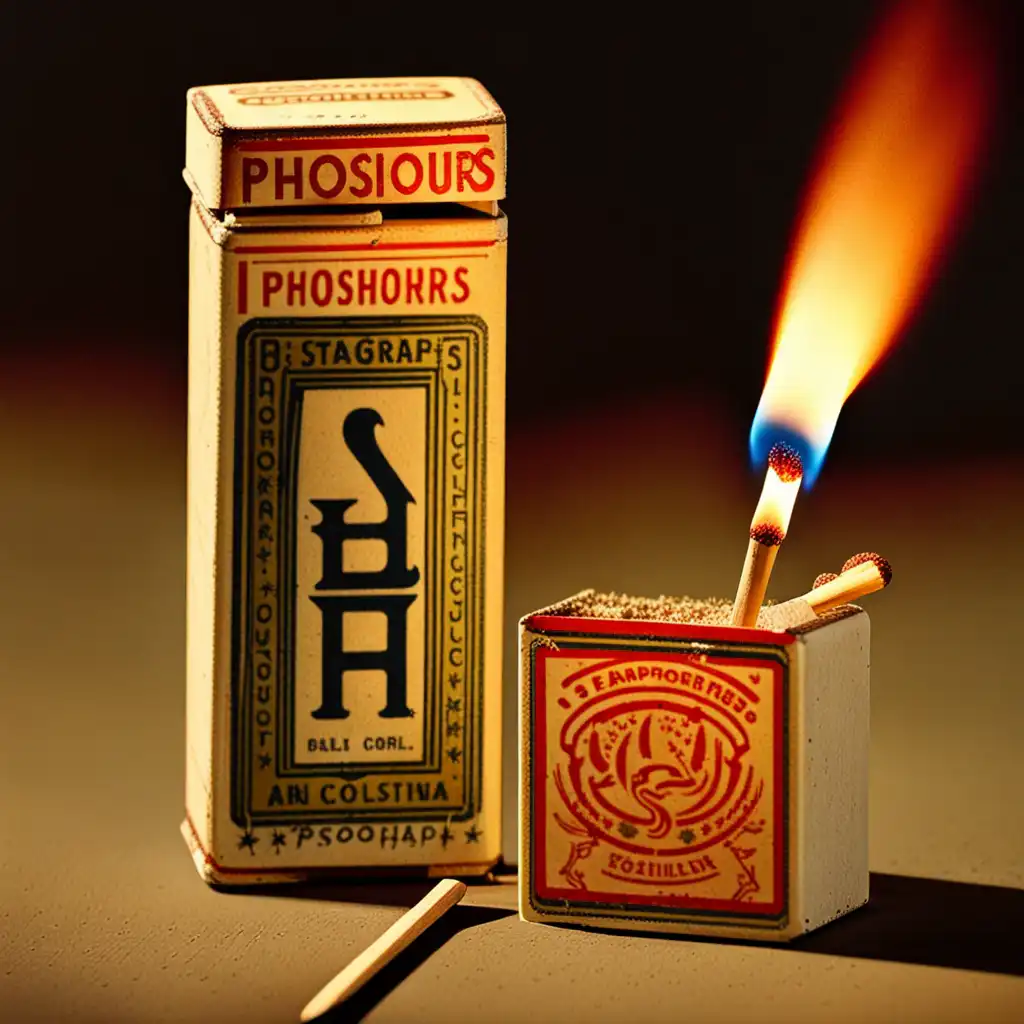
ˈfɑːsfərəs
A type of matches that contains phosphorus.
Early matches were dangerous because they used white phosphorus.
Audio could not be loaded. Please try again later.
Phosphorus is a chemical element that is important for life. It is found in things like plants, animals, and even in some minerals. It is used for many things like fertilizers, matches, and even in some medicines. In biology, it is important in keeping bones healthy and in energy production. When talking about science or health, phosphorus is a word that might come up.
Phosphate refers to a chemical compound that contains phosphorus and other elements, such as oxygen. It is most commonly found in fertilizers, which are used to help plants grow.
Phosphorus is a chemical element that is essential for all living organisms, including plants and animals. It is found in many different compounds, including phosphate.
Phosphate is applicable in fertilizers and as a food additive, while phosphorus is applicable in living organisms and is essential for processes like energy production and DNA synthesis.
Open word: Phosphate →Phosphorescence refers to the emission of light following the absorption of energy. This is typically seen in materials that have been exposed to light and then continue to glow after the light has been removed.
Phosphorescence can be seen in things like glow-in-the-dark toys, luminescent paints, and bioluminescent animals.
Phosphorus is an element while phosphorescence is the emission of light after absorbing energy.
Open word: Phosphorescence →a kind of tissue that forms bones and teeth and heals wounds. Vitamin A helps make white blood cells key in the body's defense, helps shape bones and improves vision by keeping the cells of the eye in check. Vitamin D gathers calcium and phosphorus so we can make bones, and vitamin E works as an antioxidant,
Watch on YouTube ↗If you look at the ecological circuitry of this planet, the ways in which materials like carbon or sulfur or phosphorous or nitrogen get cycled in ways that makes them available for our biology, the organisms that do the heavy lifting are bacteria.
We've doubled the flows of nitrogen and phosphorus around the world simply by using fertilizers, causing huge problems of water quality from rivers, lakes and even oceans and it's also the single biggest driver of biodiversity loss. So without a doubt agriculture is
Watch on YouTube ↗We're not just any star stuff, most of which is humdrum hydrogen and listless helium. Our bodies include fancier ingredients like carbon, oxygen, nitrogen, phosphorous, and a few other herbs and spices.
sort of vibrations that show through in the camera I can actually smell you can smell the nitrogen in the air from the Lightning it's interesting with the nitrogen cycle that aids in plant growth a lot of plants need nitrogen they need nitrogen and phosphorus in particular a
Watch on YouTube ↗emissions on phosphorus depletion on nitrogen pollution on biodiversity loss on ecosystem degradation the list goes why is this I think this is because we really haven't paid enough attention to
Watch on YouTube ↗two meters in length as blood awards often live in nutrient-poor environments eating prey like small crustaceans and insect larvae give the bladder water vital source of nitrogen and phosphorus engulfing their prey in less than a millisecond
Watch on YouTube ↗and looking at all sorts of things like that. But essentially this is a big problem. Because when we lose something like the lettuce from the system, not only do we have that impact I just explained at the end of life, but we actually have had to grow that lettuce. The life cycle impact of that lettuce is astronomical. We've had to clear land. We've had to plant seeds phosphorus,
Watch on YouTube ↗Some things are actually easier for them to get. They're more abundant inside the earth, like water or nutrients like nitrogen and iron and phosphorus, or places to live. These are things that we literally kill each other to get ahold of up at the surface world.
Watch on YouTube ↗the rate of biodiversity loss, which is the sixth extinction period in the history of humanity -- one of them being the extinctions of the dinosaurs -- nitrogen and climate change. But we still have some degrees of freedom on the others, but we are approaching fast on land water phosphorus and oceans.
Watch on YouTube ↗nitrogen phosphorus sulfur -- they were all there. So Mars in its past, with a lot of water, perhaps plenty of time, could have had life, could have had that spark, could have grown.
Watch on YouTube ↗but even more importantly it needs nutrients, which it draws from the soil. Several of these nutrients are essential chemical phosphorus nitrogen and calcium.
Watch on YouTube ↗