bramble
noun bramble
ˈbræmbl
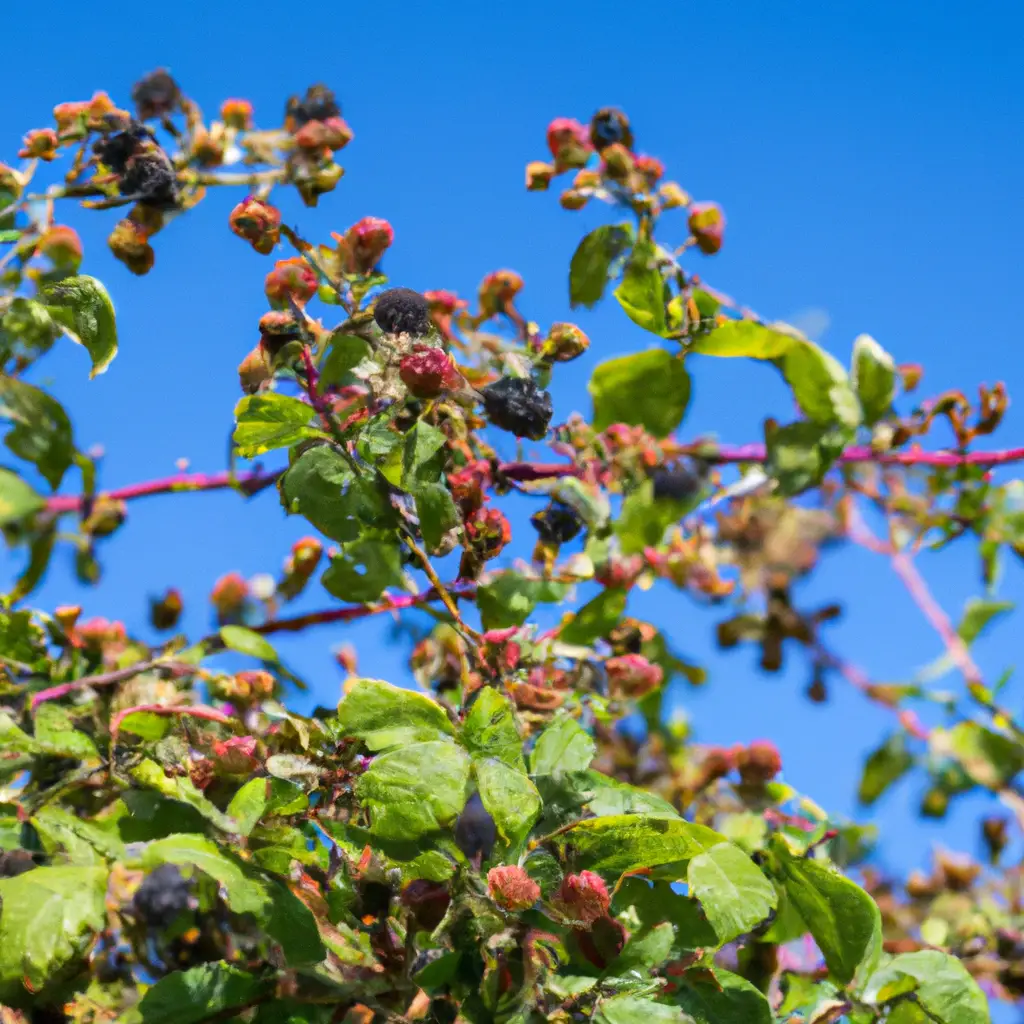
A type of thorny shrub or vine that produces berries, often blackberries or raspberries
They walked through the field, picking sweet blackberries from the brambles along the fence.
bramble
ˈbræmbl
Loading…
ˈbræmbl
A type of thorny shrub or vine that produces berries, often blackberries or raspberries
They walked through the field, picking sweet blackberries from the brambles along the fence.
ˈbræmbl
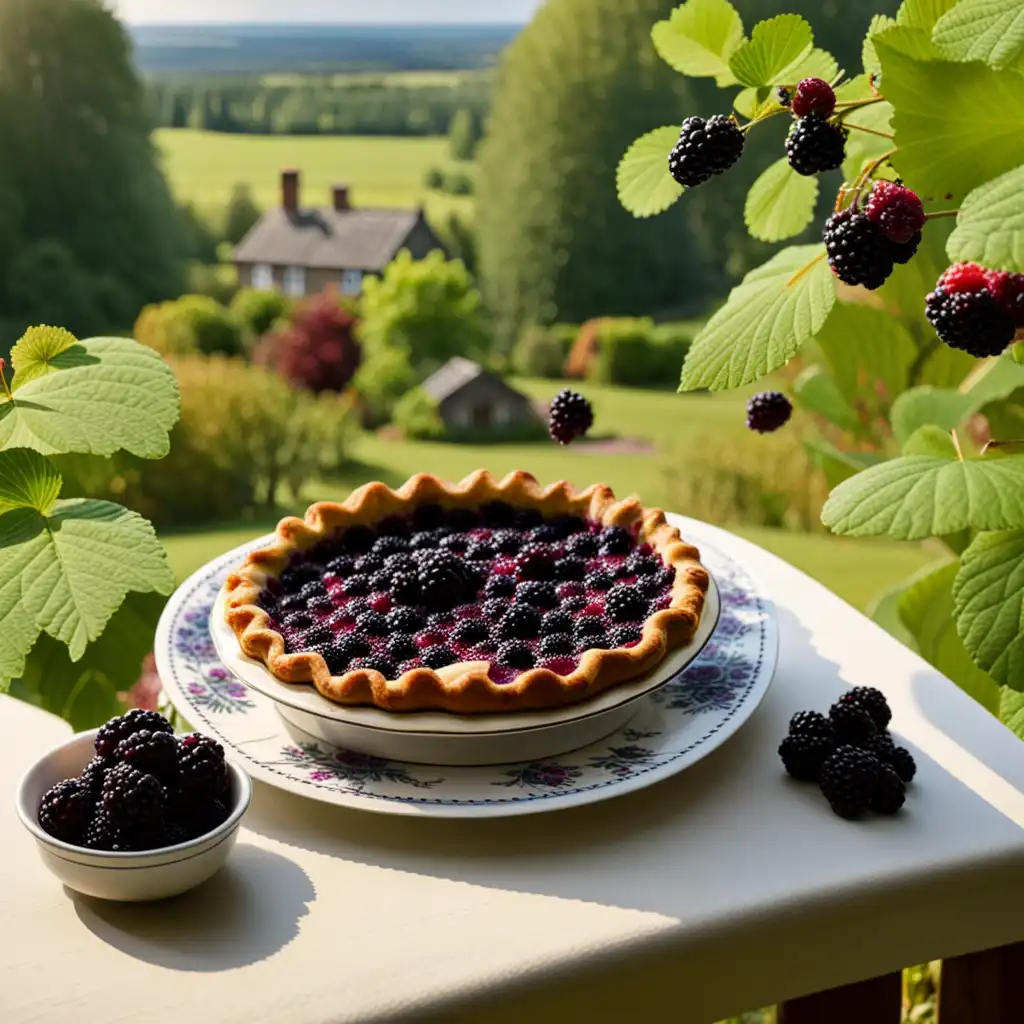
The fruit of this plant, particularly blackberries
The pie was made with fresh brambles from her grandmother's garden.

ˈbræmbl
A tricky, difficult, or complex situation
Their relationship became a bramble of misunderstandings and hurt feelings.
Audio could not be loaded. Please try again later.
The word 'bramble' refers to a type of wild plant that usually has thorny stems and can grow berries (such as blackberries or raspberries). You might encounter brambles while hiking or walking through a wooded area. You could use the word 'bramble' to describe the plants themselves (e.g. "Watch out for those brambles, they can be prickly!") or the berries they produce (e.g. "I picked some delicious blackberries from the bramble.").
Both bramble and briar are words used to refer to thorny plants.
Briar specifically refers to a thorny shrub or vine that produces woody stems that grow straight upward. Examples of briars include roses and certain types of wildflowers.
The word bramble is more commonly used to refer to plants that produce edible fruit, while briar is used more often to refer to ornamental plants, although these are not hard and fast rules.
Open word: Briar →A bush is a general term for a large plant with many branches and leaves, often found in gardens or in the wild.
A bramble is a specific type of bush that is covered in thorns and can be difficult to navigate through. It often produces fruits like blackberries or raspberries.
Open word: Bush →A hedge is a row of shrubs or small trees planted closely together, usually for the purpose of forming a boundary or screen.
Brambles are typically found in natural areas such as forests or fields, while hedges are more commonly found in landscaped areas, gardens, or alongside roads or property lines.
While brambles provide fruit and habitat for animals, hedges provide privacy, wind protection, and can also serve as a barrier to keep animals or people out of a specific area.
In summary, brambles are thorny bushes that produce berries, and hedges are rows of closely planted shrubs or trees used for boundary or protective purposes.
Open word: Hedge →Bramble refers to prickly shrubs often found in forests or fields that bear fruit such as blackberries or raspberries. Scrub refers to any low-growing bushes or trees that typically do not produce fruit and grow in arid or semi-arid regions.
Scrub is often found in places where the soil is poor and the climate is harsh. Brambles are applicable in areas where fruit-bearing shrubs can grow, while scrub is applicable in places where other types of vegetation struggle to survive.
Open word: Scrub →On the other hand, shrubs are woody plants that have multiple stems, grow up to several feet in height, and are usually grown for their attractive foliage or flowers.
Shrubs are often planted in gardens or landscapes for their ornamental value.
In summary, brambles are wild, thorny plants that produce fruit, while shrubs are decorative plants grown for their foliage or flowers.
Open word: Shrub →Bramble and tangle are two different words that are used to describe two different things.
Brambles can also be used to refer to a thorny, tangled mass of bushes or shrubs.
Tangle describes a situation where things are twisted together or in a disordered mess. For example, when a string, rope, or hair gets knotted or twisted together, we call it a tangle.
Tangle can also describe a complicated or confusing situation, such as a tangle of wires behind a computer.
Bramble describes a type of plant, while tangle describes a twisted or messy situation.
Open word: Tangle →A thicket is a dense group of bushes, trees or shrubs that are entwined together.
One can say that a bramble is a type of plant while a thicket is a group of plants.
You might use the word bramble to describe the prickly bushes while thicket is used for a dense group of bushes or trees that is difficult to pass through.
Open word: Thicket →It can describe blackberry or raspberry bushes, for example. Underbrush is any low-growing vegetation or shrubs that grow beneath the larger trees and can be found in forests or woodlands, sometimes even referred to as understory.
Underbrush refers to all vegetation on the forest floor excluding the larger trees. So, while bramble refers to specific types of thorny bushes, underbrush refers to all vegetation beneath the trees in a forest.
Open word: Underbrush →Dog Saves Old Woman's...
Watch on YouTube ↗The artist one day falls through a hole in the brambles, and from that moment he is following the dark rapids of an underground river which may sometimes flow so near to the surface that the laughing picnic parties are heard above.
Safari Live - Day 146 %\PIPE%...
Watch on YouTube ↗When I was 23, my Norwegian relatives taught me how to sit still. During the long sunlit evenings in the summer of 1992, my cousins would lead me across the farm to the edge of the forest, each of us lugging a folding chair. There, in a scraggly bramble of wild blueberries, we would set them down a few yards apart, each in our own little patch.
I love fairy tales because of their haunting beauty and magical strangeness. They are set in worlds where anything can happen. Frogs can be kings, a thicket of brambles can hide a castle where a royal court has lain asleep for a hundred years, a boy can outwit a giant, and a girl can break a curse with nothing but her courage and steadfastness.