chamfer
noun chamfer
ˈtʃæmfər
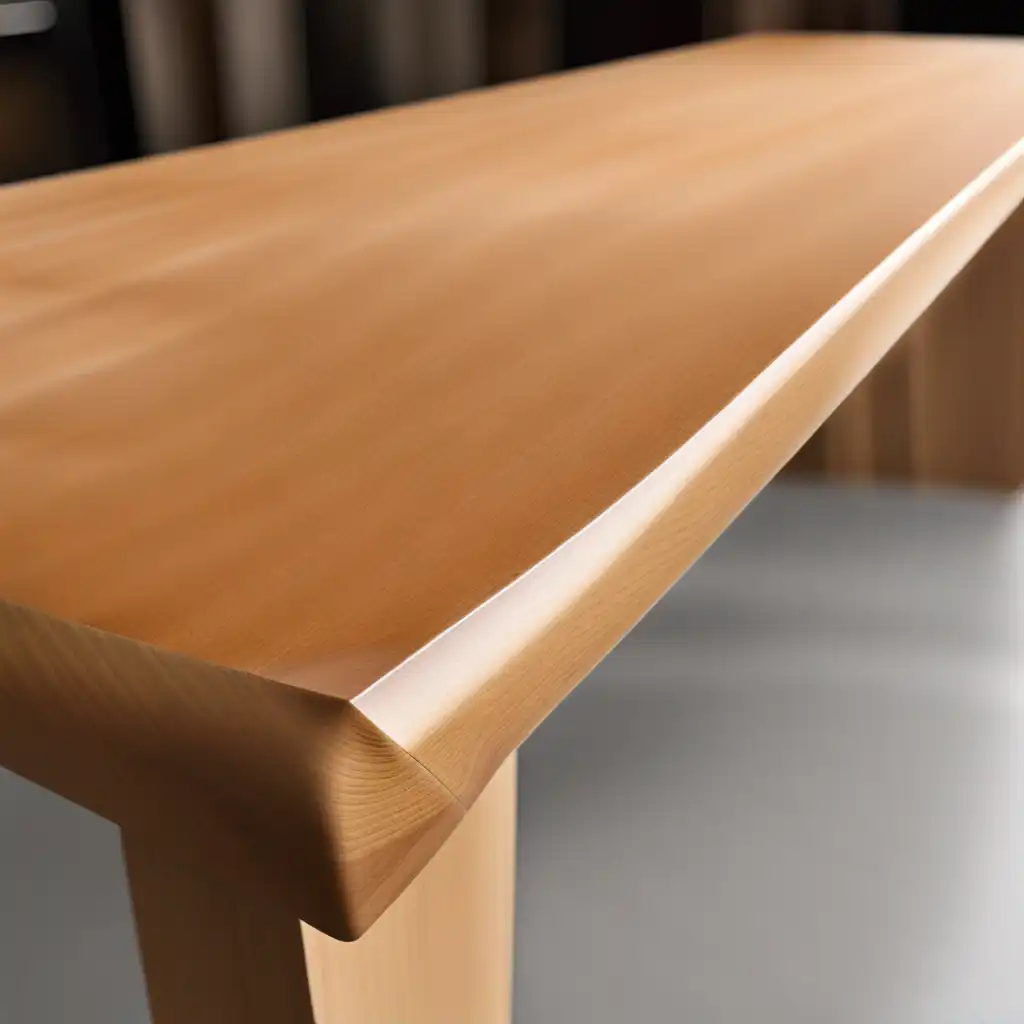
A sloped or angled edge or corner in a solid material, usually a piece of wood or metal.
The carpenter made a chamfer on the wood table to make it safe and more attractive.
chamfer
ˈtʃæmfər
加载中…
ˈtʃæmfər
A sloped or angled edge or corner in a solid material, usually a piece of wood or metal.
The carpenter made a chamfer on the wood table to make it safe and more attractive.
ˈtʃæmfər
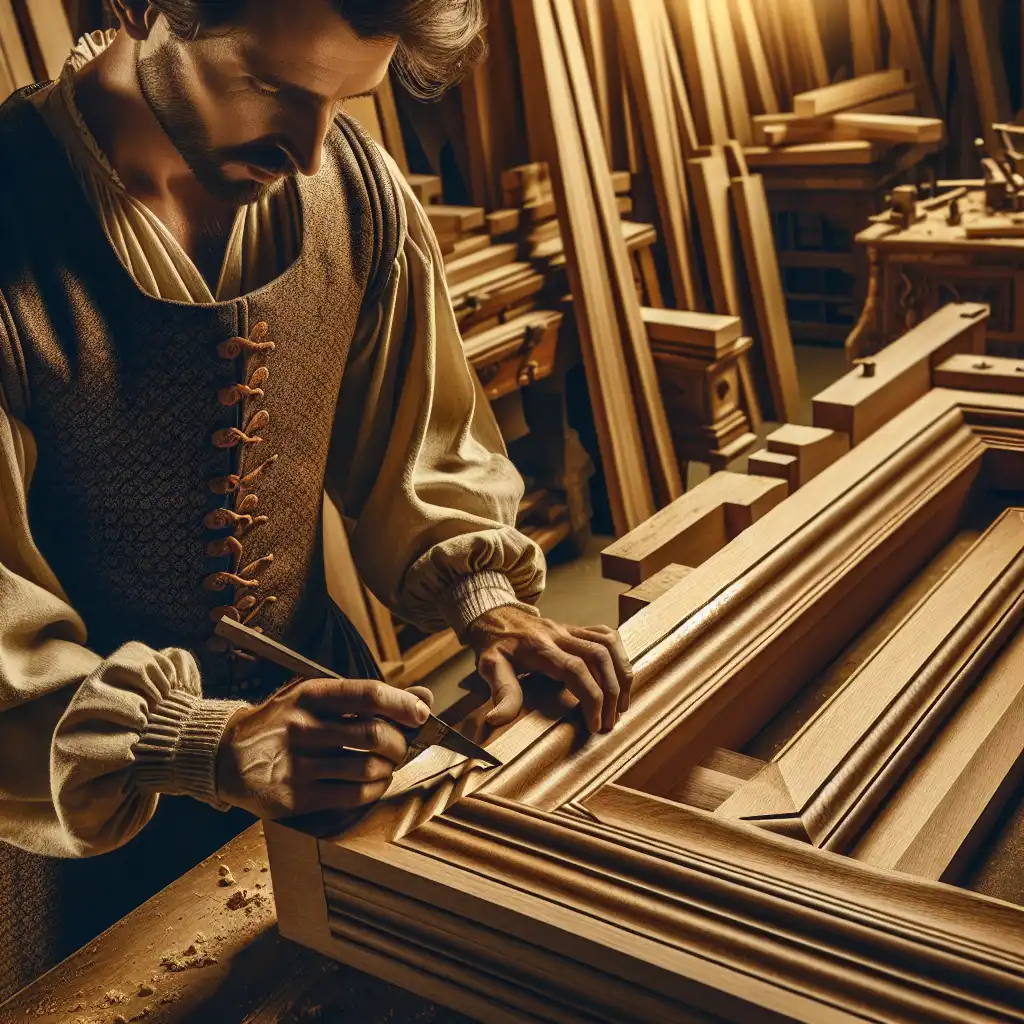
To cut off the right-angled edge or corner of something to form a symmetrical sloping edge.
The craftsman decided to chamfer the edges of the wooden frame for aesthetic reasons.
音频无法加载,请稍后再试。
Chamfer is a word used to describe the angled edge that is made by cutting away the corner of a material such as wood or metal. It is used in many different fields such as carpentry, engineering, architecture, and metalworking. For example, a carpenter might chamfer the edges of a piece of furniture to give it a more finished look, or an engineer might design a chamfered edge on a machine part to make it easier to handle. Chamfering can also be used for safety reasons, as sharp edges can be dangerous to handle or could cause injury.
An angle is a measure of the space between two intersecting lines or surfaces.
In practical terms, an angle can be found in a variety of objects and structures, such as a piece of furniture or a bridge.
An angle is a measure of slope or direction, while a chamfer is a type of edge or surface treatment. Angles are commonly used in geometry and mathematics, while chamfers are frequently employed in designing and crafting various objects and structures.
打开单词: Angle →Both bevel and chamfer are terms used to describe the same basic concept, which is trimming or cutting a piece of material at an angle.
A bevel refers to an angled cut or edge on a piece of material, with the angle being between 0 and 45 degrees. Beveled edges are often used for decorative purposes, as well as to create a more comfortable grip or transition between two surfaces.
A chamfer usually refers to an angled cut that is meant to be more functional than decorative. Chamfers are usually used to create a beveled edge that can help to prevent a sharp corner from accidentally damaging something or causing injury.
The main difference between the two terms is that bevels are more often used for decorative purposes, while chamfers are more often used for functional purposes.
打开单词: Bevel →A chamfer is a type of angled cut made to remove the sharp edges or corners of an object.
An edge refers to the line where two surfaces meet.
Edges are applicable in virtually any scenario where two surfaces come together and meet, and can serve functional, aesthetic or structural purposes.
打开单词: Edge →A mitre is when two materials or objects are joined at a 45-degree angle. This is often used in carpentry, woodworking, and quilting to create a clean, professional-looking corner or seam.
Mitres are commonly used in picture frames, door frames, window frames, and other types of decorative trim.
In summary, chamfers are angled cuts made on the edges of a material or object, while mitres are angled cuts made to two pieces of material to join them at a 45-degree angle.
打开单词: Mitre →Chamfering is the process of cutting off the edge of a material at a 45-degree angle to create a beveled edge, while trimming is the act of removing excess material from an object or surface to achieve the desired shape or size.
Trimming can be used in a variety of contexts, such as cutting hair, trimming bushes or hedges, or cutting fabric in sewing projects.
Both chamfering and trimming are important techniques that can be used to enhance the quality and appearance of different materials and objects.
打开单词: Trim →