macrobiotic
adjective macrobiotic
ˌmækrəʊbaɪˈɑːtɪk
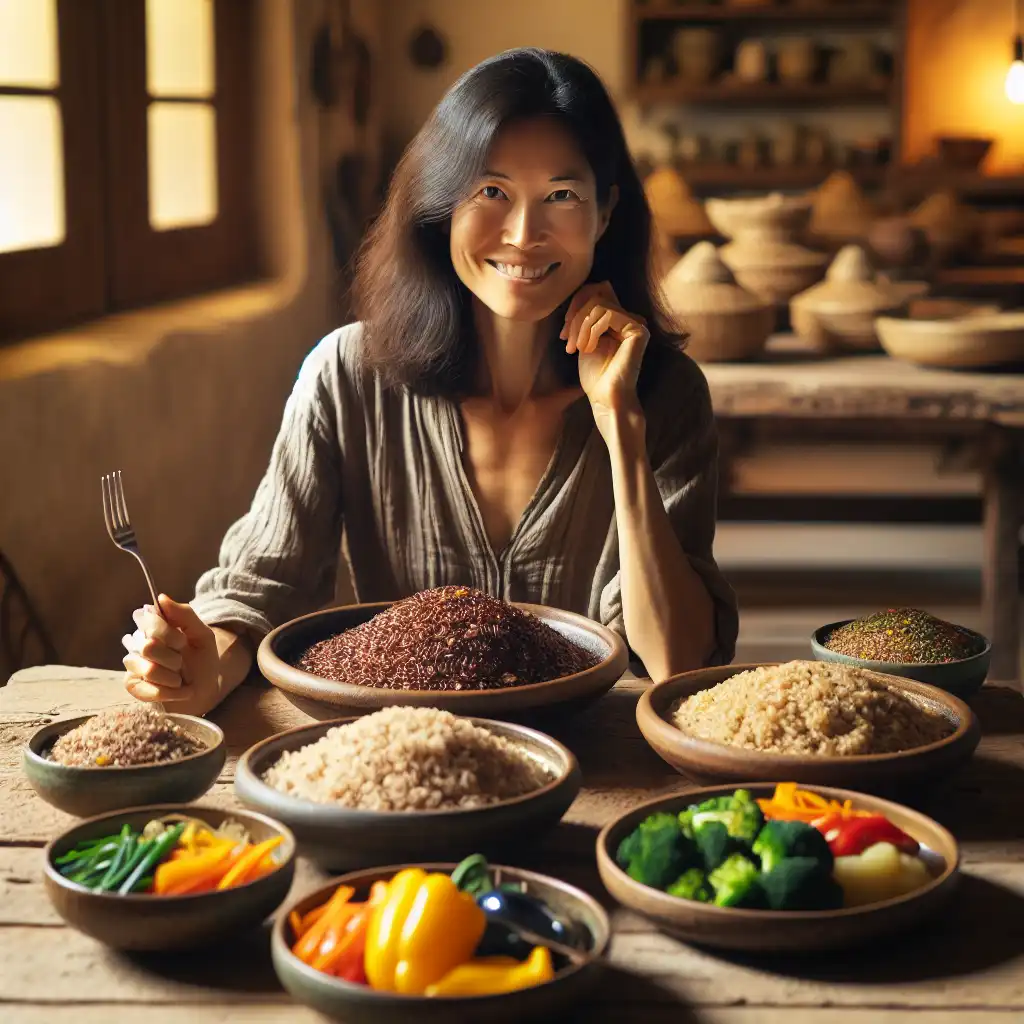
Related to a diet that is made up mainly of whole grains and vegetables
She has tried a lot of diets, but found the macrobiotic diet the most successful.
macrobiotic
ˌmækrəʊbaɪˈɑːtɪk
Đang tải…
ˌmækrəʊbaɪˈɑːtɪk
Related to a diet that is made up mainly of whole grains and vegetables
She has tried a lot of diets, but found the macrobiotic diet the most successful.
ˌmækrəʊbaɪˈɑːtɪk
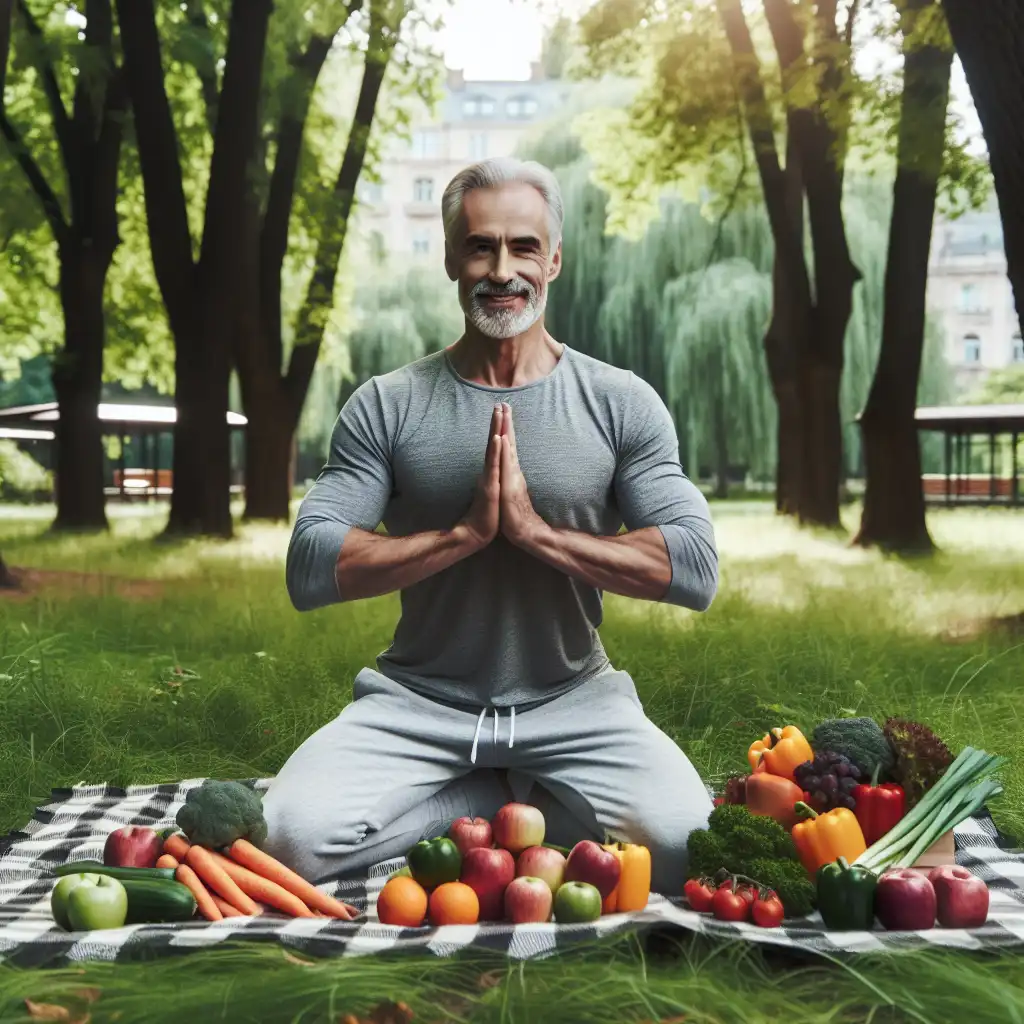
Belonging to a philosophy of life that aims at the attempt to prolong life and staying healthy
His macrobiotic lifestyle has allowed him to maintain a healthy body and clear mind.
Không tải được âm thanh. Vui lòng thử lại sau.
The word 'macrobiotic' refers to a diet or way of eating that emphasizes whole grains, vegetables, and beans while avoiding processed foods, refined sugars and excess animal products. It is often associated with the Japanese traditional diet and philosophy of balance and harmony with nature. People who follow a macrobiotic lifestyle may also incorporate meditation, exercise, and other practices to promote overall health and well-being. The term 'macrobiotic' can be used to describe a person, a diet or a lifestyle characterized by these principles.
Balance refers to the state or condition of having equal or appropriate distribution of different elements or factors.
It can be applied in various contexts, such as balancing your time between schoolwork and social life, or balancing your diet by incorporating a variety of foods from all food groups.
Macrobiotic refers to a specific dietary philosophy and lifestyle that emphasizes eating natural, whole foods that are regarded as energetically balanced.
Balance is a general concept of having proportionate distribution of elements, while macrobiotic is a specific dietary philosophy that emphasizes a particular way of eating.
Mở từ: Balance →Clean refers to food that is free from harmful substances such as chemicals, preservatives, and additives.
A clean diet emphasizes whole, unprocessed foods and limits processed and junk food.
Both clean and macrobiotic diets focus on eating healthy, whole foods.
However, the macrobiotic diet is much more restrictive in terms of the types of foods allowed, while a clean diet focuses more on eating whole, unprocessed foods.
A macrobiotic diet may be more applicable for someone who wants to follow a specific dietary philosophy, while a clean diet may be more applicable for someone who wants to focus on eating healthier in general.
Mở từ: Clean →Healthful means promoting good health, which can refer to any type of food or lifestyle choice that is good for the body.
Healthful is a broad term that can be applied to any food or lifestyle choice that promotes good health, such as exercise or getting enough sleep.
Healthful is a general term that can apply to any healthy lifestyle choice, while macrobiotic refers specifically to a dietary practice.
Mở từ: Healthful →Holistic refers to an approach to health and wellness that looks at the whole person and considers all aspects of their life - physical, mental, emotional and spiritual - in order to promote overall well-being.
Holistic refers to a broad approach to health and wellness that considers all aspects of a person's life, while macrobiotic focuses specifically on a dietary approach.
Mở từ: Holistic →Natural refers to things that are not synthetic or artificial, and are found in nature. This could refer to foods, products, or materials.
Macrobiotic is a specific type of diet and lifestyle, while natural is a broader term referring to things found in nature.
Mở từ: Natural →Nutritious simply means that a food or diet is rich in nutrients and provides the body with sustenance and energy.
So while a macrobiotic diet may also be nutritious, not all nutritious diets are necessarily macrobiotic. Nutritious is a broader term that applies to any diet that provides the body with essential nutrients, while macrobiotic refers specifically to a particular philosophy and practice of eating.
Mở từ: Nutritious →Organic refers to a method of farming that avoids the use of synthetic pesticides and fertilizers.
Macrobiotic is applicable to one's diet and lifestyle choices, while organic pertains to food production. A person can choose to follow a macrobiotic diet and lifestyle, while farmers can choose to grow and label their produce as organic.
Mở từ: Organic →Vegetarianism is a dietary practice that tcompasses not eating meat or animal products like eggs, dairy, and honey. Macrobiotic refers to a type of diet that emphasizes locally sourced, whole grain, unprocessed food that is minimally cooked.
A macrobiotic diet can be vegetarian, but it also allows for small amounts of fish and seafood. Vegetarianism is applicable to those who do not want to consume meat or animal products, while macrobiotic is suitable for people who want to adopt a natural, whole-foods-centric lifestyle.
Mở từ: Vegetarian →During the strict macrobiotic chapter of my life, I ate miso soup every day for breakfast and sometimes with dinner as well.
My parents were all into macrobiotic cooking and natural cooking, and my sister was a vegetarian. I wasn't down with that.
At 15, I knew someone whose mother cooked macrobiotic, so I persuaded my mother to go macrobiotic with me.
In fact, in many ways my mother was quite hippy-dippy, serving macrobiotic food and reading 'Zen and the Art of Motorcycle Maintenance.
For most of my 20s, I looked like I was 12. Now that I'm pushing 40, I guess I look closer to... 15? It must be my macrobiotic diet. Oh, wait, except that I don't have one of those.