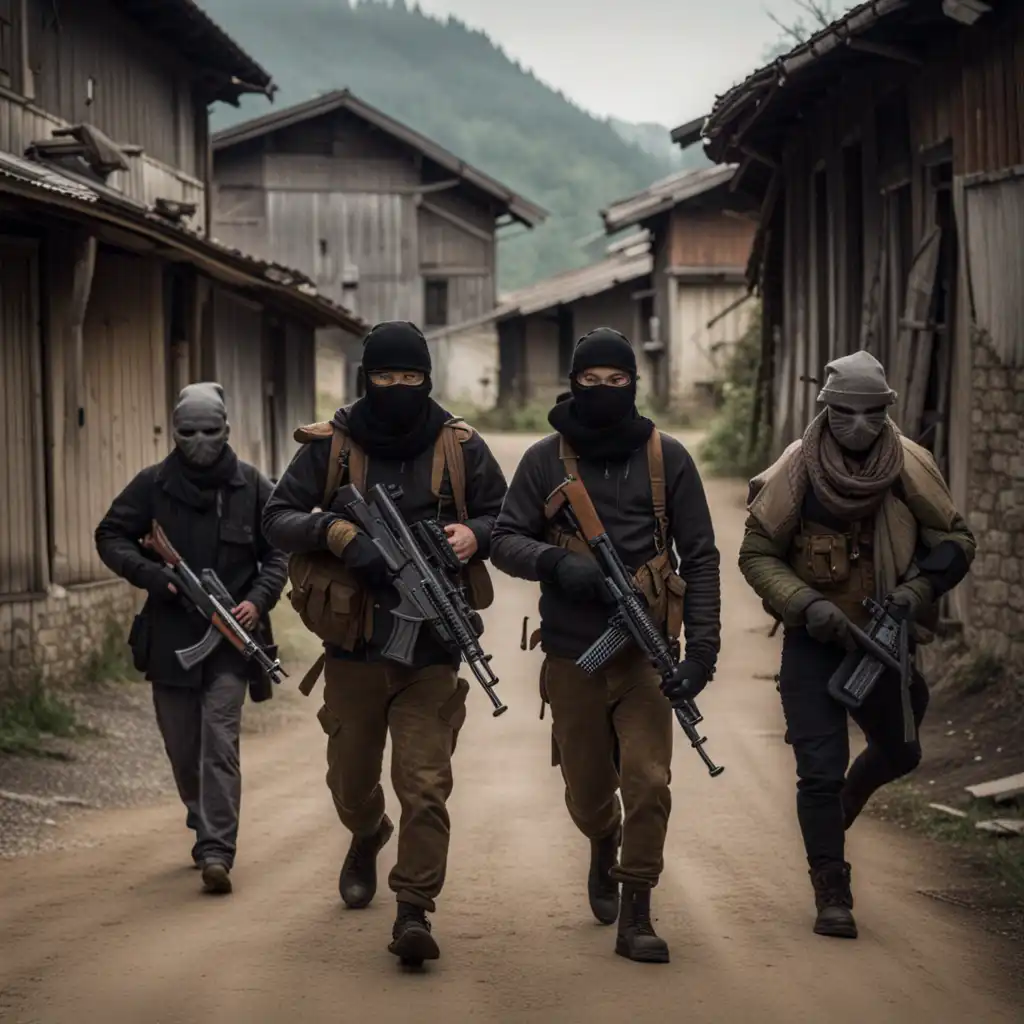
dacoity
noun dacoity
dəˈkɔɪti
An act of violent robbery committed by a group.
The villagers were living in fear of a potential dacoity.
dacoity
dəˈkɔɪti
Loading…
dəˈkɔɪti
An act of violent robbery committed by a group.
The villagers were living in fear of a potential dacoity.
Audio could not be loaded. Please try again later.
Dacoity is a word that describes violent robberies committed by a group of thieves, usually in rural areas or in remote towns. It's a term that's more commonly used in India and other parts of South Asia. If you hear someone say "dacoity" or read it in a news article or book, it's referring to a specific kind of crime where a gang of robbers come together to steal from a place/people and sometimes hurt or kill those in the process.
Burglary is when someone breaks into a building or a house to steal something. Dacoity is a type of robbery, where a group of people use violence to steal something from one or more people.
Burglary is usually a crime against property, while dacoity is a crime against a person or people. Burglary is common in residential areas, while dacoity is more likely to happen in public places like streets or banks.
Open word: Burglary →Dacoity and loot both refer to stealing and robbery but they are used differently. Dacoity refers specifically to a group of people who commit a robbery with violence or threats of violence, typically in rural areas.
Loot refers to the act of stealing or taking possessions by force, often used to describe the theft of goods during war or rioting.
In simpler terms, dacoity is a form of robbery where a group of people use violence or threats to steal, while loot is a more general term referring to stealing or taking possessions forcefully.
Open word: Loot →Pillage refers to the act of looting or stealing from a place, usually during a war or as a result of a natural disaster.
It does not necessarily involve violence, and the loot can be taken from anyone or anywhere. Dacoity is specific to a certain region and involves targeted violence, while pillage can happen anywhere and does not necessarily involve violence.
Open word: Pillage →Dacoity and plunder are both terms used to describe the act of stealing and looting.
Plunder refers to the act of stealing or looting goods during a military or political conflict.
Dacoity is a type of organized crime where a group of people target specific individuals, homes, or businesses. Plunder is the act of stealing goods and resources during a military or political conflict.
Open word: Plunder →Raid refers to a surprise attack or search conducted by authorities or law enforcement officials.
Dacoity is a form of criminal activity carried out by individuals or groups whereas a raid is a tactic used by authorities to enforce the law.
Open word: Raid →Dacoity refers to a group of people who commit robbery, especially in an organized and violent manner. Robbery is an act of stealing from a person or a place by using force, threat or violence.
Dacoity is applicable where a large group of people plans to commit a theft or robbery and it is usually committed in a rural area.
Robbery is applicable where an individual or small group of people commit theft by using force or violence, and can occur in both urban and rural areas.
Open word: Robbery →It is a more severe form of theft, and usually involves a gang or group of individuals.
Theft refers to the act of taking someone's property without their permission or consent.
The main difference between dacoity and theft is that dacoity involves violence and force, whereas theft can be done without using any form of violence.
Open word: Theft →