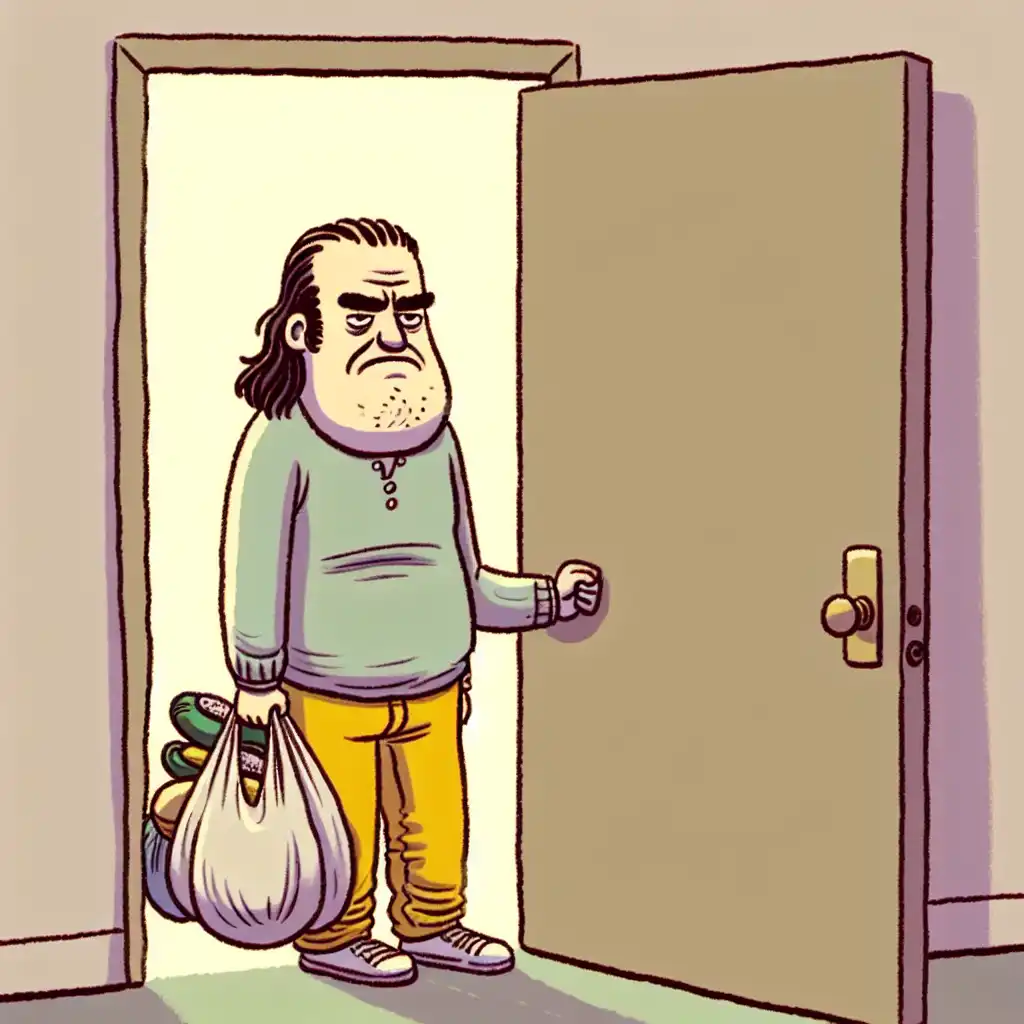
uncivil
adjective uncivil
ˌʌnˈsɪvl
Not polite, kind, or courteous.
It is uncivil to not say 'please' and 'thank you'.
uncivil
ˌʌnˈsɪvl
読み込み中…
ˌʌnˈsɪvl
Not polite, kind, or courteous.
It is uncivil to not say 'please' and 'thank you'.
音声を読み込めませんでした。しばらくしてからもう一度お試しください。
The word 'uncivil' means rude or impolite behavior. It can be used to describe someone who is not respectful or considerate towards others in their words or actions. For example, if someone is talking loudly on their phone in a quiet library, their behavior can be described as "uncivil." It's important to use the word in situations where someone's behavior is causing discomfort or inconvenience for others.
Discourteous is used when someone is rude, impolite, or disrespectful, such as cutting in line, interrupting someone while they're talking, or not saying please and thank you.
For example, if someone speaks with a rude tone or cuts in line, they are being discourteous. If someone is being intimidating, aggressive or using abusive language, they are being uncivil.
単語を開く: Discourteous →Both disrespectful and uncivil refer to behavior that is inappropriate or impolite, but there are some subtle differences in meaning.
Disrespectful means showing a lack of respect or regard for someone or something. It implies a deliberate intention to disregard someone's feelings or authority.
For example, if you talk back to a teacher or insult a parent, that would be considered disrespectful behavior.
Disrespectful suggests a deliberate disrespect of a person, while uncivil suggests a lack of manners or decorum in social situations.
単語を開く: Disrespectful →Gracious means to have kindness and understanding towards others, while uncivil means to behave rudely and disrespectfully.
Gracious would be applicable when someone is showing kindness, generosity or understanding towards others, such as when someone says 'thank you' or 'please' or when someone goes out of their way to help someone in need.
単語を開く: Gracious →Impolite refers to behavior that is not courteous or well-mannered, while uncivil refers to behavior that goes against accepted social norms and expectations of behavior in society (such as being rude, disrespectful, or offensive).
For example, chewing with your mouth open may be considered impolite, as it is not considered proper etiquette at the dinner table.
On the other hand, using derogatory or offensive language towards someone is considered uncivil, as it is not only impolite but also violates social norms of respect and equality towards others.
単語を開く: Impolite →Insolent and uncivil are words that describe behaviour that is impolite or rude, but there is a subtle difference between them.
Insolent implies that the person is disrespectful or contemptuous in their behaviour or speech. For example, if someone talks back to their teacher or mocks them, that would be considered insolent behaviour.
Insolent suggests a deliberate act of disrespect while uncivil suggests a lack of manners or social etiquette.
単語を開く: Insolent →Offensive refers to behavior or language that is likely to cause hurt or anger to someone, especially because it is insulting, rude, or insensitive.
For example, using racial slurs or making fun of someone's physical appearance can be offensive.
It is less severe than offensive behavior.
It's important to try to avoid both offensive and uncivil behavior in order to maintain healthy relationships and a positive environment.
単語を開く: Offensive →Pertinent means relevant or applicable to a particular matter or situation.
It describes something that is important or related to the topic at hand. For example, during a discussion about climate change, a pertinent topic might be the effects of carbon emissions on the environment.
Pertinent describes something that is relevant or important to a topic, while uncivil describes behavior or language that is rude or disrespectful.
単語を開く: Pertinent →Rude refers to behavior that is impolite or disrespectful, and can be used in any context. For example, if someone talks loudly in a library, they're being rude.
Rude is a broader term that can be used in any situation where someone is being impolite, while uncivil is a more specific term that refers to disrespectful behavior toward authority figures.
単語を開く: Rude →How to turn protest into...
YouTube で見る ↗I have often seen people uncivil by too much civility, and tiresome in their courtesy.
Why being respectful to...
YouTube で見る ↗There's a rule of thumb in politics. If you're at a point where you're complaining about the other guy being mean and unfair and uncivil, that's probably a sign that you're losing.
Bonus Episode: Bicycles,...
YouTube で見る ↗Civility is not not saying negative or harsh things. It is not the absence of critical analysis. It is the manner in which we are sharing this territorial freedom of political discussion. If our discourse is yelled and screamed and interrupted and patronized, that's uncivil.