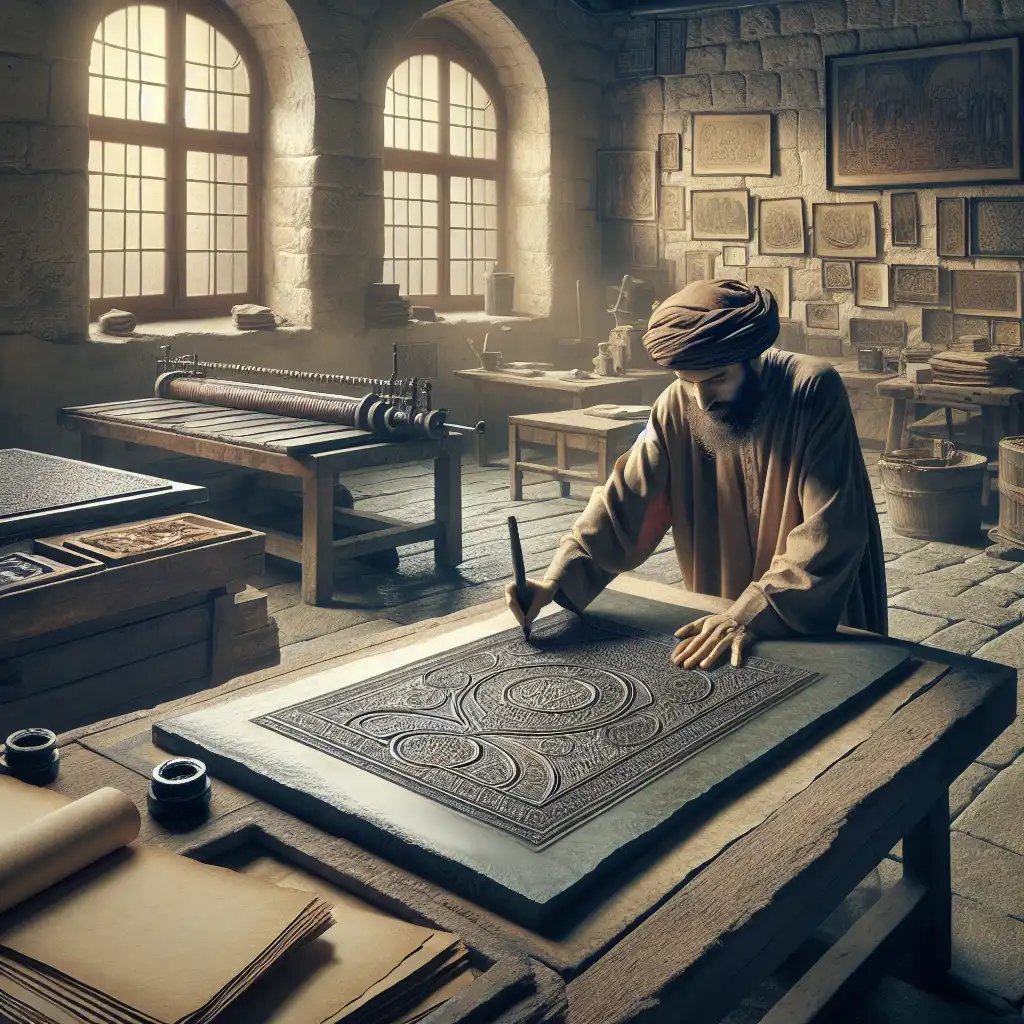
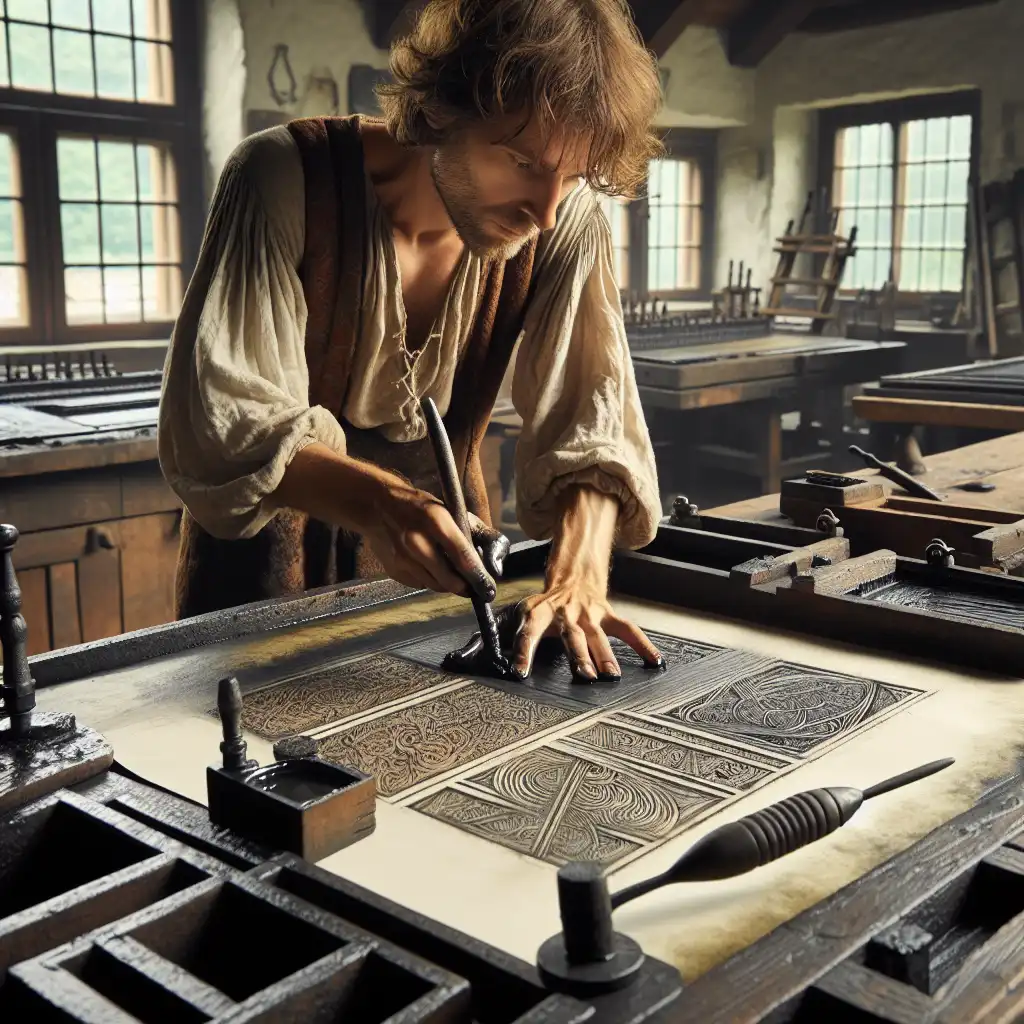
The art of producing an image on a flat surface usually of stone or metal, by tracing the design on it with a greasy substance, and then applying ink, which adheres only to the greasy lines.
The old-fashioned lithography technique allows the artist to produce textured prints.
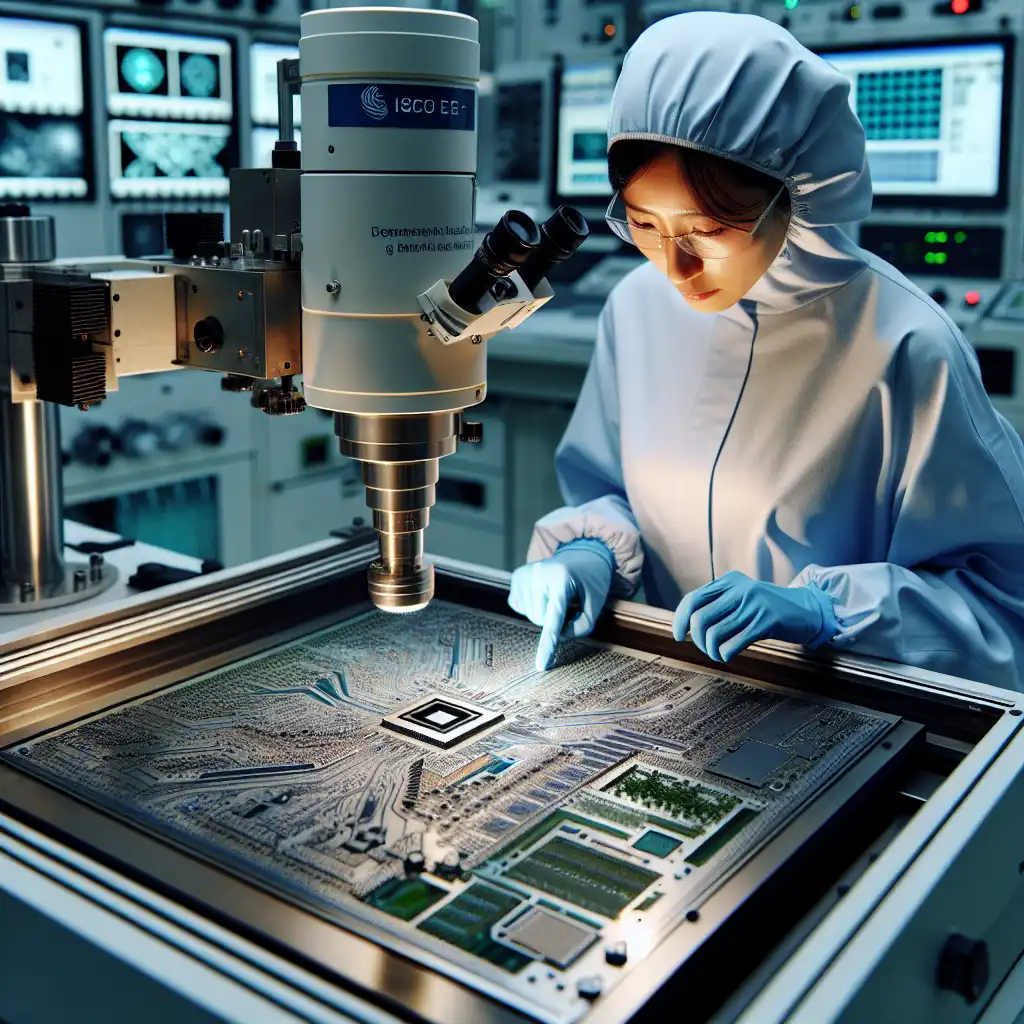
A method in microfabrication to pattern parts of a thin film or the bulk of a substrate. It uses light to transfer a geometric pattern from a photomask to a light-sensitive chemical photoresist on the substrate.
The semiconductor industry uses lithography in the production of integrated circuits.
Lithography is a way of printing pictures or words on paper, usually for things like posters or books. It involves using a flat surface (like a metal plate or a stone) that has been carefully prepared and treated with chemicals so that only the parts of the surface that are meant to be printed will accept ink. When ink is applied to the surface and then pressed onto paper, it creates a clear and detailed image or text. This method of printing is often used for artistic works or high-quality reproductions of important documents.