
bleeder
noun bleeder
ˈbliːdər
A person that is difficult to deal with or handle.
He's a tough bleeder to work with, always arguing and never agrees.
bleeder
ˈbliːdər
Chargement…
ˈbliːdər
A person that is difficult to deal with or handle.
He's a tough bleeder to work with, always arguing and never agrees.

ˈbliːdər
A person who bleeds excessively, especially one suffering from a bleeding disorder.
As a result of his condition, he is a bleeder and needs frequent transfusions.

ˈbliːdər
A device for removing air bubbles from a pipe or container.
The plumber suggested installing a bleeder to get rid of the air in the water pipes.
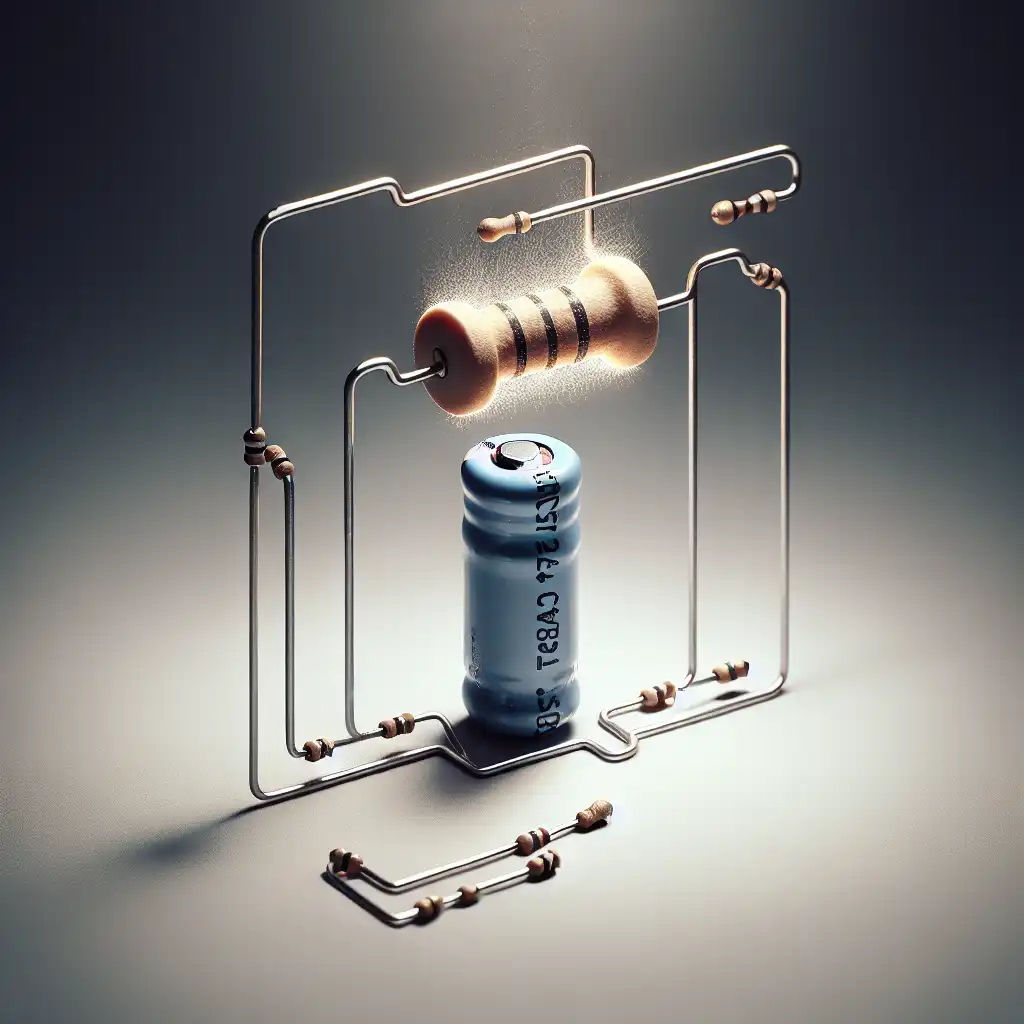
ˈbliːdər
A resistor connected across a capacitor in a power supply to discharge the capacitor when power is turned off.
You need to connect a bleeder across the capacitor to safely discharge it.
Impossible de charger l’audio. Réessayez plus tard.
The word 'bleeder' can be used to describe a person or thing that bleeds. It can also be used to refer to a medical condition in which a person bleeds excessively. This can happen due to an injury or a medical condition. In some contexts, 'bleeder' can also be used as an insult towards someone who is seen as weak or helpless. However, it is important to understand that using the word in this way is disrespectful and should be avoided.
However, nosebleed is a general term that describes any instance of bleeding from the nose, while bleeder specifically refers to a person who has a medical condition called hemophilia, where their blood does not clot properly and they may bleed easily from any part of their body.
Nosebleed can happen to anyone due to various reasons like dry air, injury, or high blood pressure, whereas bleeder is a term used to describe a person with a genetic medical condition.
Ouvrir le mot: Nosebleed →