polonaise
noun polonaise
ˌpɑːləˈneɪz
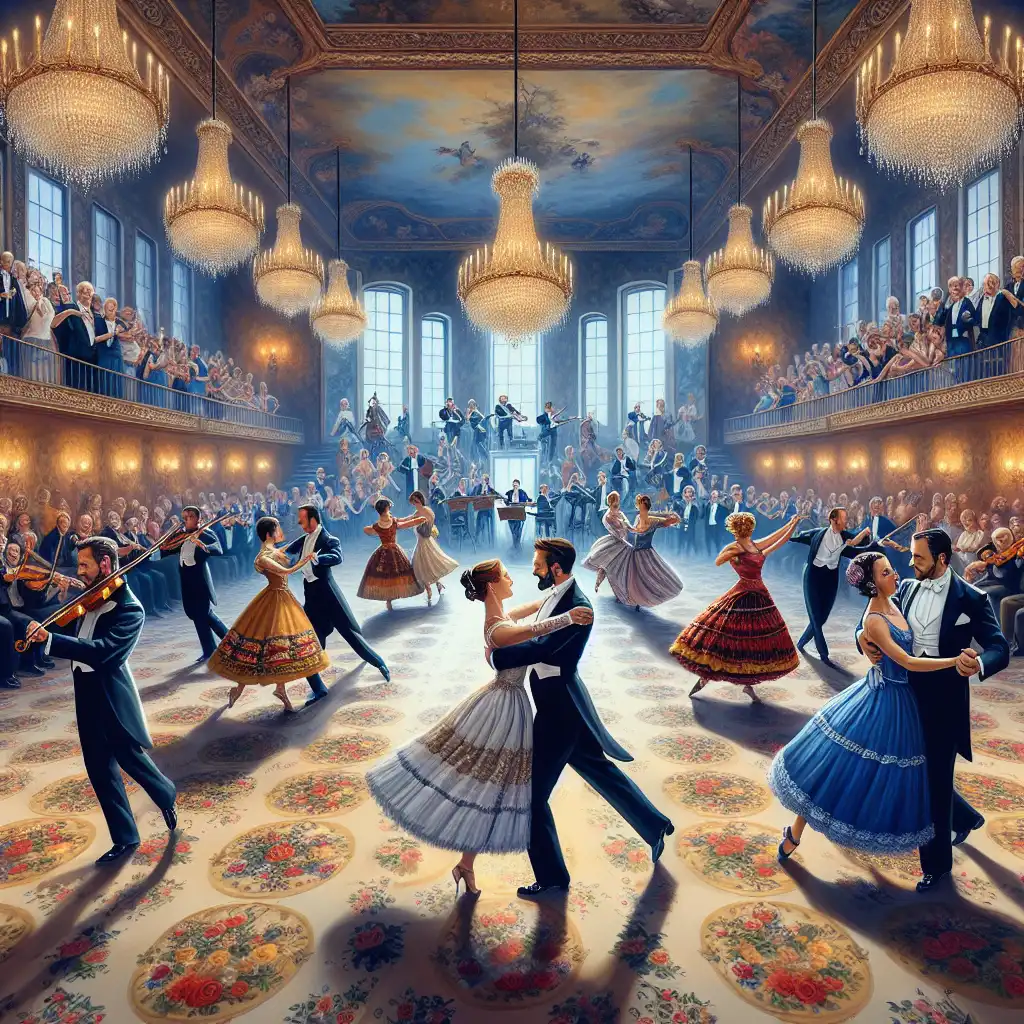
A slow dance of Polish origin in triple time, with a characteristic rhythm.
The orchestra played a polonaise to start the dance.
polonaise
ˌpɑːləˈneɪz
Đang tải…
ˌpɑːləˈneɪz
A slow dance of Polish origin in triple time, with a characteristic rhythm.
The orchestra played a polonaise to start the dance.

ˌpɑːləˈneɪz
A woman's dress with a tight bodice and an overskirt gathered up at the back.
Her elaborate polonaise drew everyone's attention at the party.
ˌpɑːləˈneɪz
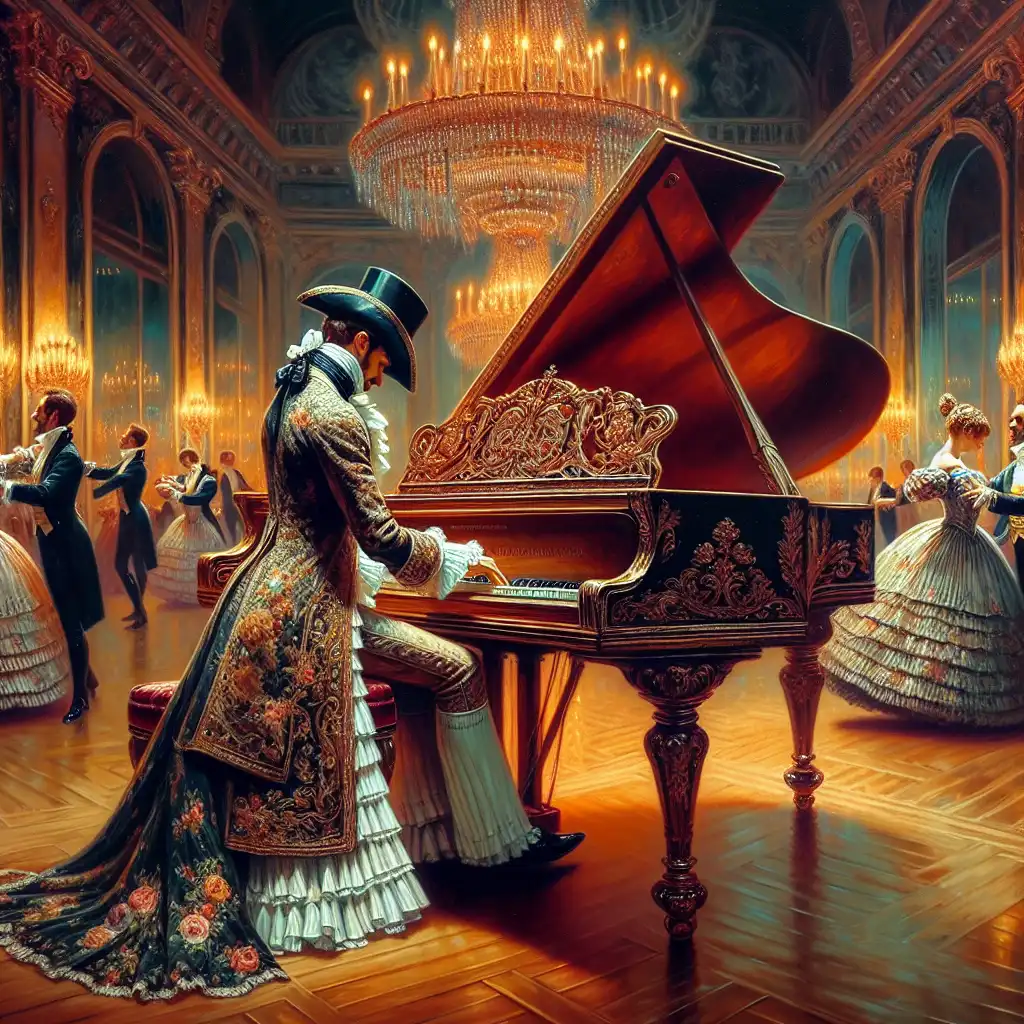
A music piece in the style of a polonaise, especially for the piano.
Frederic Chopin composed several beautiful polonaises.
Không tải được âm thanh. Vui lòng thử lại sau.
The word 'polonaise' is a type of dance that originated in Poland. It is often danced to classical music and involves graceful movements such as gliding, spinning, and bowing. The word can also refer to a style of music that is used for the dance. In modern times, the polonaise is mostly performed at formal events such as weddings and balls.
Dance is a general term for a variety of movements set to music, while polonaise specifically refers to a slow, stately dance with origins in Poland.
Polonaise is normally performed in formal settings such as balls and ceremonial events, whereas dancing is more commonly associated with informal or social gatherings such as parties or clubs.
Mở từ: Dance →