combustible
adjective combustible
kəmˈbʌstəbl
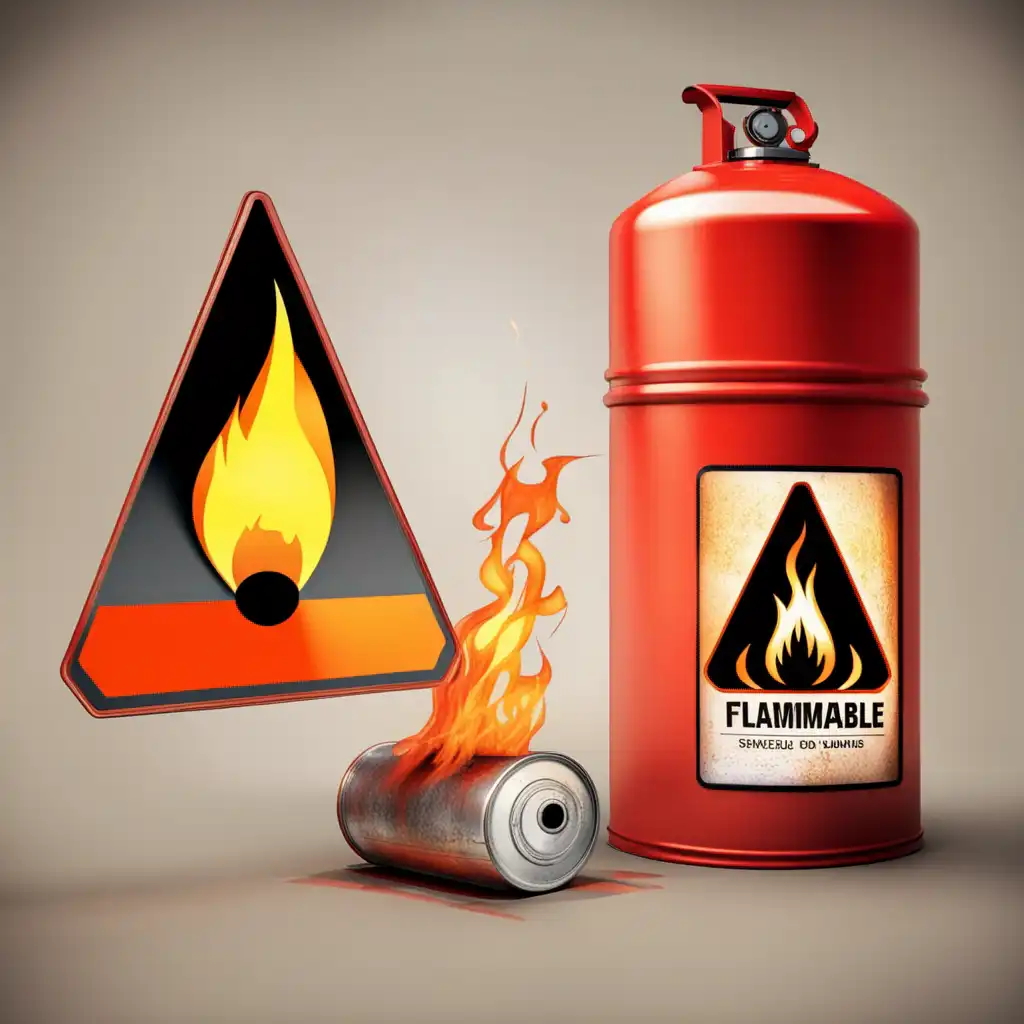
A material that can easily catch fire
Gasoline is a highly combustible substance
combustible
kəmˈbʌstəbl
불러오는 중…
kəmˈbʌstəbl
A material that can easily catch fire
Gasoline is a highly combustible substance
kəmˈbʌstəbl
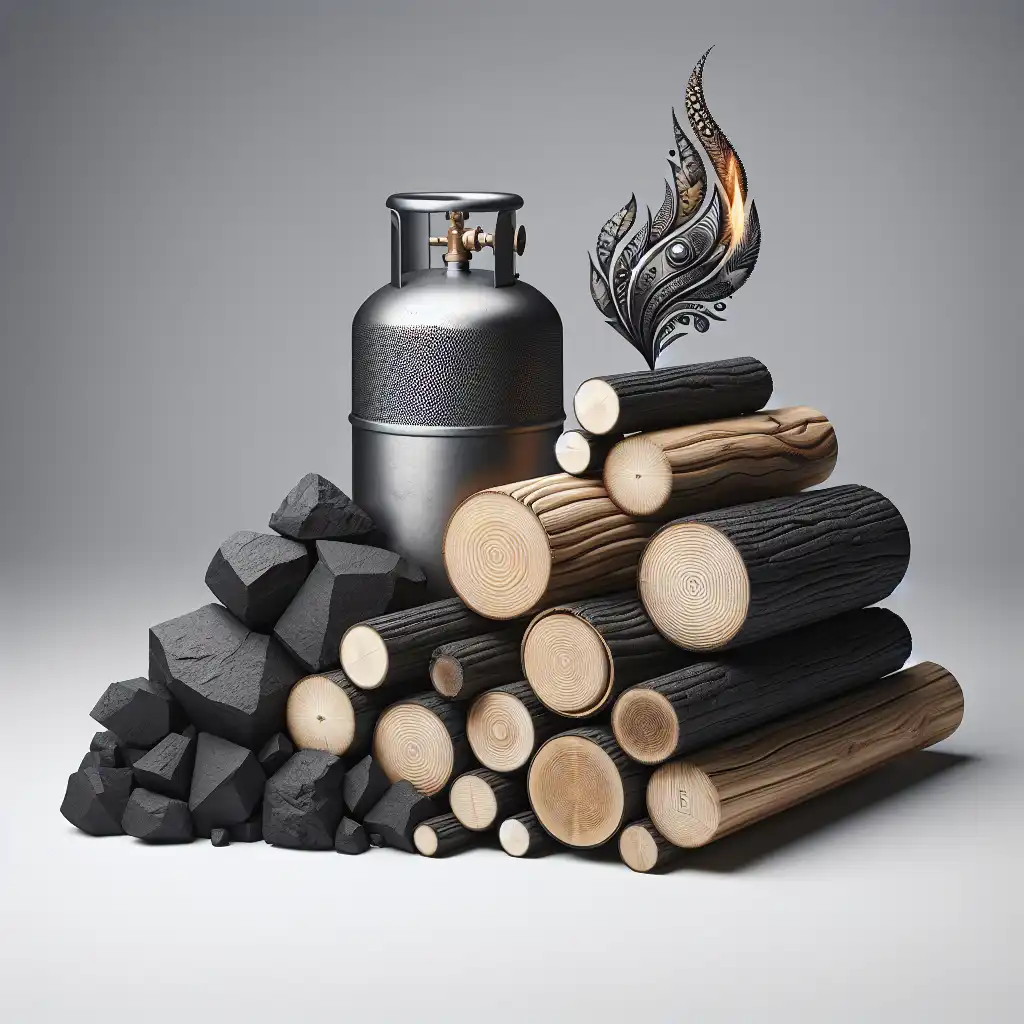
A substance that can be burnt to provide heat or power
Coal, wood and gas are all combustibles
오디오를 불러오지 못했어요. 잠시 후 다시 시도해 주세요.
The word 'combustible' is often used to describe things that can easily catch on fire or burn. It's a word that's commonly used in safety warnings, like on labels for chemicals or materials that can be dangerous. For example, gasoline is a very combustible substance that should be handled with caution. In general, if you see the word 'combustible,' it's a sign that you should be careful around whatever it's describing because it could potentially cause a fire or explosion.
Explosive refers to materials that can undergo a rapid chemical reaction that results in a sudden and violent release of energy.
This energy release can produce a shock wave, heat, and light. Explosive materials are often used for construction or demolition, but they can also be used as weapons.
Examples of explosive materials include dynamite, fireworks, and grenades.
Combustible materials can burn steadily while explosive materials undergo a sudden and violent release of energy. Combustible materials are often used as fuel, while explosive materials are used in construction, demolition, and as weapons.
단어 열기: Explosive →The words combustible and flammable both refer to materials that can catch fire easily.
However, flammable describes substances that can easily ignite and start burning quickly. Combustible, on the other hand, refers to materials that may take longer to ignite or burn more slowly.
For instance, gasoline is a flammable liquid that can quickly catch fire if exposed to a spark or flame, while wood is a combustible material that will eventually catch fire if exposed to enough heat.
The term flammable is used more frequently in warning labels and safety instructions to indicate a higher level of fire risk.
단어 열기: Flammable →Incendiary refers to something that is intended to start a fire or cause destruction. It is most commonly used to describe devices or materials that are specifically designed to start fires, such as certain types of bombs or flammable liquids used in arson attacks.
Combustible describes the tendency of a material to ignite and burn, while incendiary describes the intent behind something that is designed to start a fire or cause damage.
단어 열기: Incendiary →Both words mean the same thing - something that can catch on fire easily. The only difference is in the spelling. Combustible is more commonly used in technical or scientific contexts, while inflammable is more commonly used in general conversation.
It is important to note that inflammable might be mistaken as meaning not flammable since 'in' can mean 'not' as a prefix in some cases.
However, it is always better to use 'flammable' instead of inflammable to avoid any confusion.
단어 열기: Inflammable →Combustible and volatile both refer to a substance's potential to catch fire, but they have slightly different meanings.
Volatile means something that easily evaporates or vaporizes at room temperature and can quickly turn into a gas. This gas can be flammable, which means it can catch fire and explode easily.
For example, gasoline is a volatile liquid, because it evaporates easily and can catch fire easily too. This term is typically used to describe liquids or gases that have the potential to ignite or explode.
Combustible materials burn easily, while volatile materials can evaporate easily and catch fire or explode.
단어 열기: Volatile →What triggers a chemical...
YouTube에서 보기 ↗I support gun control. But speaking honestly about the combustible mix of race and guns may be more important to stopping the slaughter in minority communities than any new gun-control laws.
Science can answer moral...
YouTube에서 보기 ↗We have also arranged things so that almost no one understands science and technology. This is a prescription for disaster. We might get away with it for a while, but sooner or later this combustible mixture of ignorance and power is going to blow up in our faces.
Pilot Program %\PIPE% The...
YouTube에서 보기 ↗Most of us were probably less than immaculately honest as teenagers; it's practically encoded into adolescence that you savor your secrets, dress in disguise, carve out some space for experiments and accidents and all the combustible lab work of becoming who you are.
How to rebuild the world...
YouTube에서 보기 ↗Now and always, hard-line policy and those who embrace it are vessels for darker forces that are at once self-cannibalizing and combustible. No good can come of them. They are unsustainable because their sense of righteousness denies human worth.
Fuel cell vehicles run on clean-burning hydrogen and are three times more efficient than the traditional combustible engine.
When you're dealing in situations that are uncontrollable and combustible, you try to stabilize the situation as quickly as you can and then work toward and work out toward democratic reform.
From a very young age, I liked to take apart things. All of my Christmas gifts would wind up in a million pieces. I actually recall taking apart my dad's lawnmower three times to understand how combustible engines work.
Patriotism. Combustible rubbish ready to the torch of any one ambitious to illuminate his name.