ventricle
noun ventricle
ˈventrɪkl
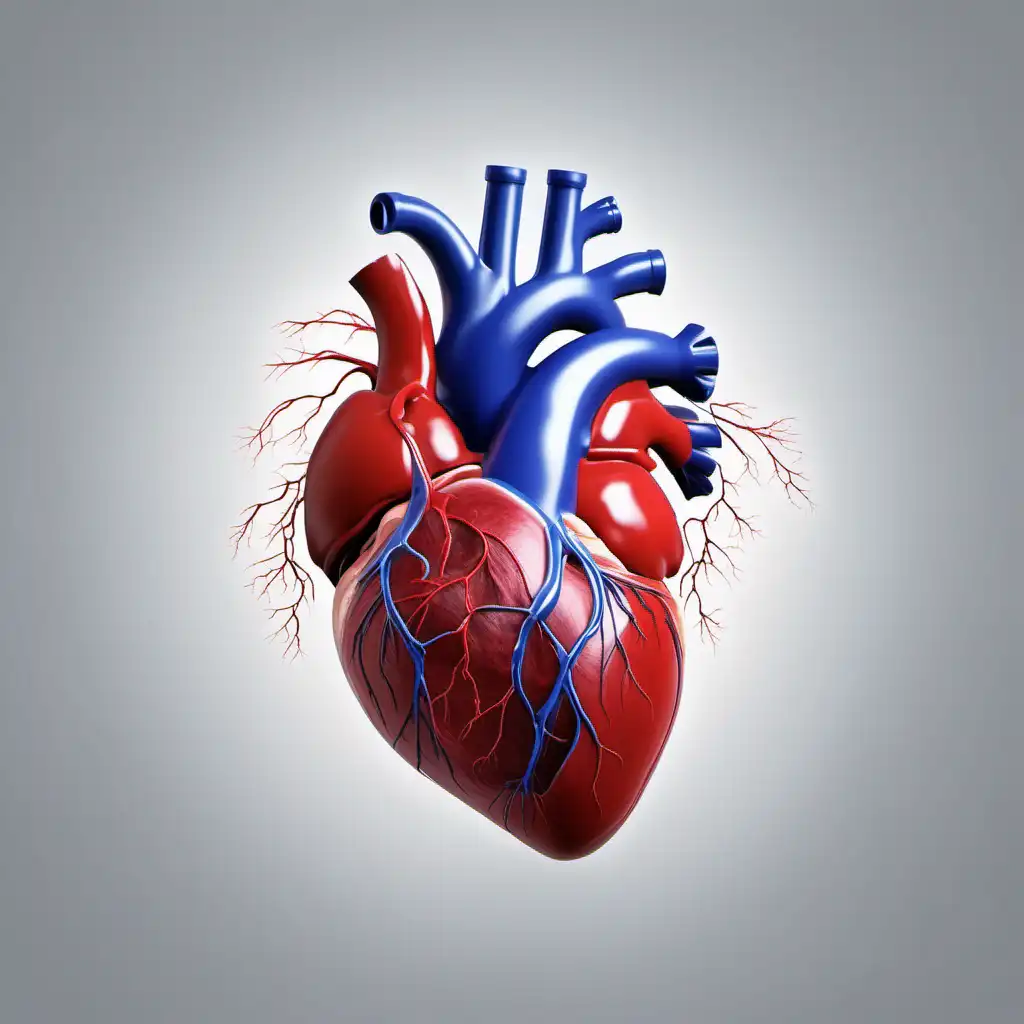
One of the two main chambers in the heart that pump blood out to the body.
The left ventricle pumps oxygen-rich blood to the rest of the body.
ventricle
ˈventrɪkl
불러오는 중…
ˈventrɪkl
One of the two main chambers in the heart that pump blood out to the body.
The left ventricle pumps oxygen-rich blood to the rest of the body.

ˈventrɪkl
In the brain, it is one of the communicating cavities filled with cerebrospinal fluid.
The lateral ventricles are the two largest cavities of the ventricular system of the human brain.
오디오를 불러오지 못했어요. 잠시 후 다시 시도해 주세요.
A ventricle is a part of the heart or brain that holds fluid. When we talk about the heart, there are two ventricles that are responsible for pumping blood throughout the body. When we talk about the brain, there are also ventricles that hold cerebrospinal fluid, which protects and supports the brain. The word ventricle is commonly used in medical and scientific contexts to describe these parts of the body.
Cavity refers to any hollow space within the body, while ventricle specifically refers to a chamber within the heart or brain.
Cavity can refer to any hollow space, such as the abdominal cavity, which contains organs like the stomach and intestines.
Cavity is a general term while ventricle is more specific to certain organs.
단어 열기: Cavity →Chamber and ventricle are both words used to describe parts of the heart. The heart has four chambers: the left and right atria and the left and right ventricles.
The atria are the upper chambers and the ventricles are the lower chambers.
To simplify it: a ventricle is a specific type of chamber in the heart that pumps blood out, while chamber is a more general term for any of the four spaces in the heart.
단어 열기: Chamber →How the heart actually...
YouTube에서 보기 ↗Heart 101 %\PIPE% National...
YouTube에서 보기 ↗Why helmets don't...
YouTube에서 보기 ↗