
disown
verb disown
dɪsˈəʊn
To refuse to accept or admit as belonging or related to oneself
He disowned his son for marrying against his wishes.
disown
dɪsˈəʊn
Loading…
dɪsˈəʊn
To refuse to accept or admit as belonging or related to oneself
He disowned his son for marrying against his wishes.
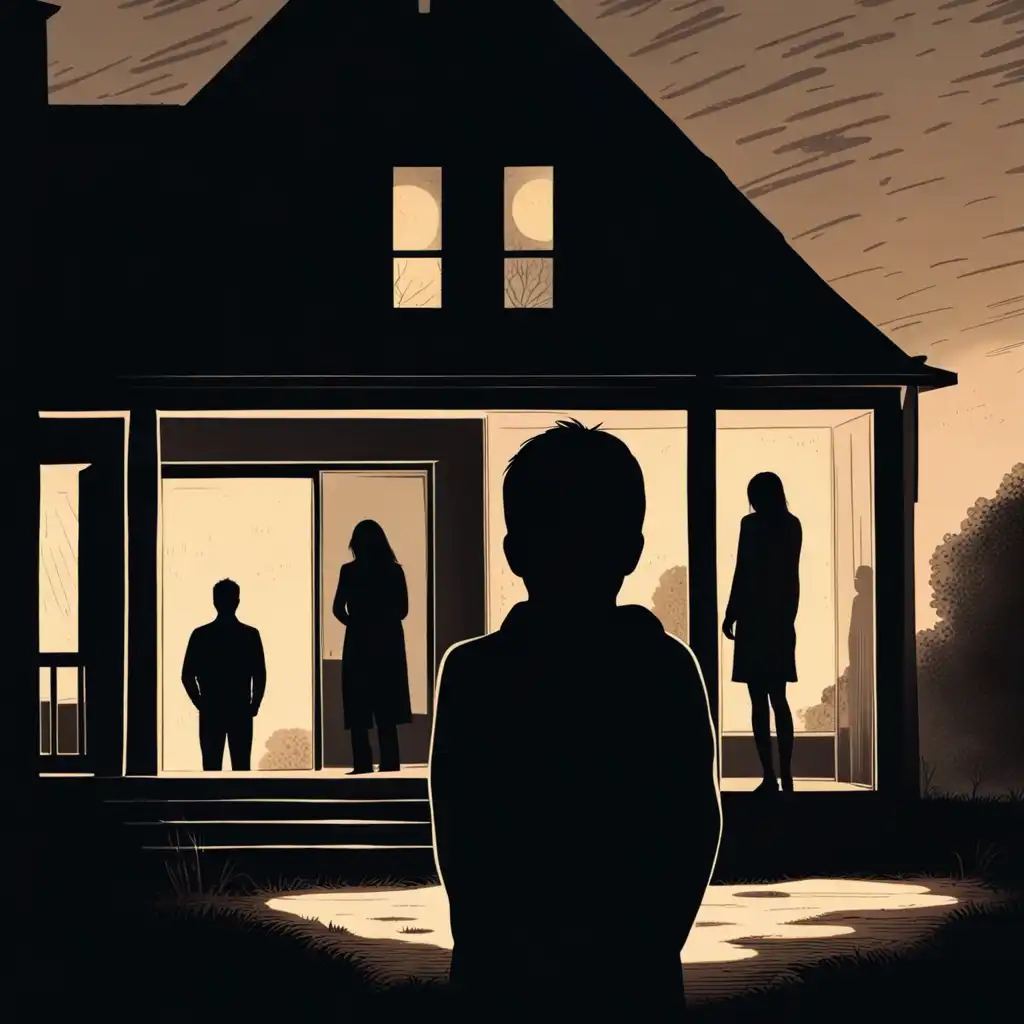
dɪsˈəʊn
To reject someone, and stop having a relationship with them
After I went to jail, my family completely disowned me.
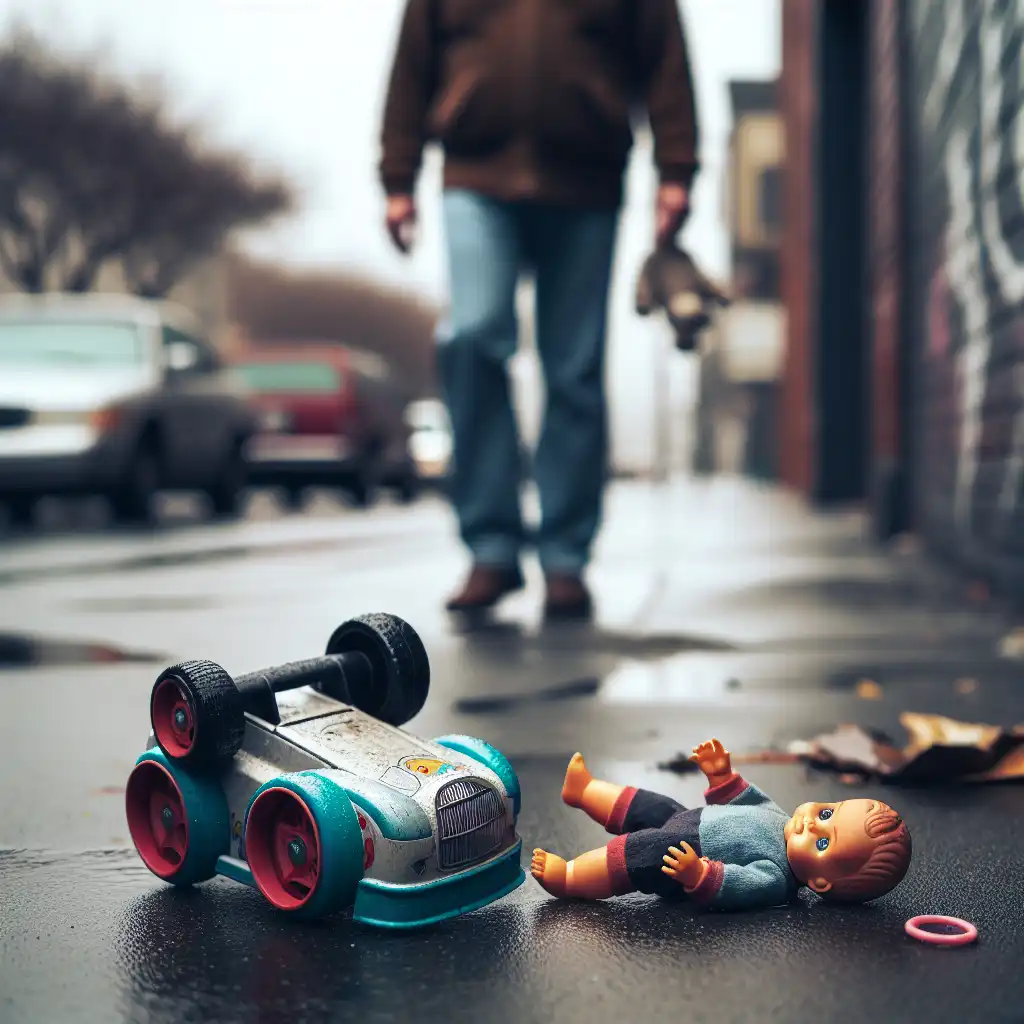
dɪsˈəʊn
To not take responsibility for something
The company has tried to disown responsibility for the accident.
Audio could not be loaded. Please try again later.
The word 'disown' is used when someone chooses to no longer accept or acknowledge a relationship, connection, or responsibility with someone or something. It is usually used when someone wants to cut off ties with a family member or friend, or when someone does not want to be associated with a particular group or organization anymore. For example, if a parent decides to disown their child, it means they no longer want to be their parent and will not provide them with love, support, or financial assistance. Alternatively, if someone disowns their country or government, they are essentially saying they do not want to be part of it anymore.
Abjure means to formally reject or give up something, often a belief or allegiance.
Abjure is used when someone officially renounces something they previously believed in, while disown is used when someone rejects their connection to something or someone.
Open word: Abjure →Alienate means to make someone feel isolated or estranged from a group or a person. For example, if someone is constantly being criticized by their colleagues, they may start to feel alienated from the group.
Alienate means to distance someone emotionally, while disown means to cut someone off completely. Alienate is applicable in situations where there is a growing emotional gap between people or groups, while disown is applicable in situations where a person or thing no longer meets one's expectations or standards.
Open word: Alienate →Cast off means to reject or get rid of something, such as an idea, object, or person. It implies a sense of detachment, but not necessarily a complete separation or disownment.
For example, a person might cast off an old pair of shoes, or a company might cast off an unprofitable business unit.
Cast off is applicable when getting rid of something, while disown is applicable when severing ties with something or someone.
Open word: Cast off →Both disavow and disown mean to reject or renounce something or someone.
However, disavow is typically used in a more official or public context, such as when a government disavows any connection to a particular group or action.
For example, if a political party learns that some of its members committed a crime, they may disavow any knowledge or involvement in the situation.
Open word: Disavow →Disinherit means to prevent someone from inheriting your property after you die (usually because they have done something wrong).
Disinherit is about property and money while disown is about relationship and family.
Open word: Disinherit →Reject means to refuse or decline something or someone. This is more of a personal decision and does not necessarily involve a legal process or cutting off all ties.
Rejecting someone can happen for many reasons, such as not liking their personality or behavior, or not agreeing with their opinions or beliefs.
In summary, disowning is a formal and legal process of severing all ties with someone, while rejecting is a personal decision to refuse or decline someone or something.
Open word: Reject →Renounce means to publicly declare that you no longer support or believe in something. For example, a person may renounce their allegiance to their country or renounce their former religion.
Disown is used when someone is rejected by a group or family, and renounce is used when someone publicly declares that they no longer support something.
Open word: Renounce →Repudiate means to reject or refuse to accept something, usually in the sense of rejecting an idea or belief.
For example, a politician may repudiate a statement they made in the past that they no longer agree with.
Disown is used to detach oneself from a person or thing, while repudiate is used to reject a specific idea or belief.
Open word: Repudiate →how thick this bone is it's about a millimeter thick forms the side of the cheek of this dinosaur now here's a look at a reconstruction of the tooth Batteries I found a bone that was so bizarre initially when we had begun to clean it off in the lab I disowned it I said all the rest of the bones belong to
Watch on YouTube ↗The biggest rebellion I could've ever had with my father would be to work in a bank. He would have disowned me. As long as I was doing something where I didn't have to wear a tie, I was good.
very internationally. His parents disowned him and accused him of bringing great shame to the royal family. We sat down with Prince Manvendra and talked to him about why he decided to come out so very publicly. Here he Prince I felt there was a lot of need
Watch on YouTube ↗I don't disown feminism, but I don't believe in such labels.
that he was disowned by his father but my educated mother became a teacher there she is she retired two years ago only to turn our house into a school for girls and woman in our neighborhood and
Watch on YouTube ↗If I dyed my hair, my mother would actually disown me.
There's actually 14 in our family, but we disowned the others.
People love the idea of a good girl gone bad, thinking that my parents were so strict and disowned me, but that actually wasn't the case. Even though they don't necessarily agree with some of the things I do, they love me as their daughter. That's always been their perspective.
When I look back, there isn't a single film that I would disown becaus,e with every film, I've learnt a lot.
If an artist I liked disowned songs that meant a lot to me, I would be pretty hurt by that.
I don't like hobbies. I read and travel and see my friends before they disown me.
I have children so I couldn't shave it off; my dad shaved his beard off once and we all disowned him. My wife's dad shaved his off and they freaked out. I think if you have kids, getting rid of a beard is bad.
I see some artists who disown songs they love when they don't chart well. Would you do that to your children? Trust me, children ain't gonna do all the right things, so are you gonna disown them or embrace them and say, 'No, you're still my child. You didn't go out and do the right thing, but I'll still love you in the same way?