untoward
adjective untoward
ʌnˈtɔːrd
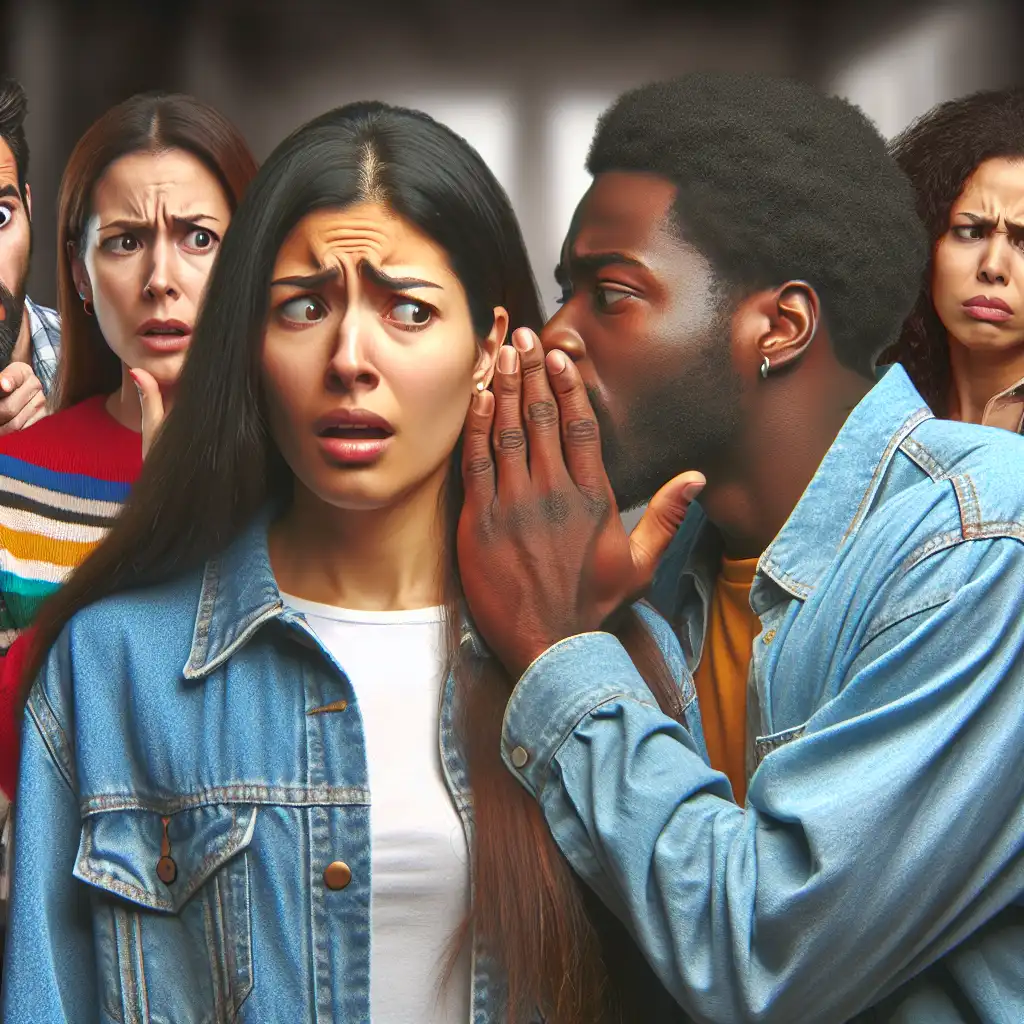
Unexpected and not convenient or inappropriate.
He made an untoward comment about her appearance that made her feel uncomfortable.
untoward
ʌnˈtɔːrd
लोड हो रहा है…
ʌnˈtɔːrd
Unexpected and not convenient or inappropriate.
He made an untoward comment about her appearance that made her feel uncomfortable.
ʌnˈtɔːrd
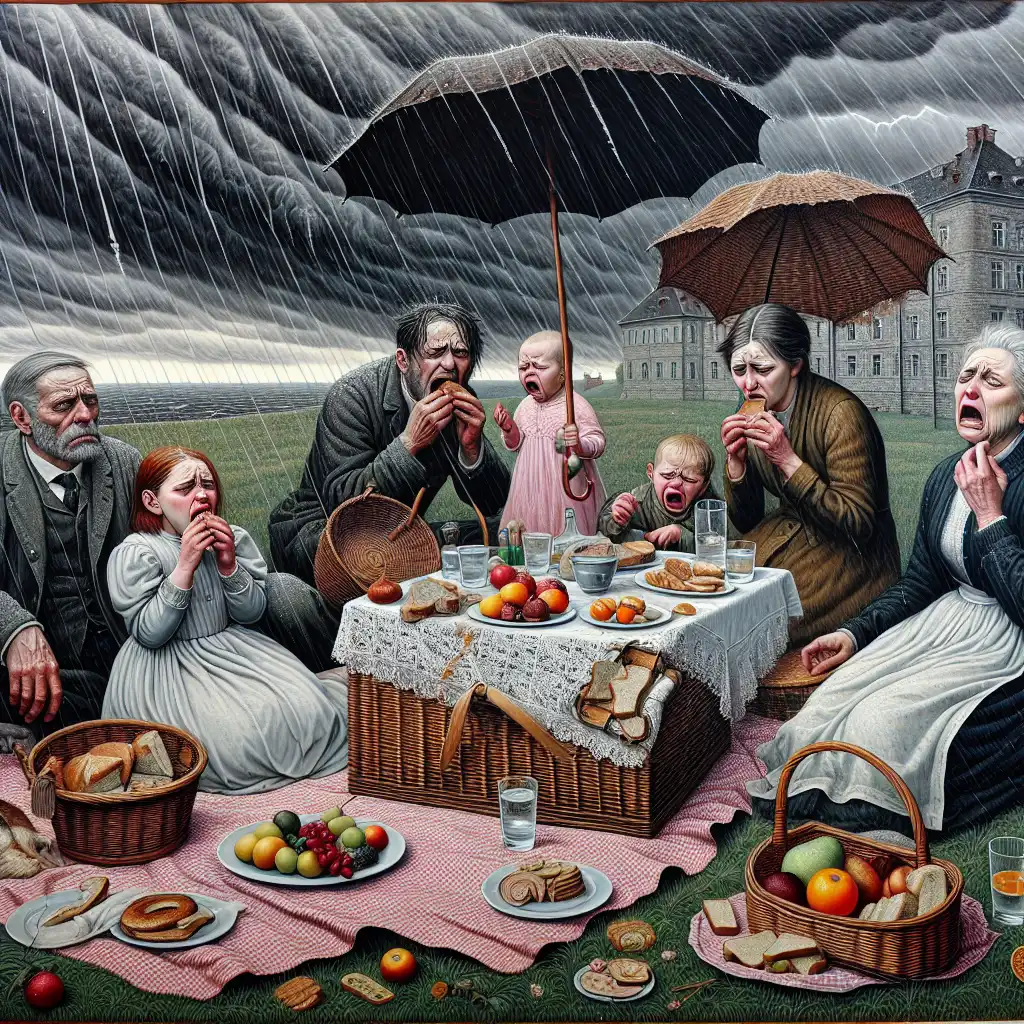
Unfortunate or bad.
The picnic was ruined by an untoward turn of the weather.
ऑडियो लोड नहीं हो सका। कृपया बाद में फिर कोशिश करें।
The word 'untoward' is often used to describe a situation or behavior that is unexpected, unpleasant, or unfavorable. It can be used to describe something that is not going or did not go as planned, or something that is inappropriate or inappropriate. For example, an untoward incident could refer to a car accident or a person behaving in a rude or aggressive manner. In everyday language, it can be used to indicate a situation that is unfortunate or unpleasant.
Both adverse and untoward mean something negative or unfavorable.
However, adverse refers to something that goes against you or works against you. For example, adverse weather conditions can make it difficult to travel.
Adverse refers to things that are against you, while untoward refers to things that are unexpected or inappropriate.
शब्द खोलें: Adverse →Anticipate means to expect or predict something before it happens. It is applicable in situations where one can predict what is going to happen next based on past experiences or knowledge.
For example: "I anticipate that it will rain tomorrow based on the forecast."
Anticipate refers to predicting something while untoward refers to an unexpected and unpleasant event.
शब्द खोलें: Anticipate →Difficult refers to something that is hard to accomplish or understand, or something that requires a lot of effort or skill.
For example, solving a complex math problem can be difficult.
Difficult describes challenges that can be overcome with effort, while untoward refers to unexpected or unwanted events or actions.
शब्द खोलें: Difficult →Expect means to anticipate something to happen or to believe that something will happen. For example, if you are expecting a package in the mail, it means you believe it will arrive.
Untoward means unexpected or unfavorable. For example, if a situation takes an untoward turn, it means it took an unexpected and undesirable direction.
To summarize, expect is used when you anticipate or believe something will happen, while untoward describes something unexpected and unfavorable that happened.
शब्द खोलें: Expect →Inconvenient refers to something that causes a minor inconvenience or discomfort, such as a delayed flight or a lost phone.
शब्द खोलें: Inconvenient →Troublesome refers to something that causes difficulty or annoyance. For example, a troublesome child might be one who misbehaves often and is hard to control.
Troublesome refers to something that is causing problems or difficulty, while untoward refers to something that is unexpected or unwanted.
शब्द खोलें: Troublesome →Unforeseen means something that was not anticipated or expected to happen.
So, while both words refer to unexpected events, unforeseen does not carry a negative connotation, whereas untoward generally does.
शब्द खोलें: Unforeseen →Unfortunate refers to something that is unlucky or unpleasant.
It is used for situations that are unfortunate but not necessarily negative or harmful to anyone. For example, a student may be unfortunate to have their exam scheduled on their birthday.
Unfortunate is used for situations that are unlucky but not necessarily harmful, while untoward is used for situations that are unexpected and potentially harmful.
शब्द खोलें: Unfortunate →lick the wounds it wasn't received very well because it was very painful but they were still willing to do it and it'll probably happen but it it looked very very painful that I to me I figure you thought so too at the time but I'm not sure that's nothing untoward has happened to it and it'll be fine it's
YouTube पर देखें ↗Other kids would sneak out of the house to go to parties and do untoward things. I was sneaking out to do standup downtown. It paid off.
If somebody were to feel the necessity to reduce themselves to a desperate state to achieve what they perceive to be their goals in life, people who work in fashion, who are models or photographers, shouldn't be judged because of untoward acts of others. As the saying goes, it takes two to tango.
I have a shelf of comfort books, which I read when the world closes in on me or something untoward happens.
I have my private security and they can look after me, but who will control the crowd? We are witnessing huge crowds during campaigning. If something untoward happens, then what?
One should be alert and know how to defend oneself in case something untoward happens.
Nothing is more untoward than a grown man tasking another with snapping a pic expressly so he can 'flex the 'fit.' It's tacky -self-aggrandizing - and speaks to an existential neediness typically reserved for failed actresses and phenomenally successful rappers.
I have toured New Zealand before and know they love the game, and they are so caring and loving, so I don't expect anything untoward from them.
I've always been a family entertainer. Every show I have done has been suitable for any age - parents never need to worry that, if they pop out of the room, I'll say anything untoward.
In documentary, mostly, people are going to say untoward things; people are going to have gnarly beliefs. People aren't perfect.
The old Greeks dwelt on the tendency of human affairs to drift downwards irresistibly to unhappiness. Guilt - that is, untoward and often involuntary actions - pulls generation after generation heavily as lead down, down, down.